In brief
Physicist Henry Legg argues Microsoft has not demonstrated a topological qubit.
The critique targets the technology underpinning Microsoft's recently announced Majorana 2 chip.
Microsoft rejected the claims and defended its results in a formal response.
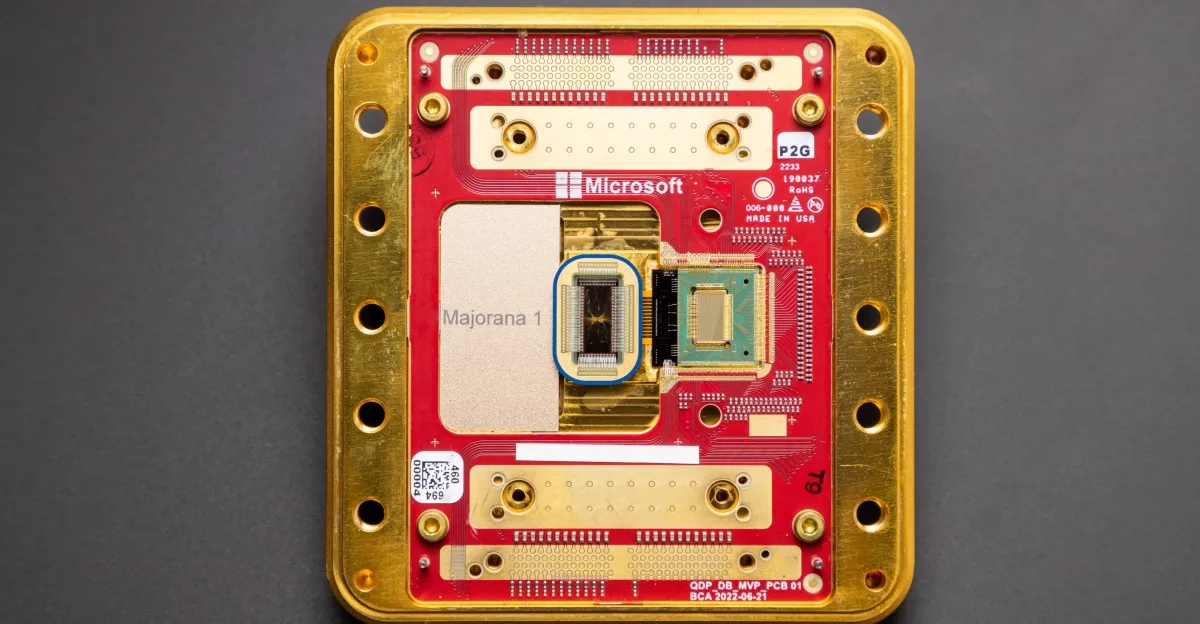
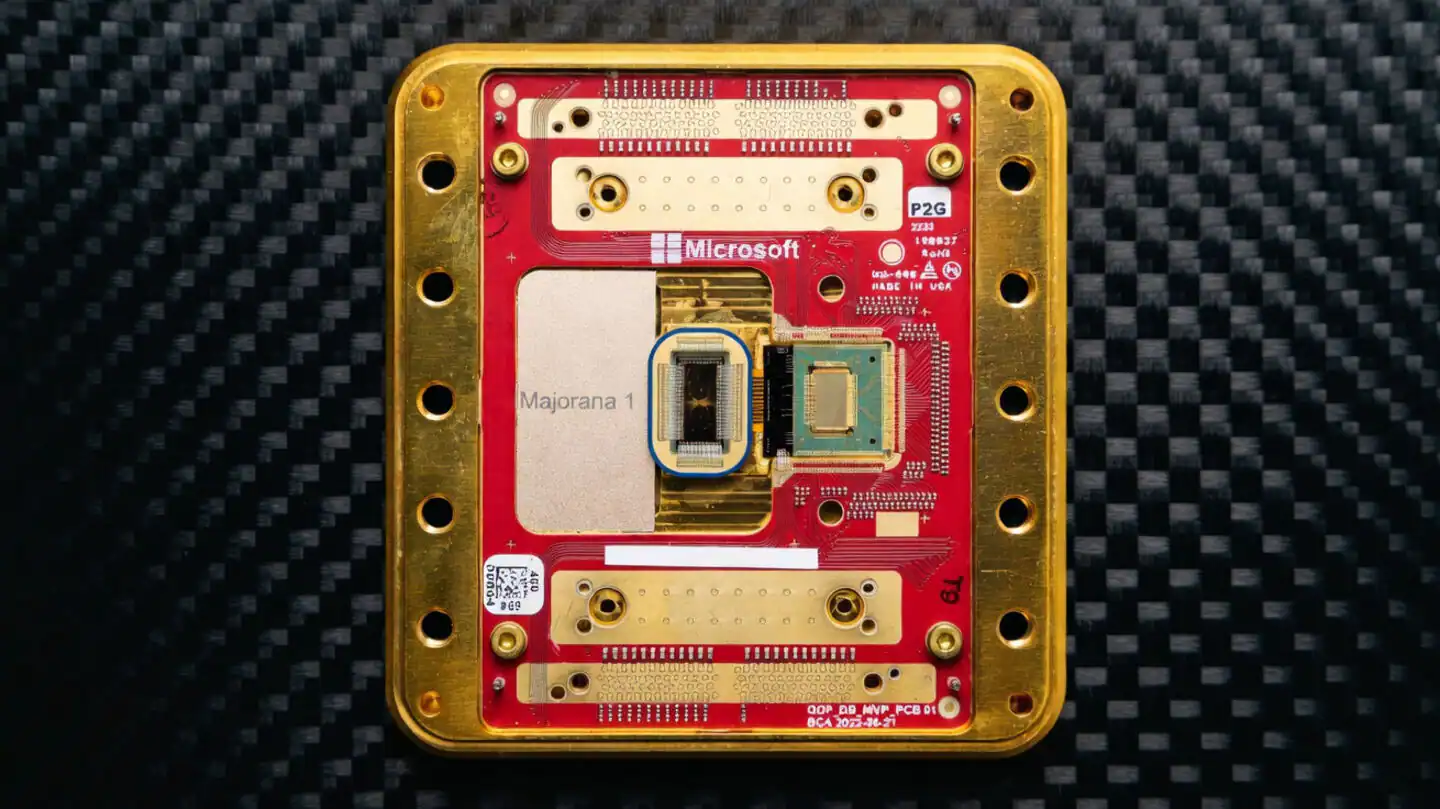
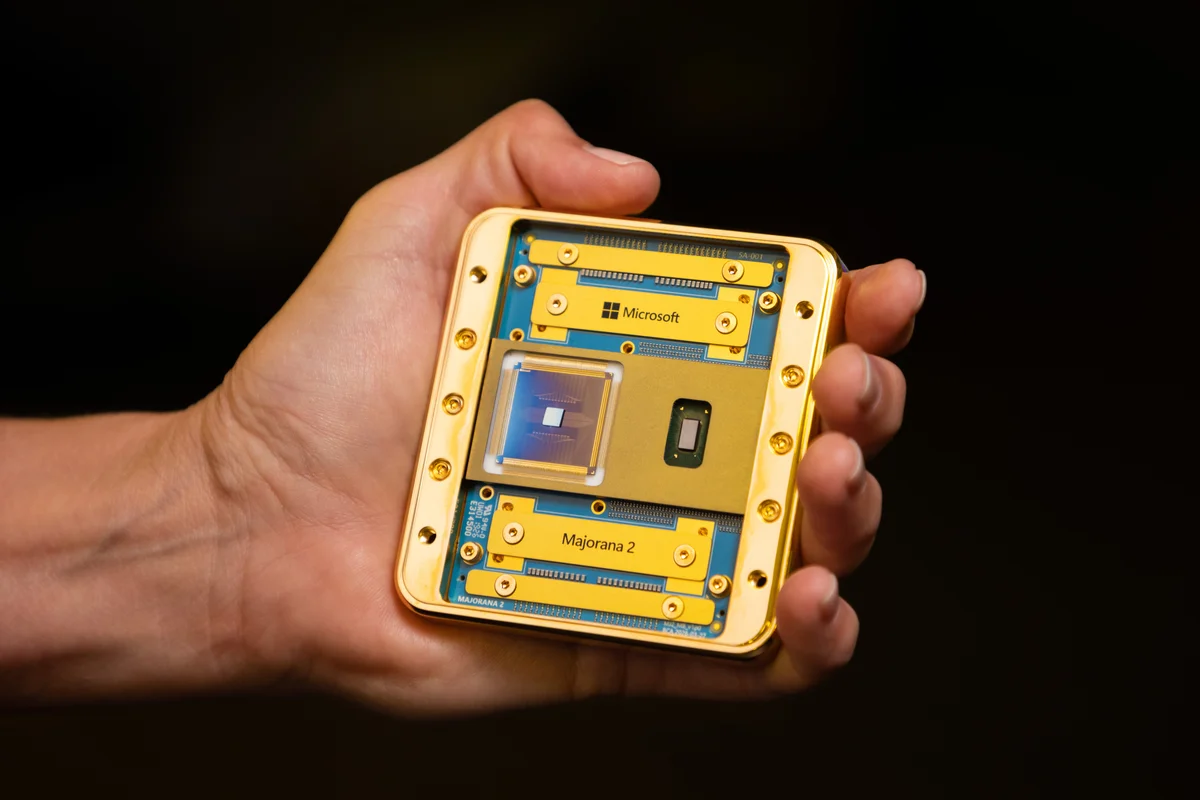
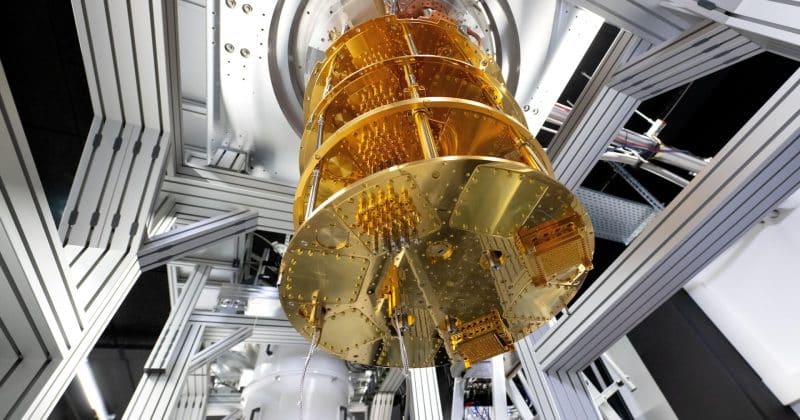
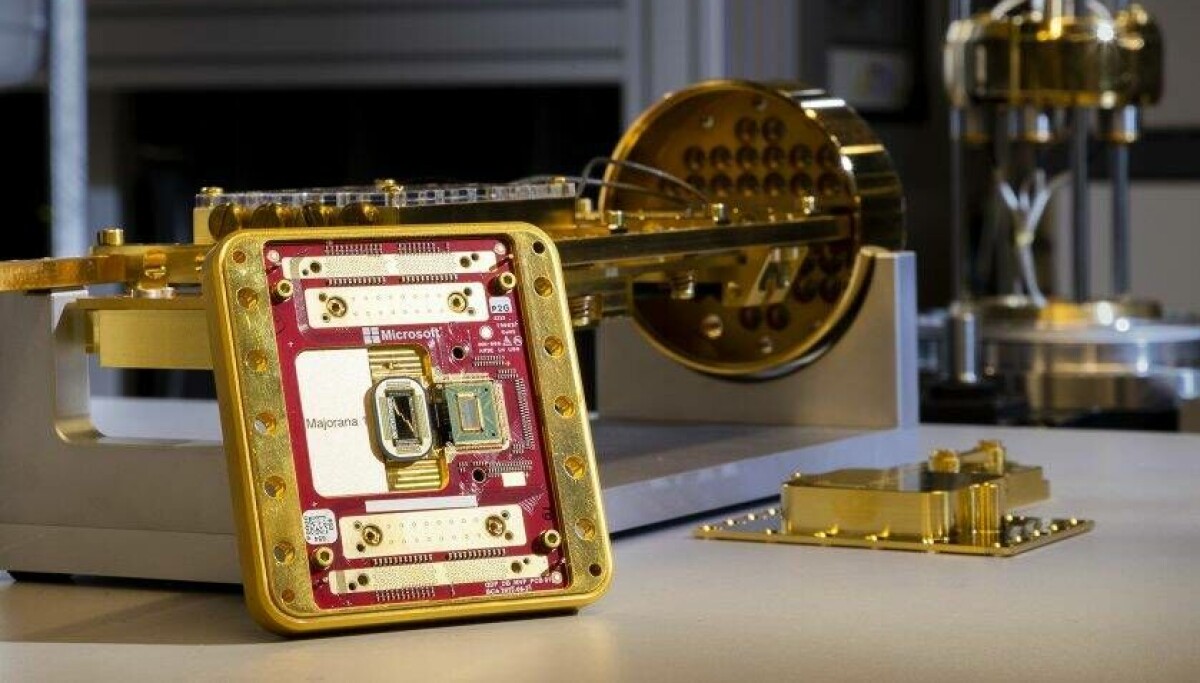
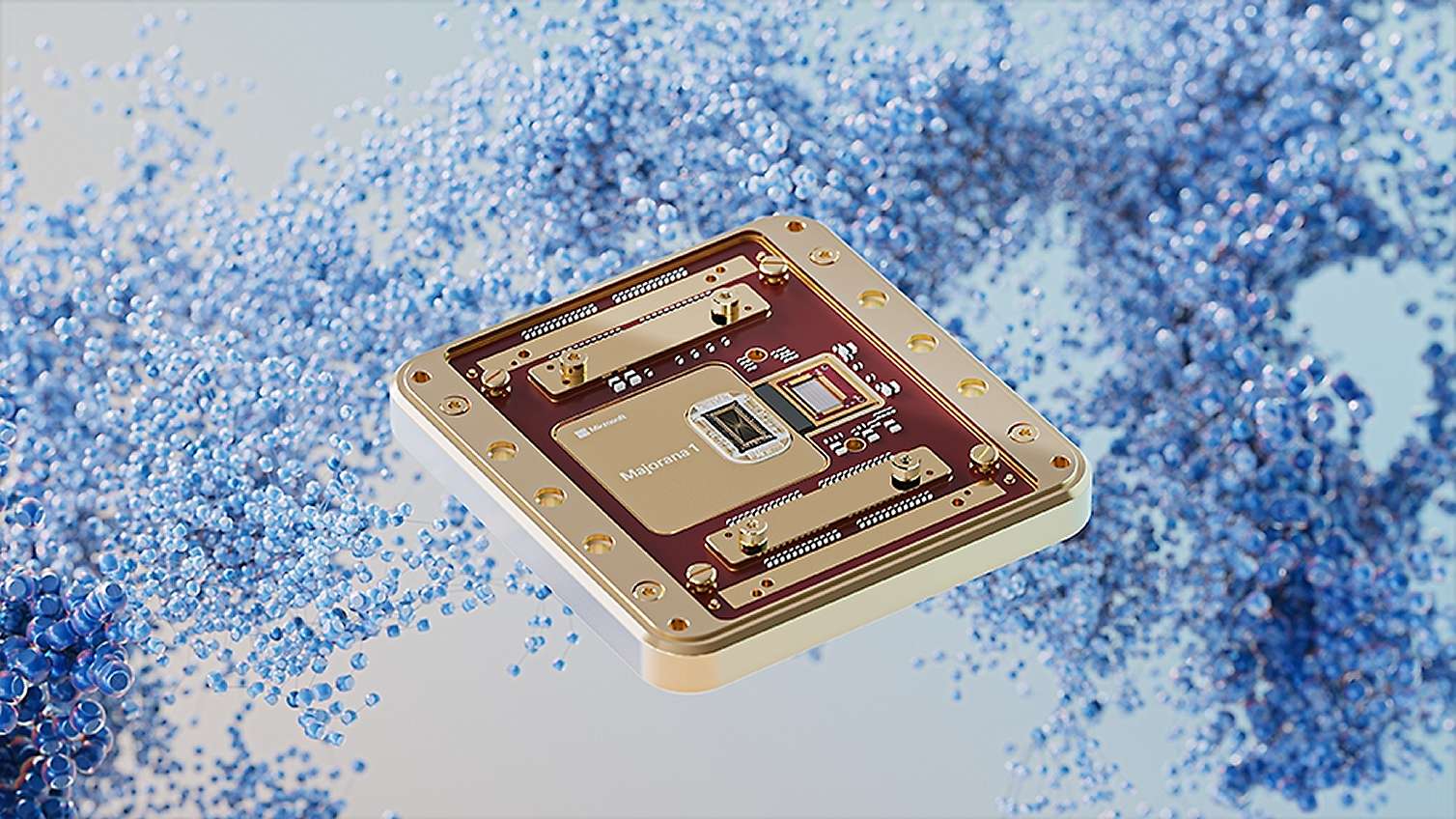
Weeks after Microsoft unveiled Majorana 2, a quantum chip it said was 1,000 times more reliable than its predecessor and a major step toward practical quantum computing by 2029, a leading researcher is challenging the company's claims.In a commentary published Wednesday in Nature, University of St Andrews physicist Henry Legg argued Microsoft has failed to demonstrate the existence of a topological qubit, a theoretical type of quantum bit that could be more resistant to errors than conventional quantum computing approaches.“My critique exposing flawed tune-up procedures, code errors, and omitted data behind Microsoft's 'breakthrough’ quantum computing claims is published today in Nature,” Legg wrote on BlueSky. “In short: Microsoft haven't demonstrated the basic physics needed for even a single topological qubit.”Legg's commentary responds to a 2025 paper published in Nature by Microsoft Quantum researchers describing evidence for the company's topological qubit. According to Legg, the signals Microsoft attributes to the device could instead be experimental noise.“The detection of a topographical superconducting phase–the basis of proposed topological qubits–is notoriously difficult because trivial states can mimic the signatures expected from a topological superconductor,” Legg wrote.Microsoft said Majorana 2 can keep quantum information stable for an average of 20 seconds, with some qubits lasting up to a minute. The company said AI helped speed development by identifying promising materials, automating tests, and improving manufacturing. The chip relies on the same topological qubit technology now being questioned by critics. Microsoft argues the approach could produce more reliable quantum computers by reducing the errors that plague today's systems.Legg argued that previously unpublished transport data underlying Microsoft's results failed to show clear evidence of the superconducting state required to support the company's topological qubit claim. Instead, he said the measurements appeared more consistent with alternative explanations, including quantum dot effects.Microsoft pushed back on Legg's conclusions."We stand by our results and our roadmap," Chetan Nayak, Microsoft's Technical Fellow and Corporate Vice President for Quantum Hardware, told Scientific American. Nayak pointed to Microsoft's advancement into the final phase of DARPA's Quantum Benchmarking Initiative, which he said followed independent evaluation of both public and proprietary results. “Skepticism and rigor are hallmarks of the scientific process, which we appreciate and have supported from various academics,” he added.Microsoft also published a formal response in Nature on Wednesday, arguing that its measurements support the conclusion that it has produced a topological qubit. The company said the stable signals observed in its experiments are consistent with a topological state and would be unlikely to appear if the system were merely exhibiting noise or behaving as a gapless state, as Legg suggests.The debate arrives as the cryptocurrency industry races to prepare for "Q-Day," the point at which a quantum computer becomes powerful enough to break widely used public-key cryptography.Bitcoin is considered particularly vulnerable because a quantum attacker could potentially derive private keys from exposed public keys and steal funds. Legg's critique does not rule out that future, but it does challenge the evidence Microsoft cites for reaching it.Daily Debrief NewsletterStart every day with the top news stories right now, plus original features, a podcast, videos and more.