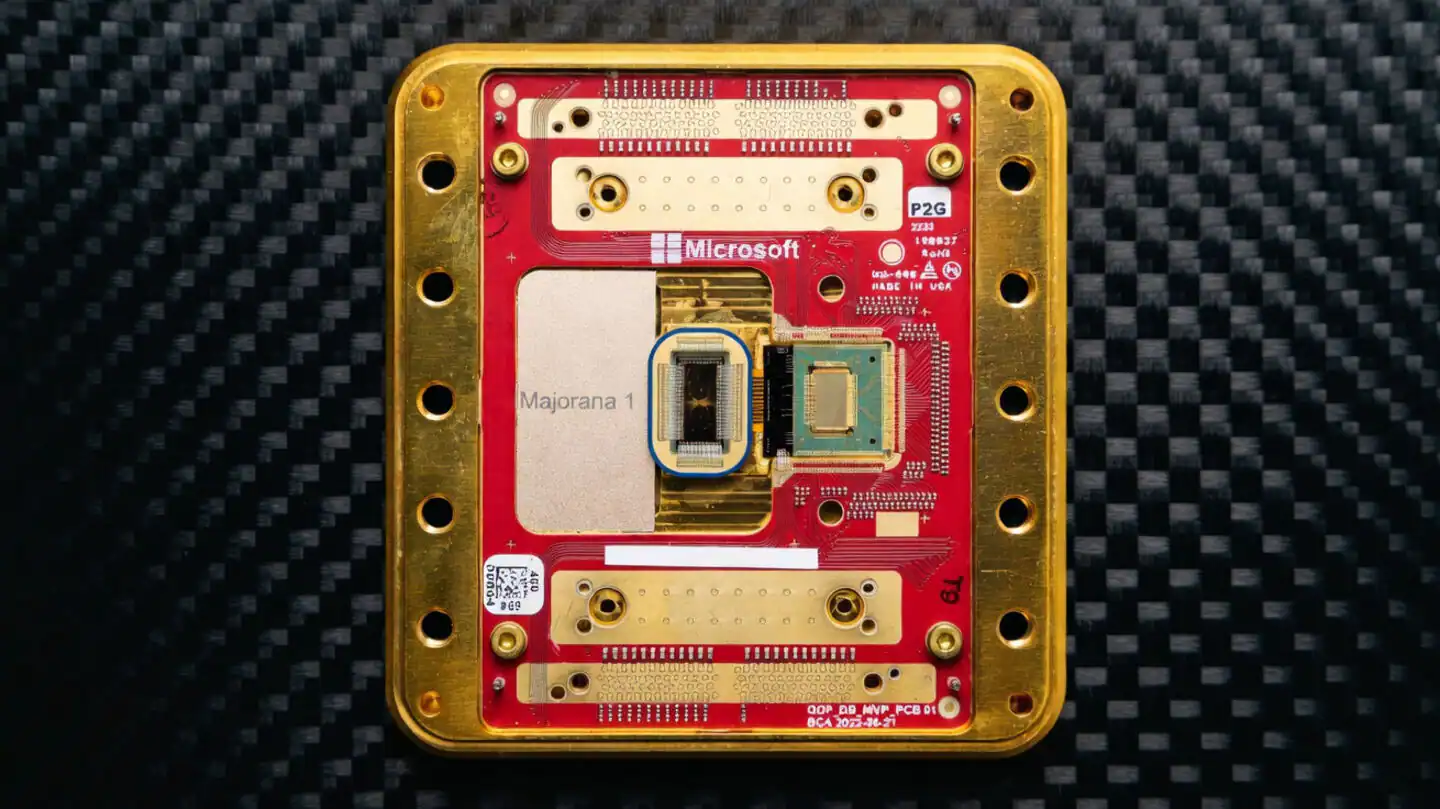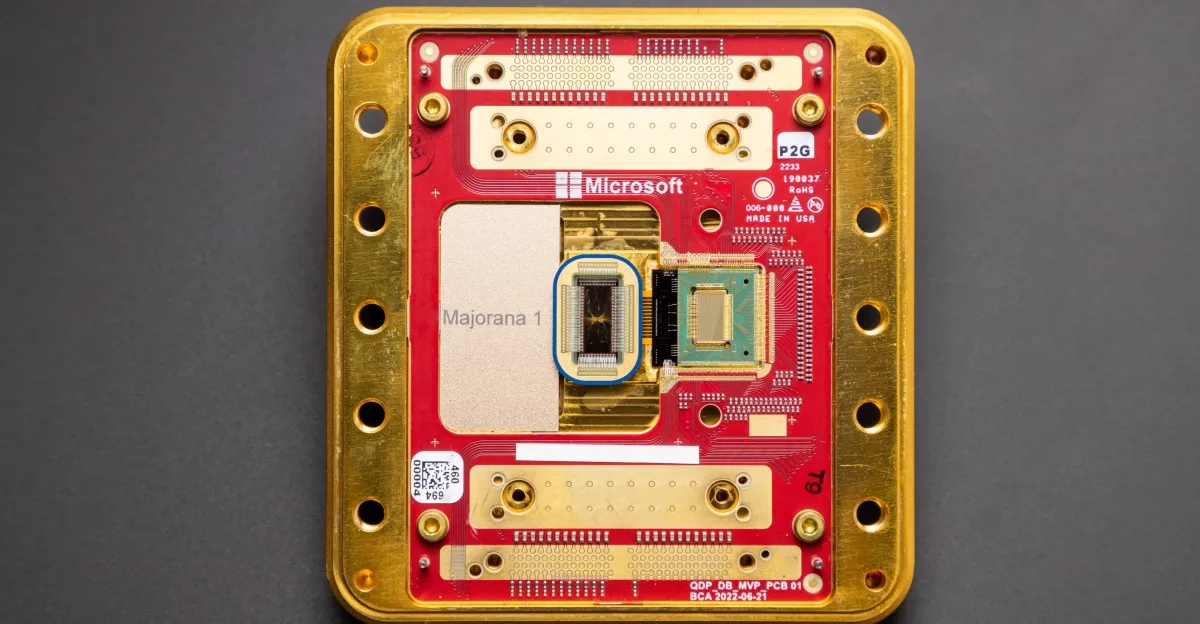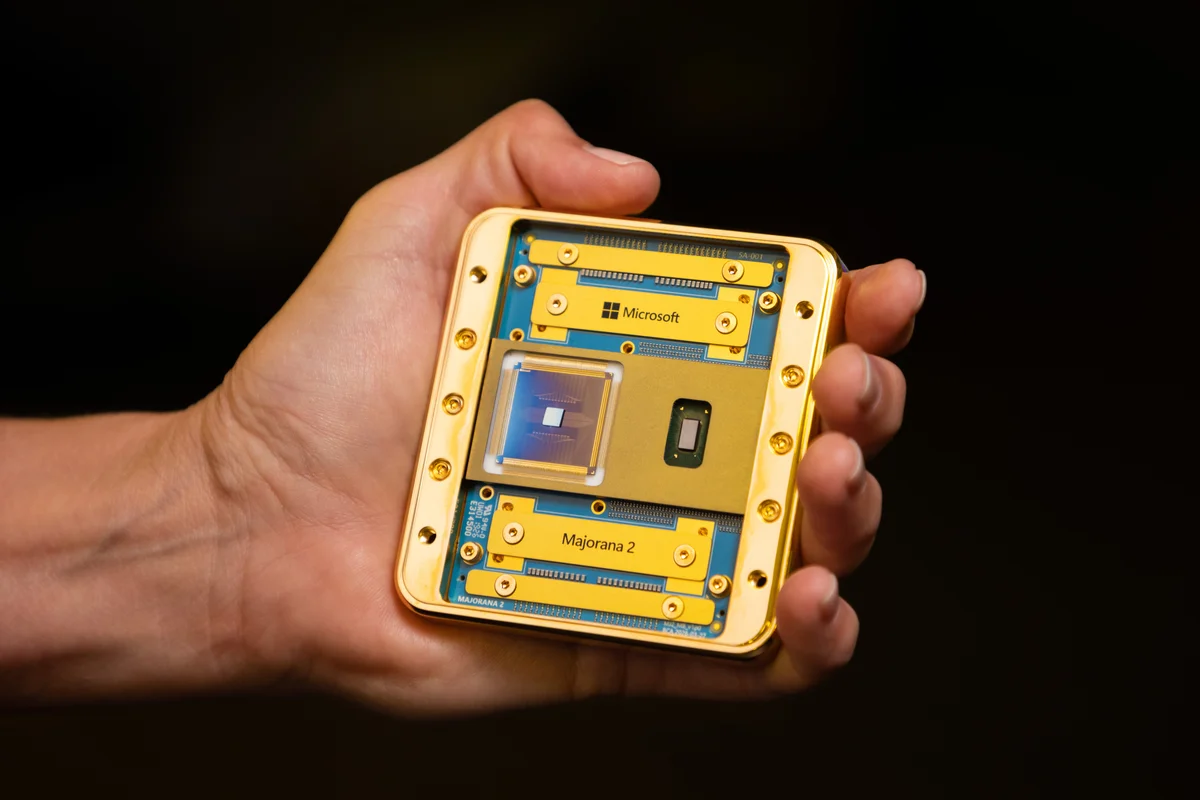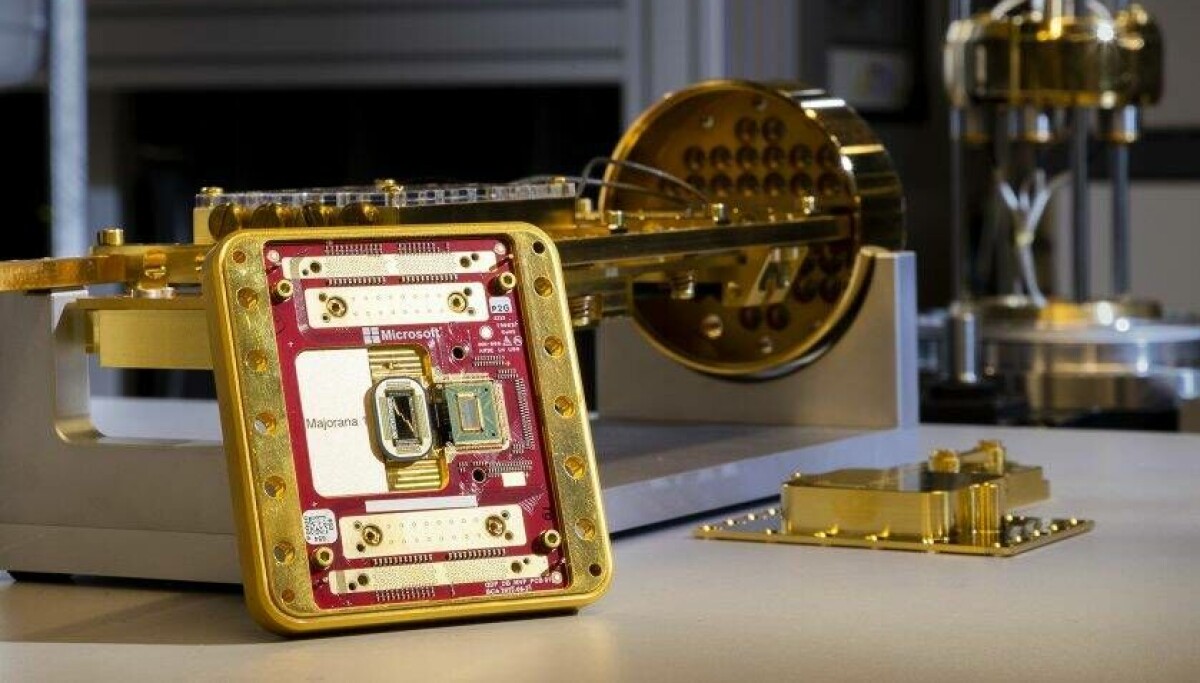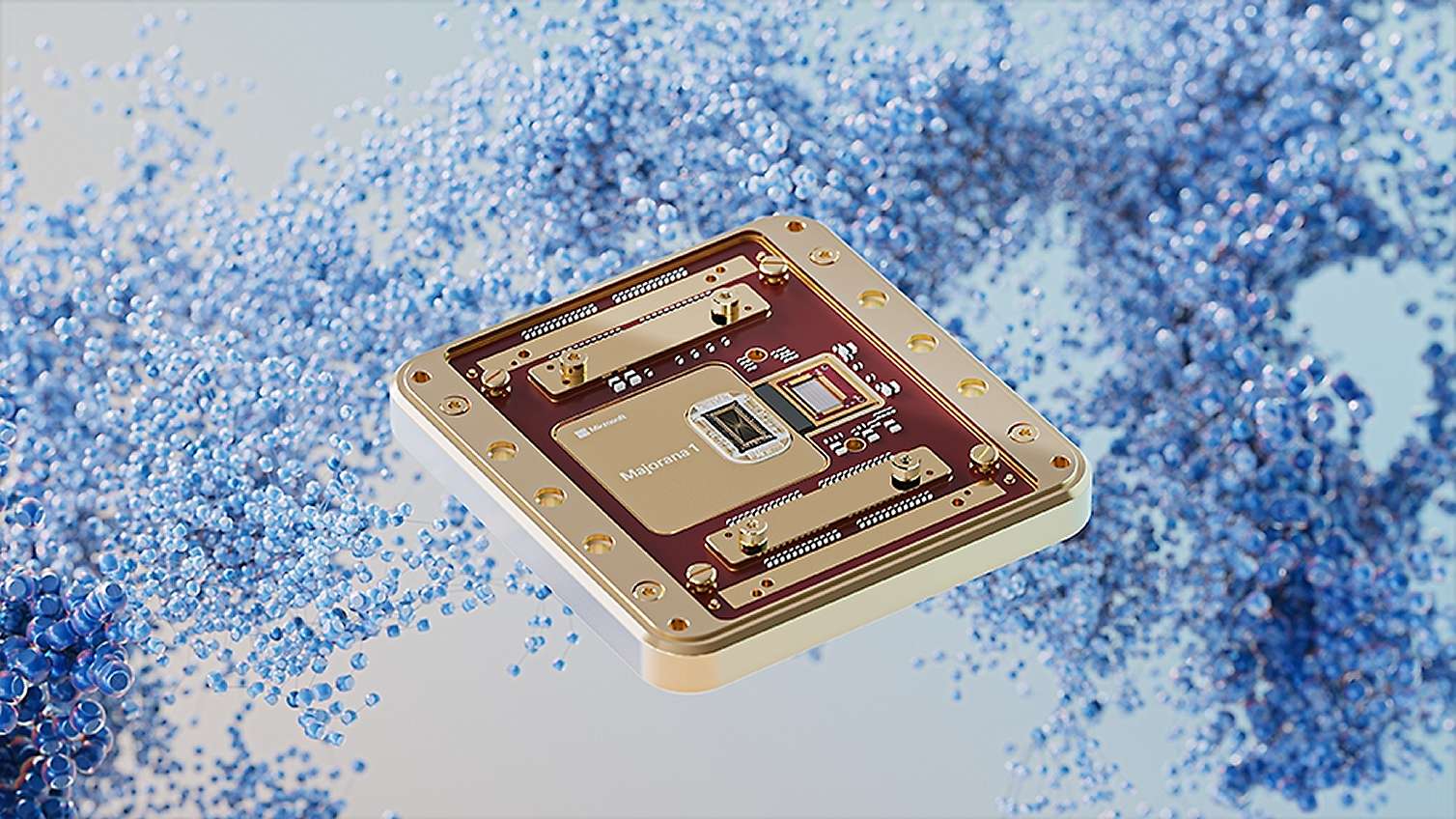
Microsoft has spent years betting that a particular flavor of quantum computing, one built on exotic particles called Majorana zero modes, will be the path that actually works at scale. A new critique published in Nature suggests the company’s evidence for that bet might be less solid than advertised.
Henry Legg, a researcher at the University of St. Andrews, published the critique on June 24, raising pointed questions about a Microsoft paper that appeared in the same journal back in February 2025. His core argument: the software Microsoft used to detect minute energy gaps in hybrid semiconductor-superconductor nanowires produced inconsistent results, and a fuller dataset released later looked more like random noise than proof of the energy gap Microsoft claimed to have found.
The ‘Jesus in toast’ problem
Legg’s analysis suggests the software essentially found patterns that weren’t really there. He likened the misleading outcomes to “finding an image of Jesus in toast,” a comparison that depends entirely on how you set your analysis parameters. Adjust the knobs one way and you see a breakthrough. Adjust them another way and you see noise.
This isn’t the first time Microsoft’s quantum research has faced this kind of challenge. The company has previously dealt with two retractions from Nature and alerts about papers published in both Nature and Science.