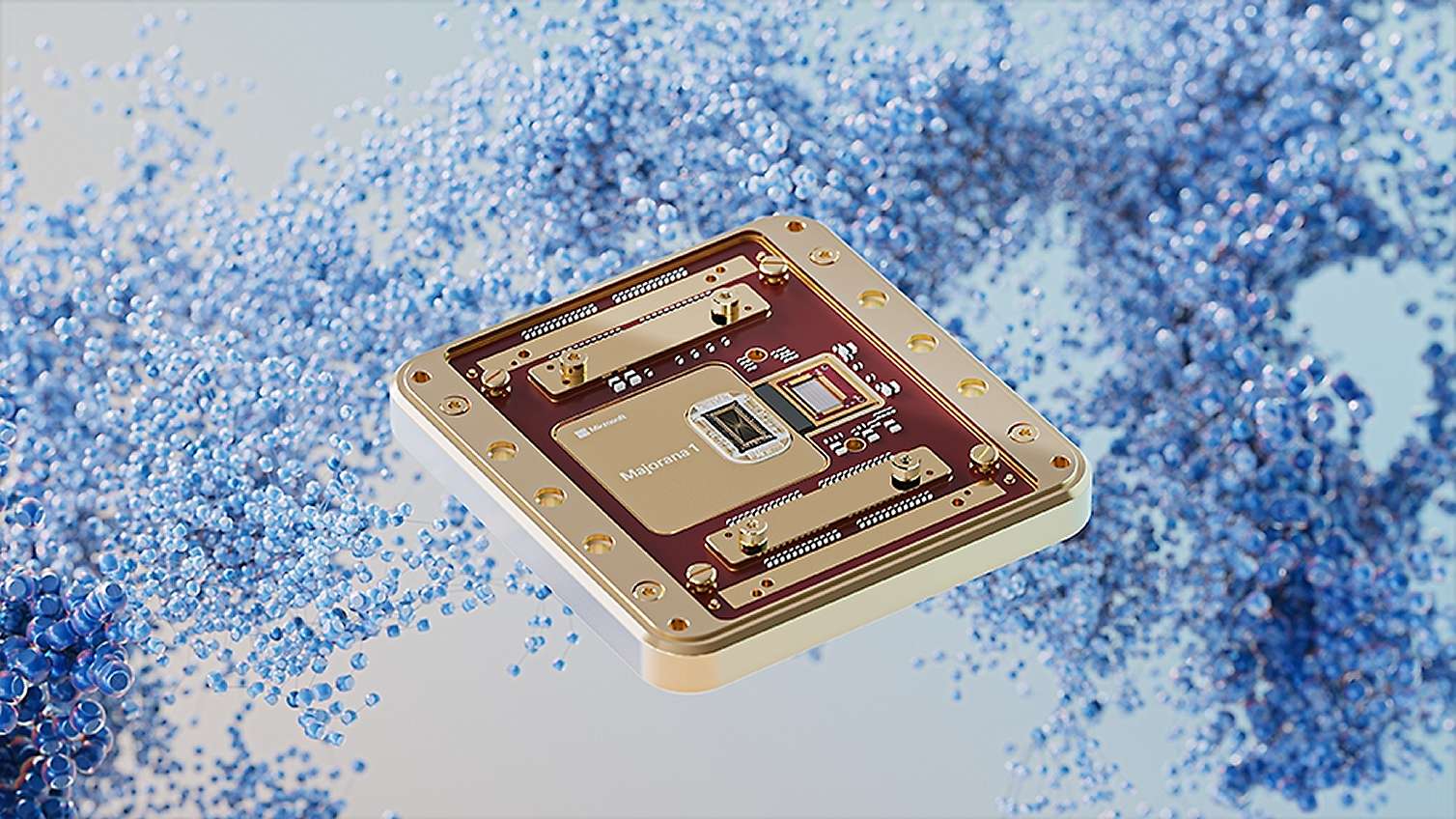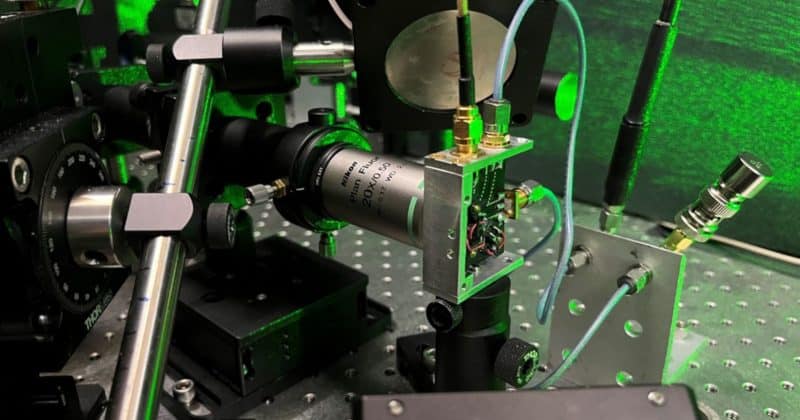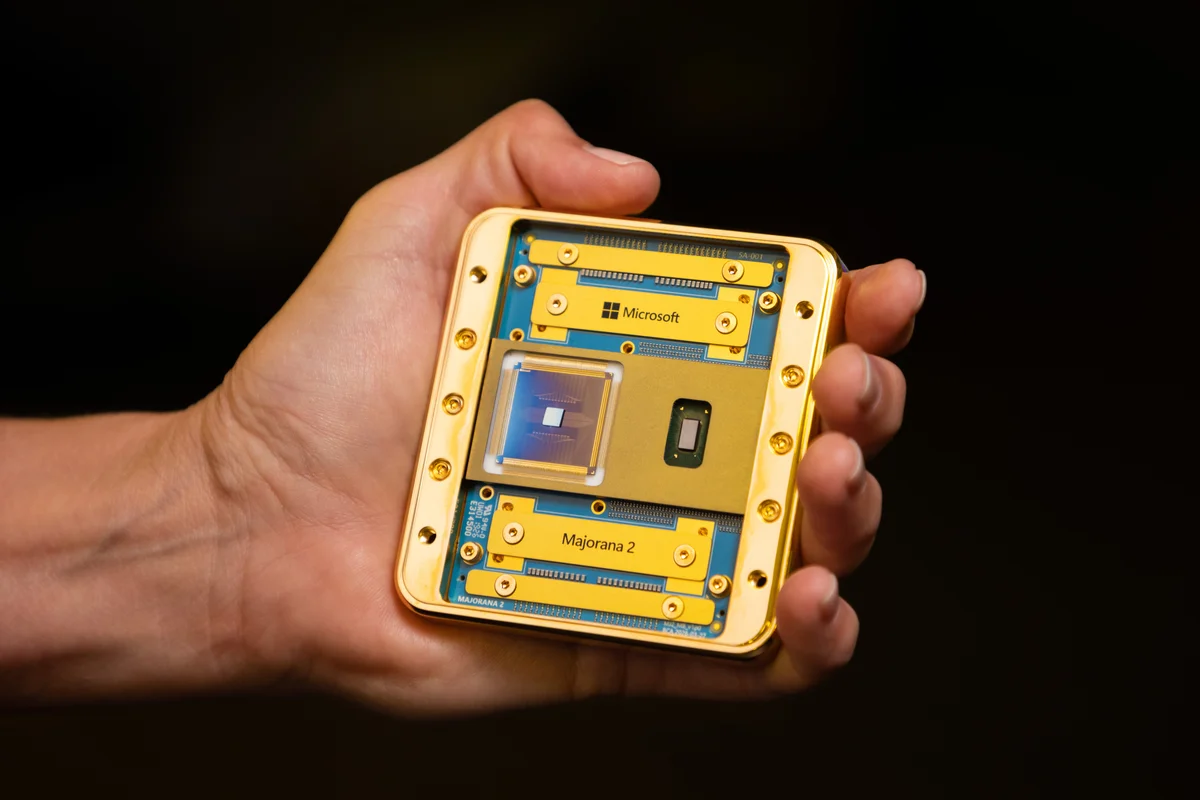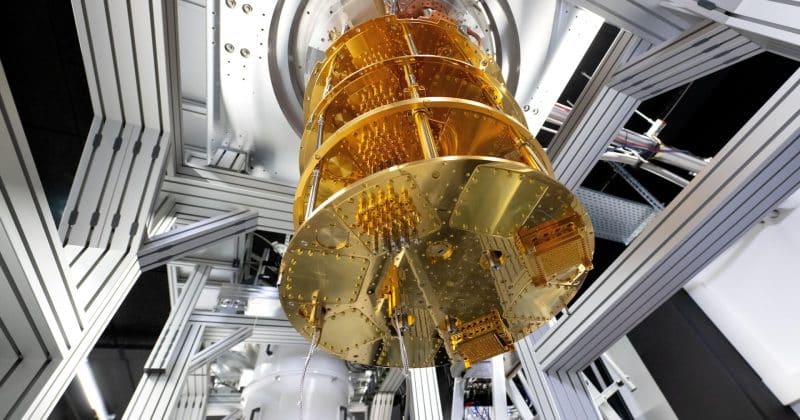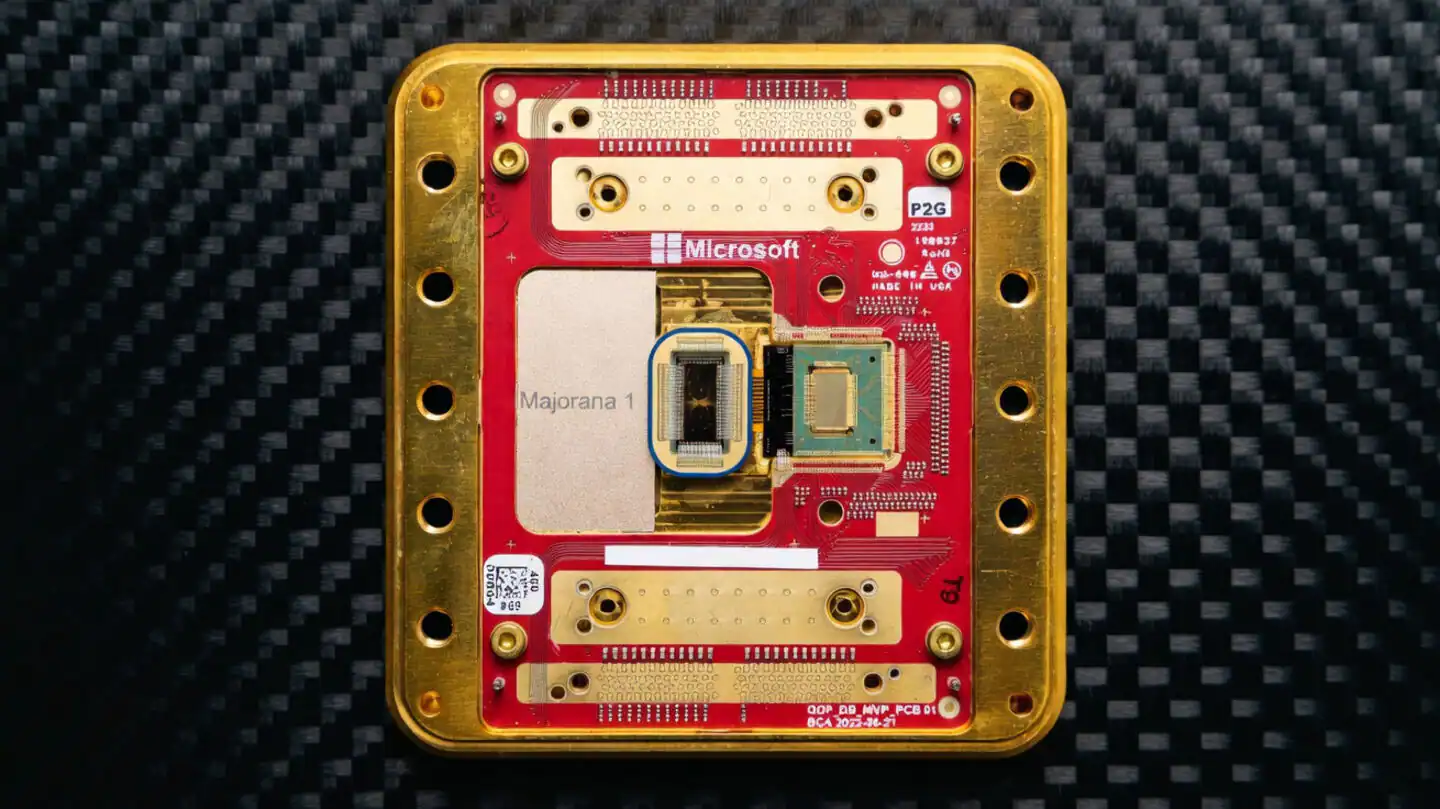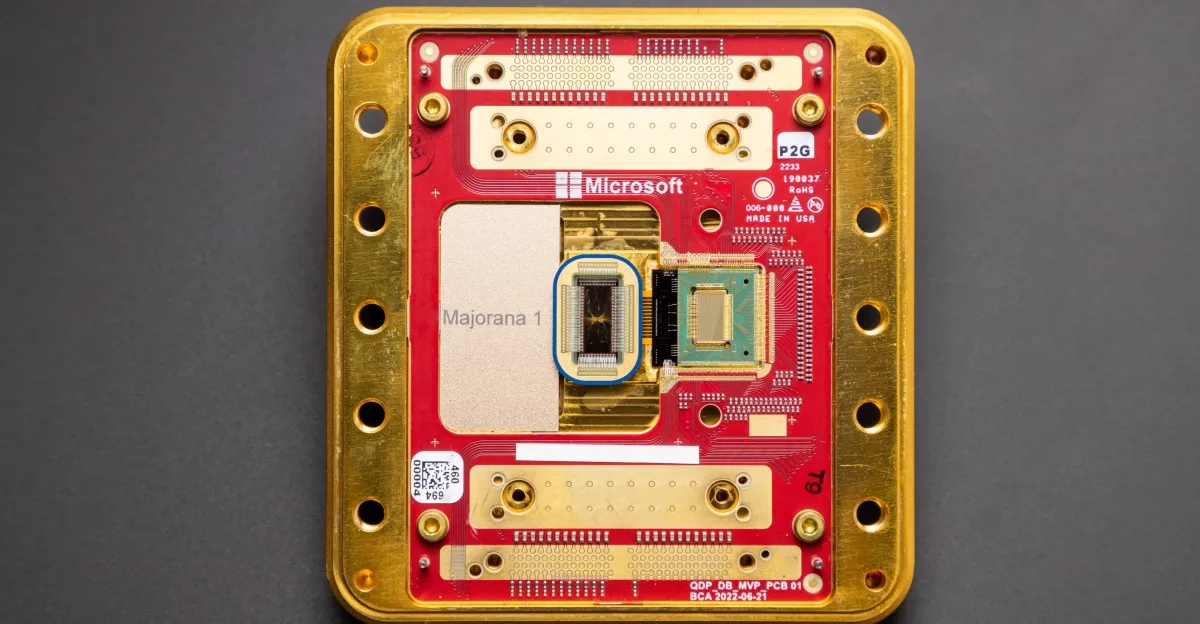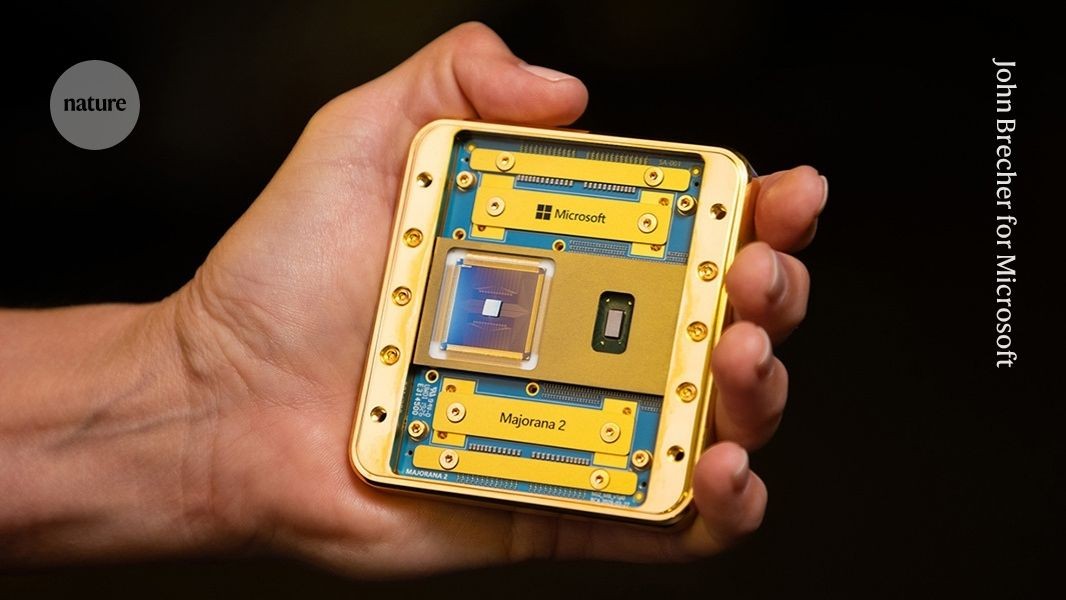
A central problem with the arguably overhyped field of quantum computing remains the difficulty in objectively ascertaining performance and new developments, as much here relies on indirect measurements. Such is especially the case with topological quantum computing, with its use of Majorana fermions. For a few years now Microsoft’s quantum computing department (Azure Quantum) has made claims here of major progress, which have subsequently repeatedly been shot down in peer review. Their most recent attempt at said progress in topological quantum computing now got a blistering response (PDF) by Henry F. Legg in an article in Nature.
We previously reported on Microsoft’s attempts here in early 2025, when they claimed the detection of the crucial Majorana Zero Mode (MZM), before it faced the criticisms of peer review, including by Legg, which included academically vicious language by some researchers, including terms like ‘essentially fraudulent’.
This raises the awkward question of whether Microsoft’s quantum researchers are just too eager to confirm a discovery, or whether a more benign reason exists.
Majorana Versus Dirac
The unitary operation corresponding to exchanging anyons depends only on the topology of the braid. (Source: Wikimedia)