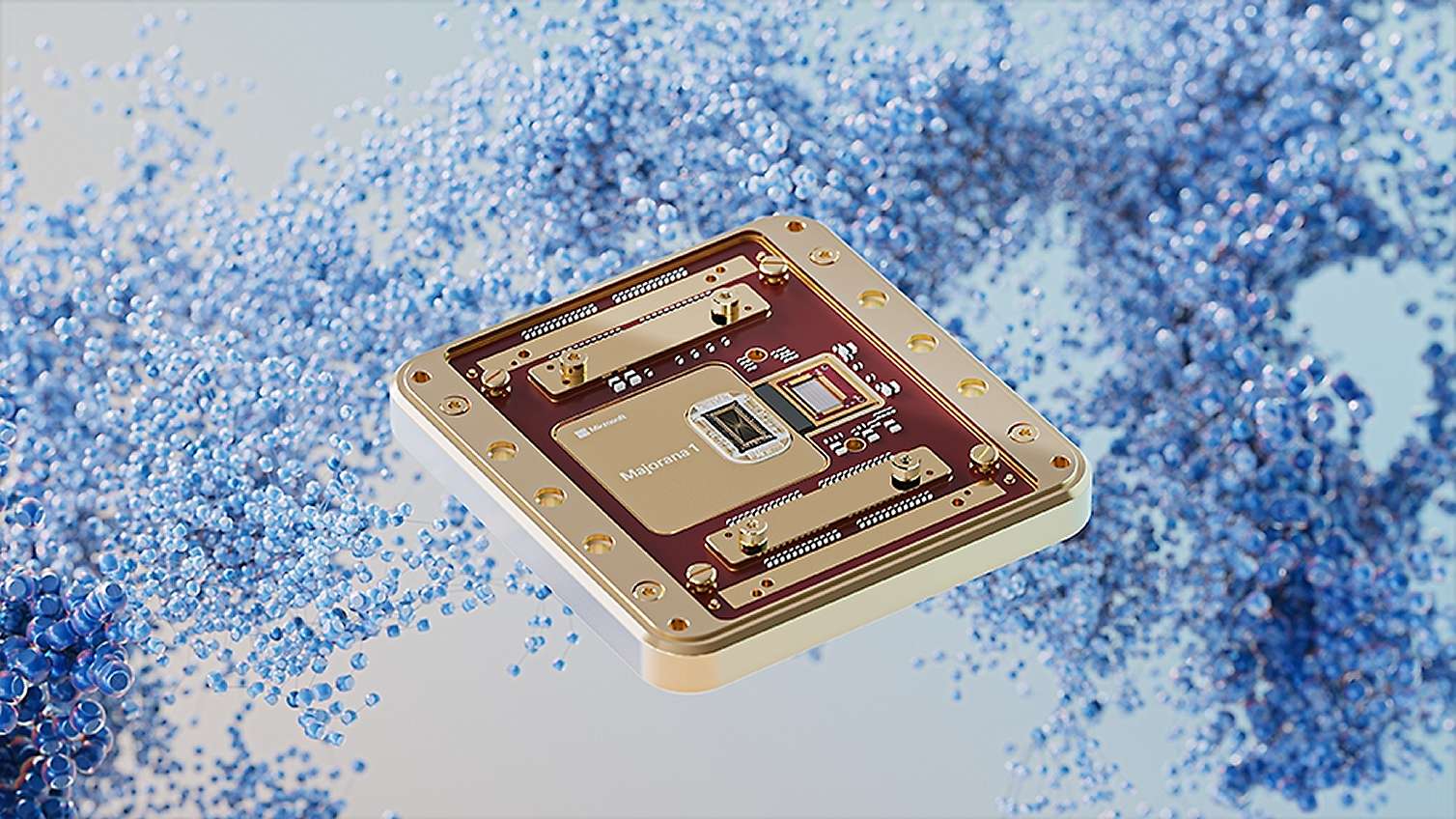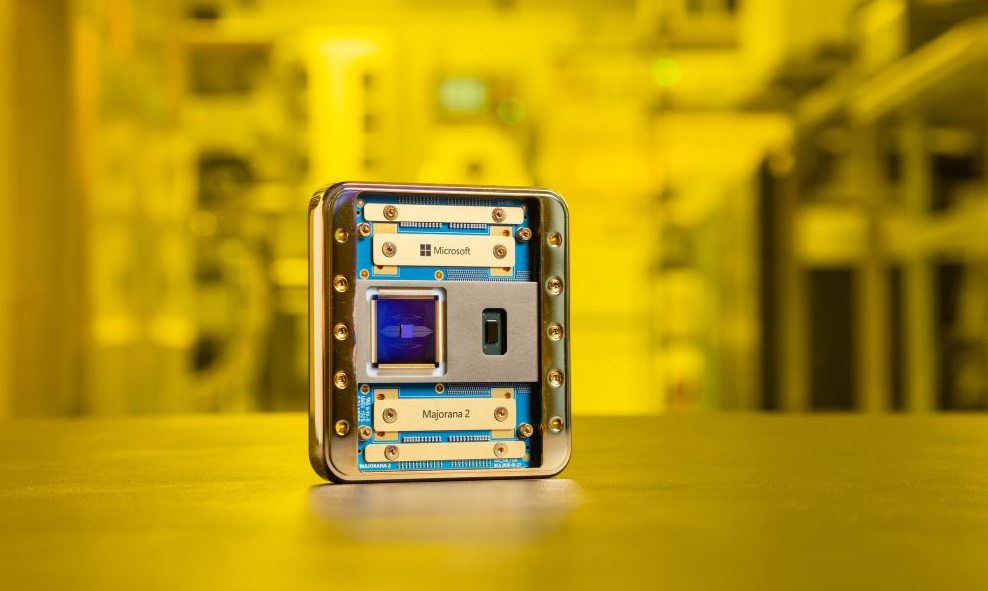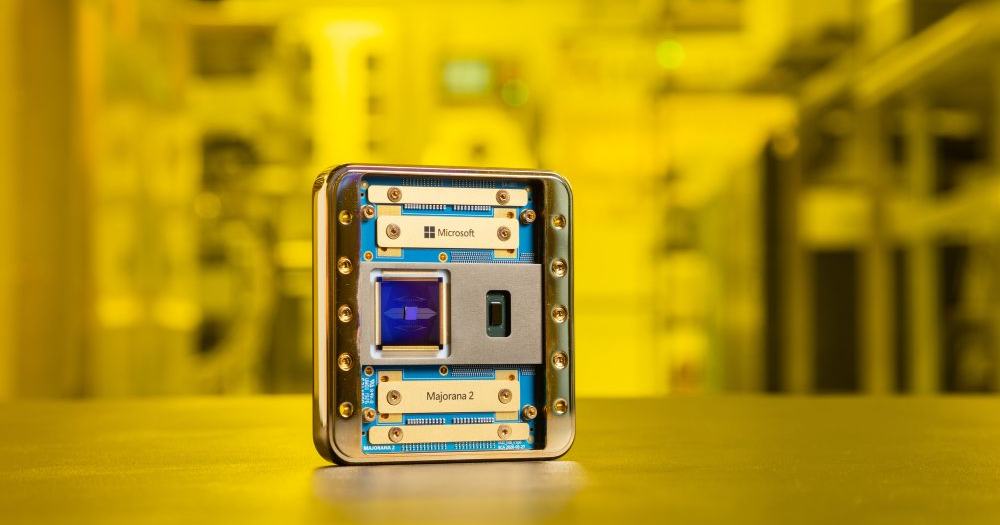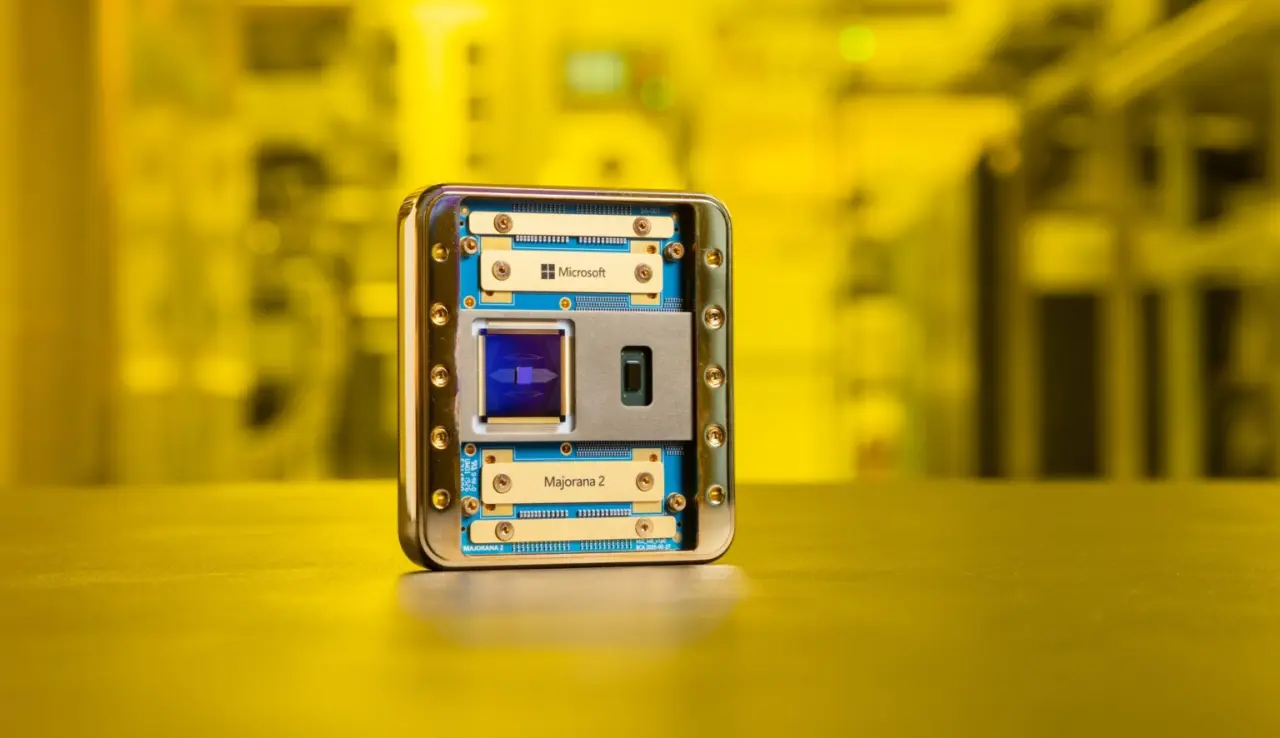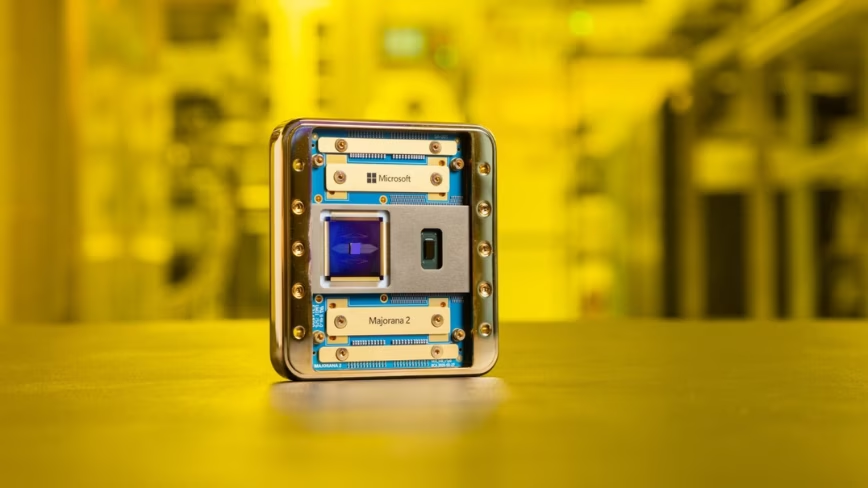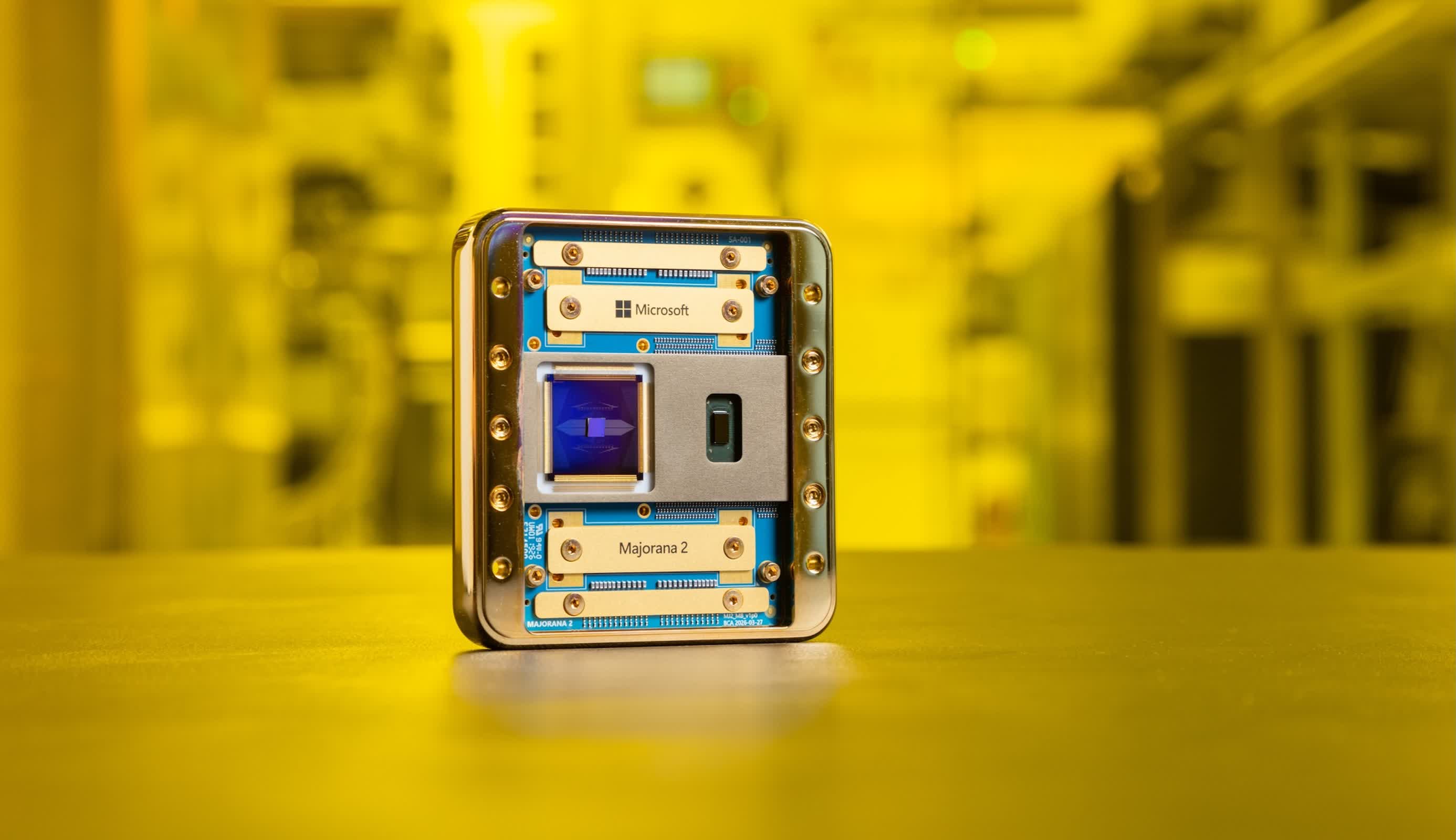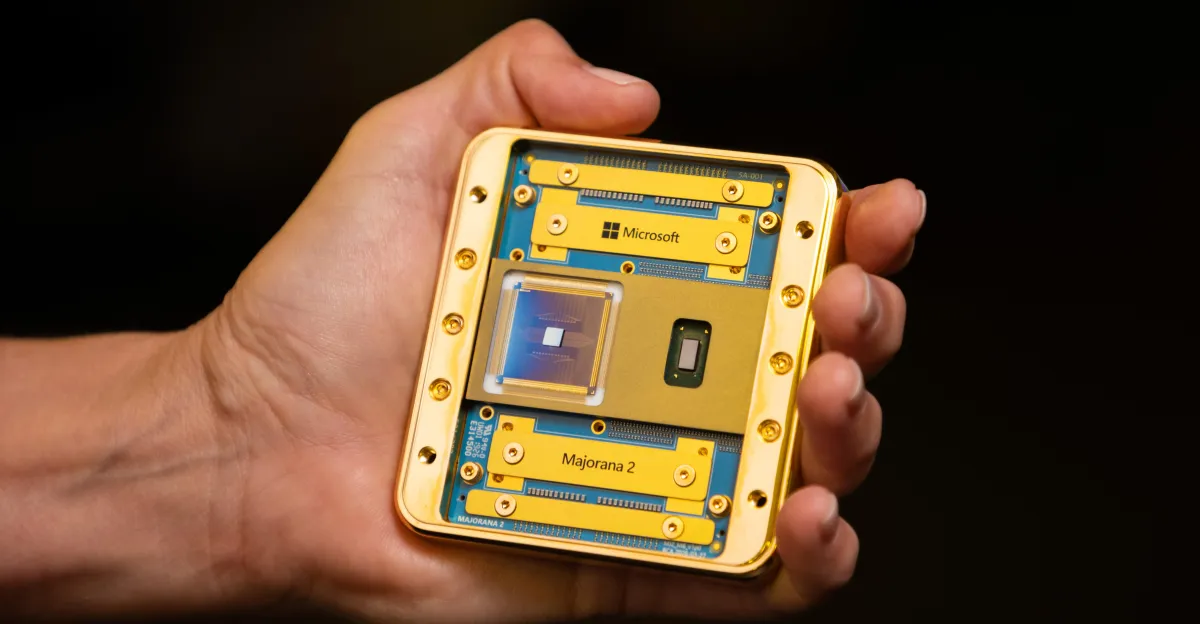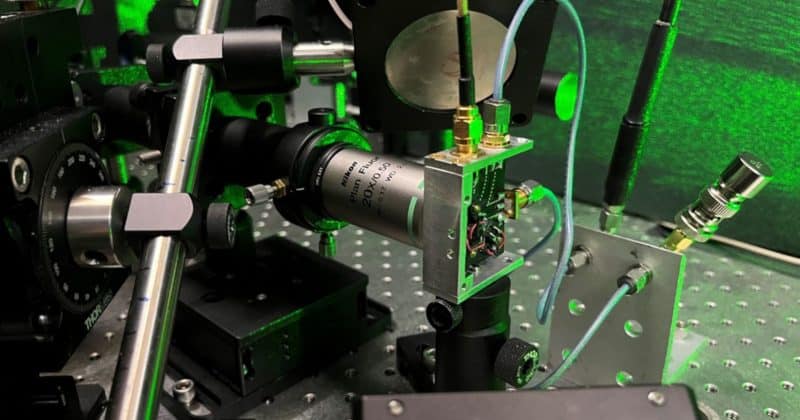
Microsoft dropped its next-generation quantum chip, Majorana 2, at the Build conference on June 2, claiming a 1,000-fold improvement in qubit reliability over its predecessor. Three weeks later, President Trump signed two executive orders designed to turbocharge US quantum computing and force federal systems onto post-quantum cryptography.
What Majorana 2 actually does
The original Majorana 1 chip relied on aluminum-based superconductors. Majorana 2 swaps in a redesigned materials stack built around lead-based superconductors, a shift Microsoft says was guided by AI-assisted materials science.
The result is an average coherence time of roughly 20 seconds for the chip’s qubits. Coherence time measures how long a qubit holds its quantum state before errors creep in. Twenty seconds may not sound impressive until you consider that many competing platforms measure coherence in microseconds.
Microsoft now says it expects to deliver a scalable, fault-tolerant quantum computer by 2029. That effectively halves the company’s previous timeline.