Microsoft wants you to believe it cracked the code on quantum computing. A growing chorus of physicists is saying: not so fast.
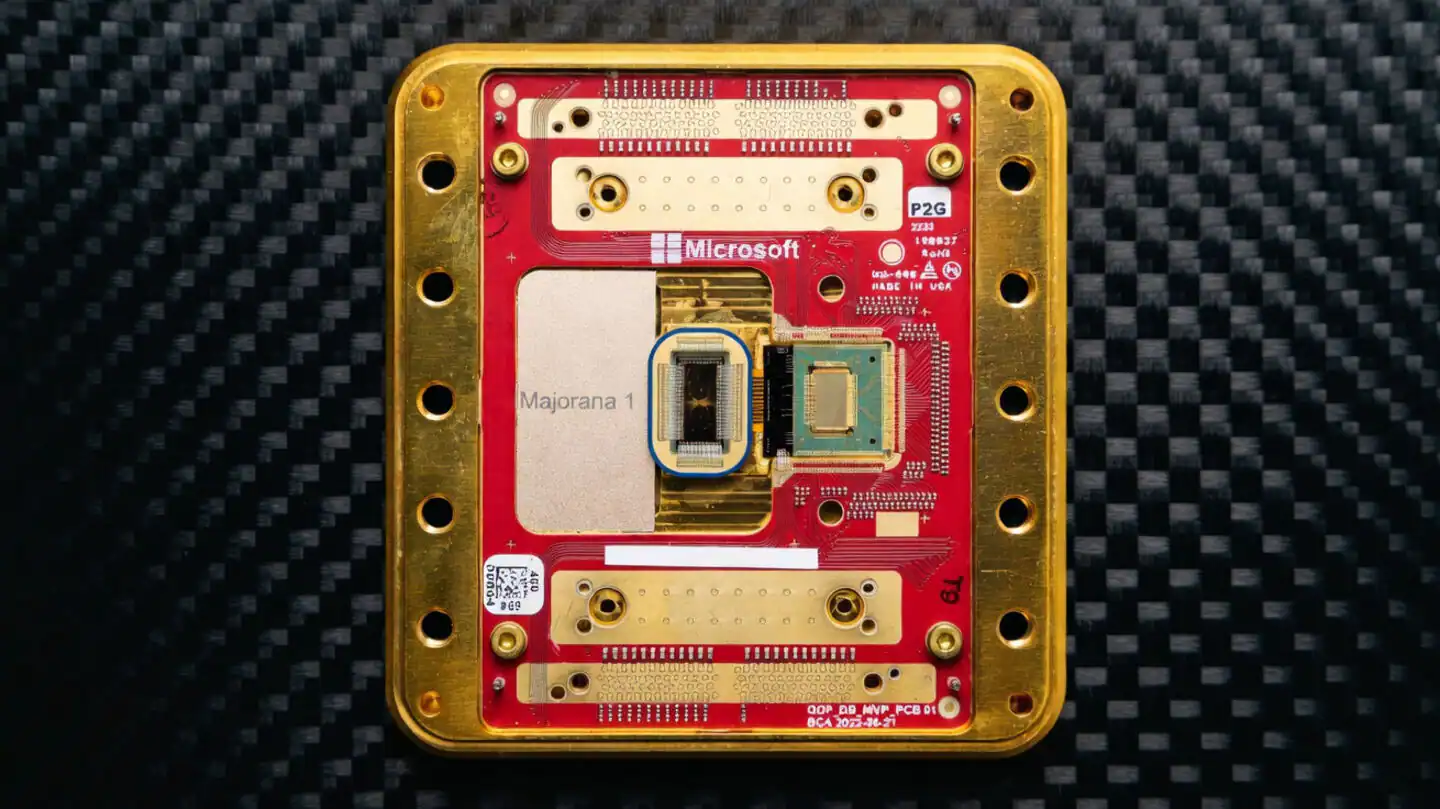
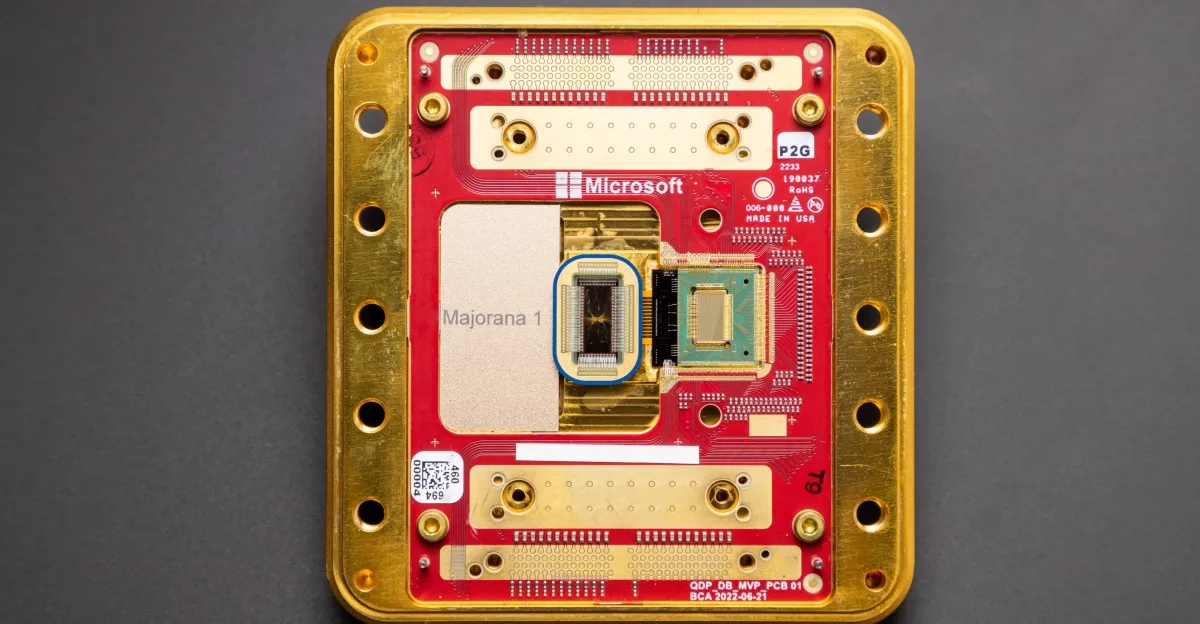
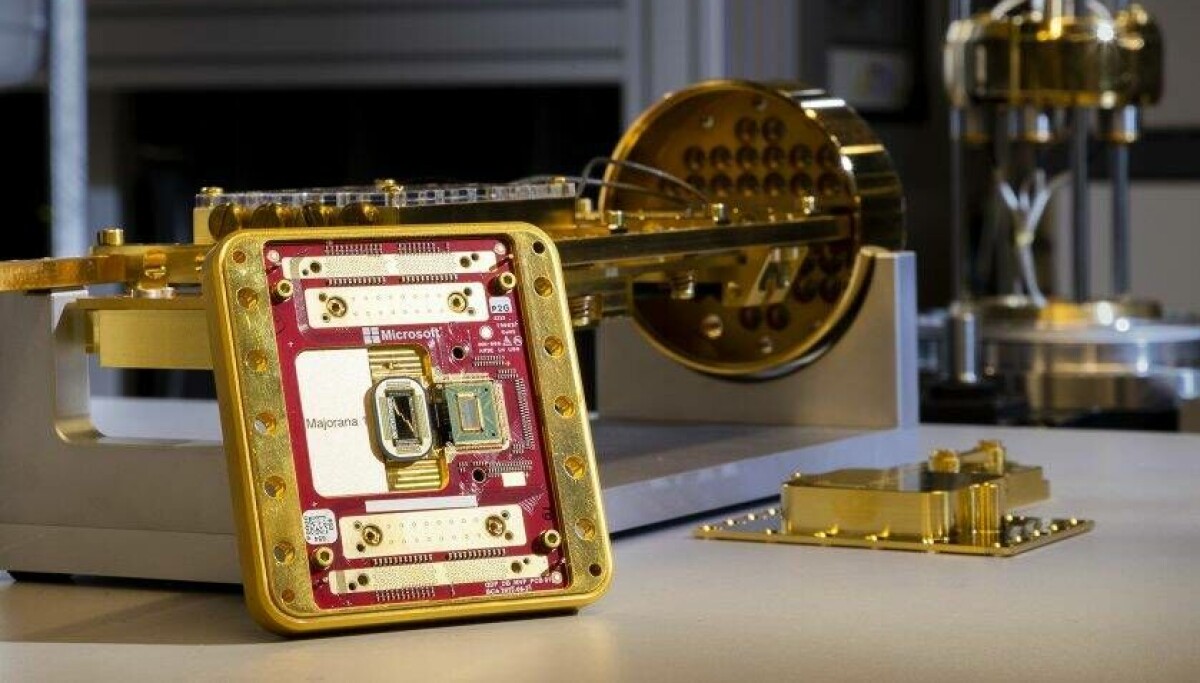
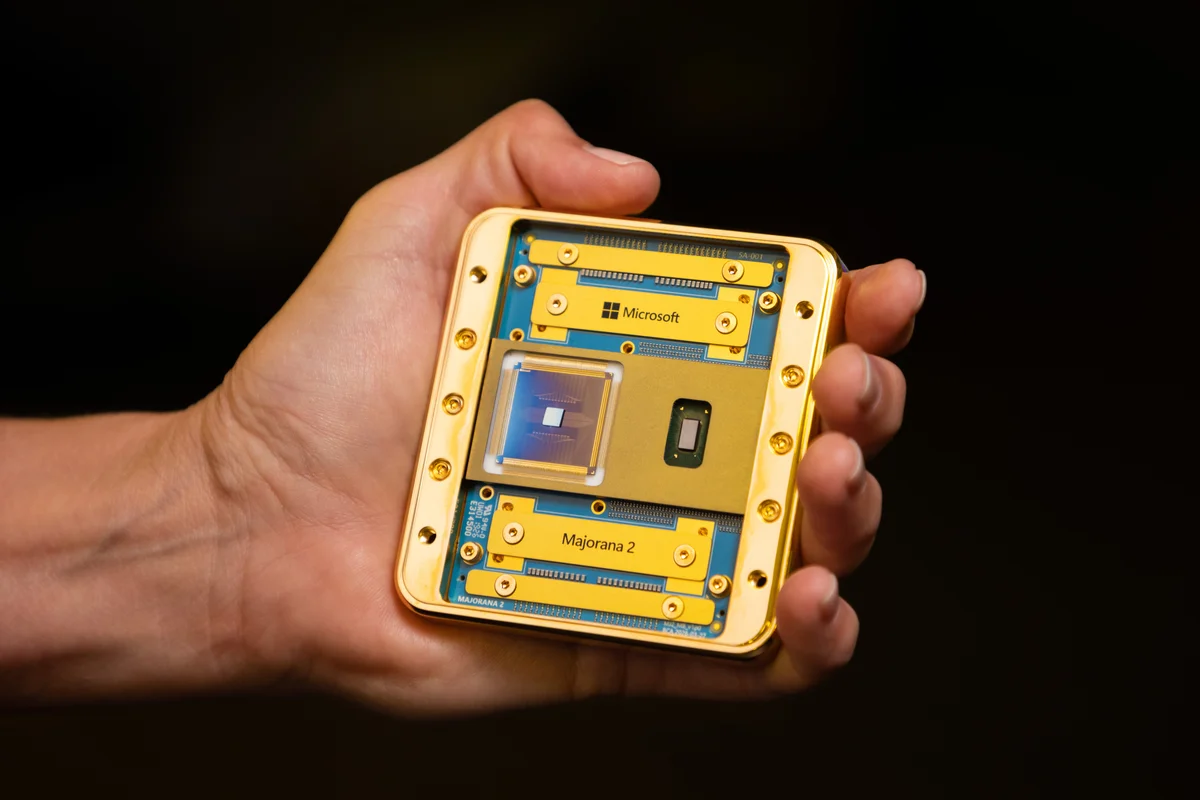
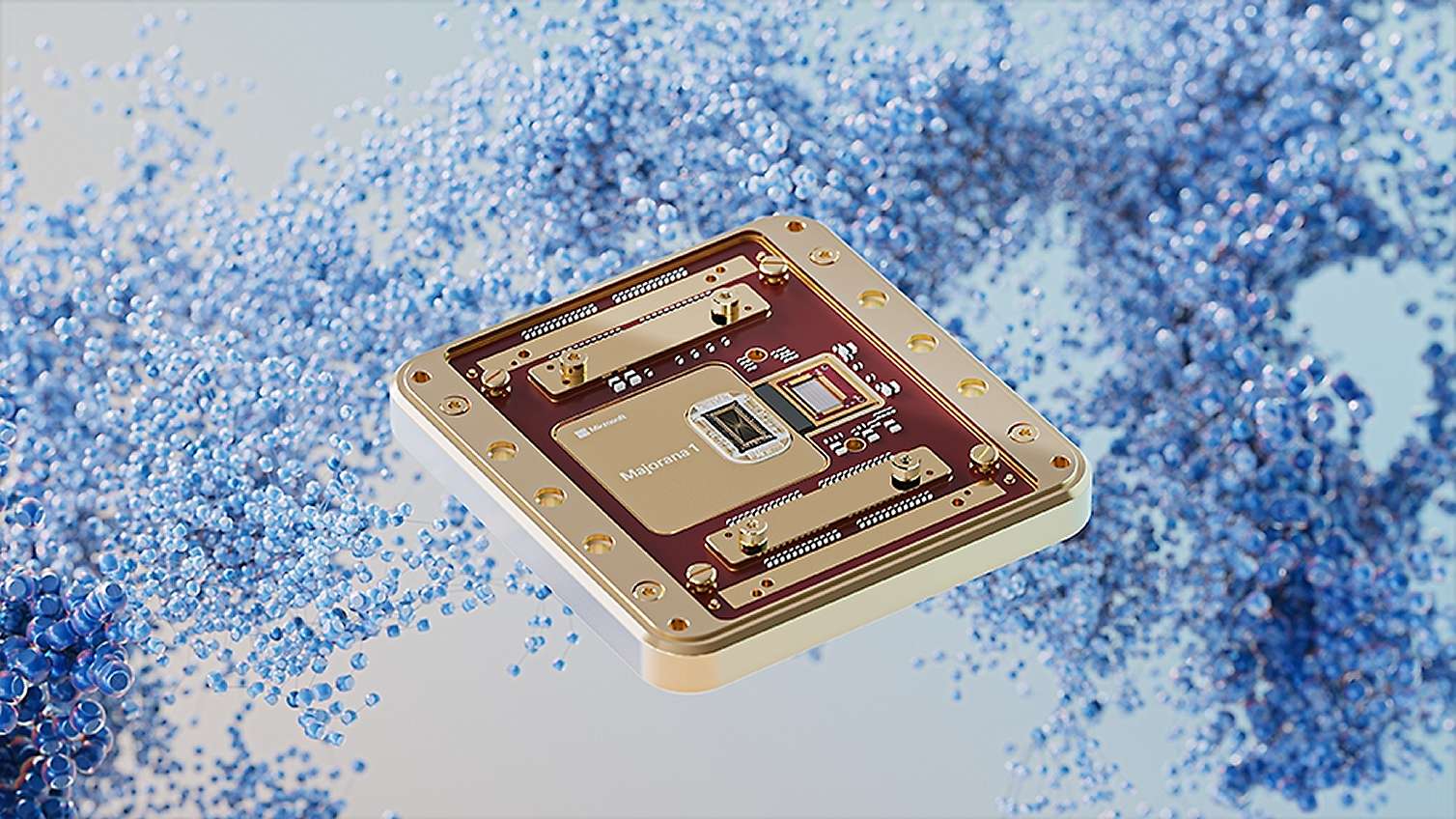
The tech giant published a paper in Nature on 19 February 2025 tied to its Majorana 1 chip, which it marketed as the world’s first quantum processor powered by topological qubits. The problem, according to UK-based researchers, is that the paper itself doesn’t actually prove the existence of the exotic particle the whole thing depends on.
The gap between the press release and the paper
Winfried Hensinger, a physicist at the University of Sussex, and Henry Legg of the University of St Andrews have both flagged the disconnect between what Microsoft told the world and what the Nature paper actually demonstrates. According to their analysis, the paper focuses more on device characterization, essentially describing the hardware, rather than providing definitive experimental evidence that Majorana zero modes were created or harnessed.
Legg has gone further, posting preprints that question the Topological Gap Protocol, the measurement technique Microsoft uses to claim evidence of topological behavior. His critiques center on data quality and the analytical methods used to interpret the results.