The U.S. retreat from the world's public health stage amid disease outbreak has some experts concerned about infectious diseases.

Officials are more concerned about highly contagious diseases like measles and respiratory viruses, which can spread quickly through large, fast-moving crowds.

Despite a diminished federal presence, public health departments are preparing for common ailments that could afflict fans who gather for the event — and are keeping an eye on the…

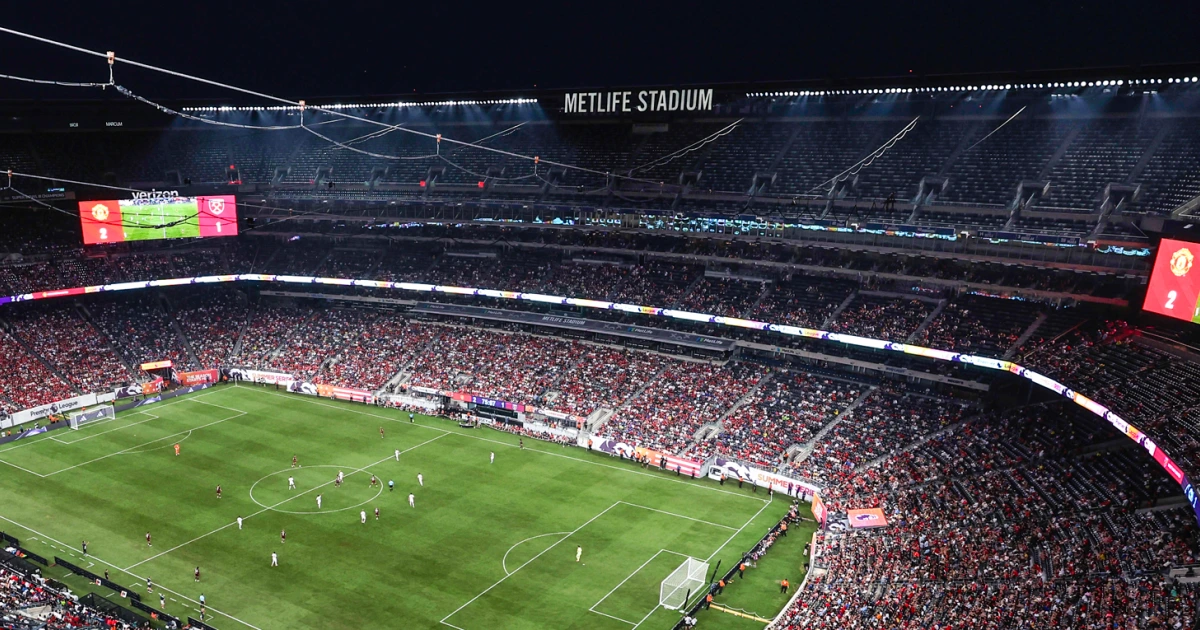
Heat, cardiac events, behavioral health, security threats, and infectious disease are all at play

Public health workers have been preparing for months for an onslaught of soccer fans, along with any illnesses they might get.

Measles may be the bigger threat partly because it is more contagious, and cases in the U.S. are already rising.

The U.S. retreat from the world's public health stage amid disease outbreak has some experts concerned about infectious diseases.

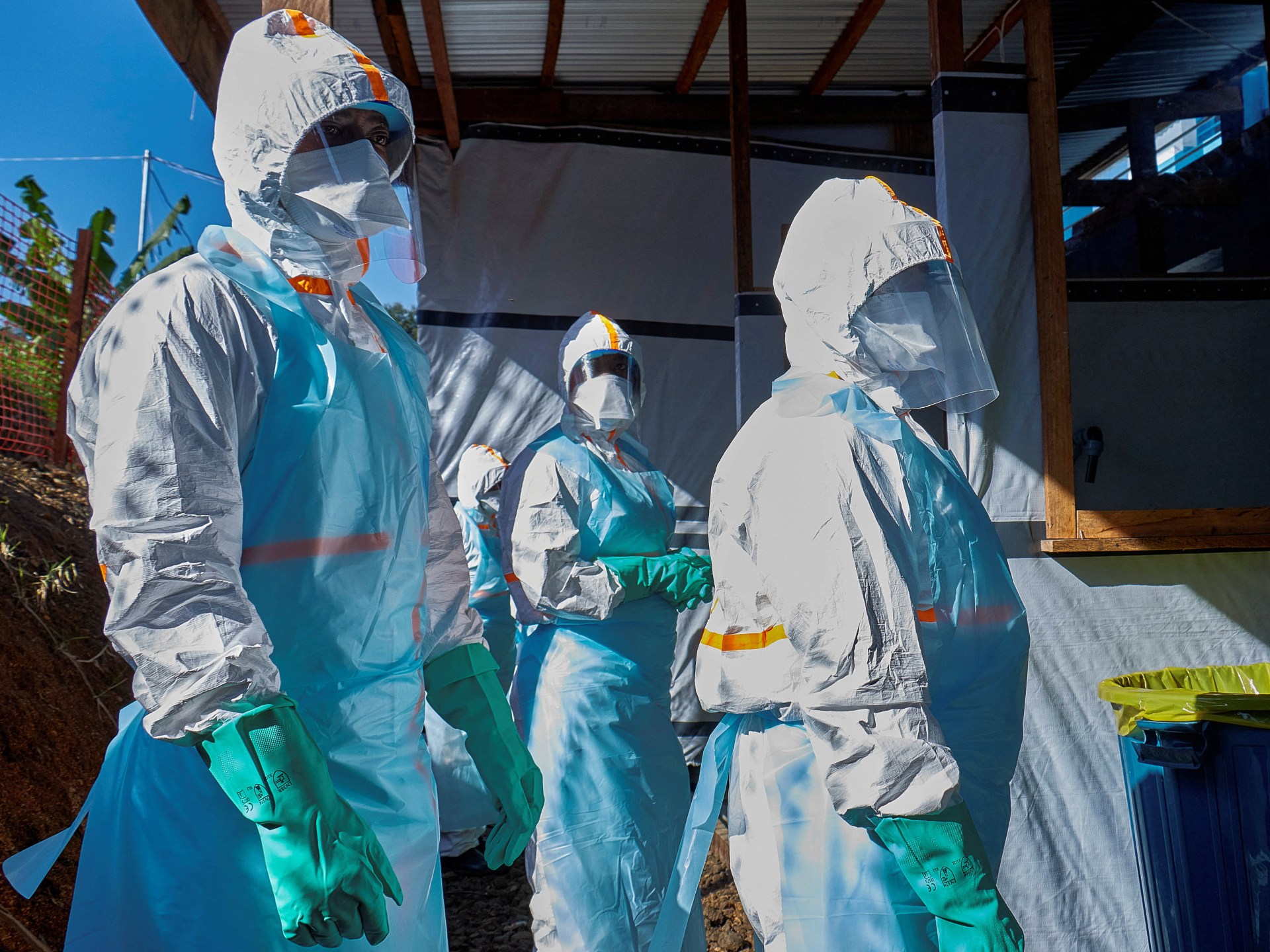
The US, Mexico and Canada have announced Ebola-related travel restrictions before the start of the World Cup.

As millions of international fans head to US cities for the 2026 FIFA World Cup, public health experts are warning about measles outbreaks and Ebola risks.

The federal government spent $625 million on World Cup security—and none of it went to public health. Just days away from the tournament, major concerns remain.

The influx of tourists could spark outbreaks of everything from Ebola to STIs, according to Dr Andres Henao at the University of Colorado Anschutz.

The team is already preparing a daily status report to flag emerging risks and any immediate need for action

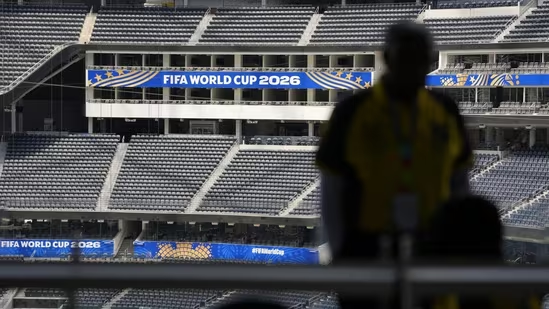
When the 2026 FIFA World Cup begins on June 11, 2026, matches will be played across 16 cities in the United States, Canada and Mexico.

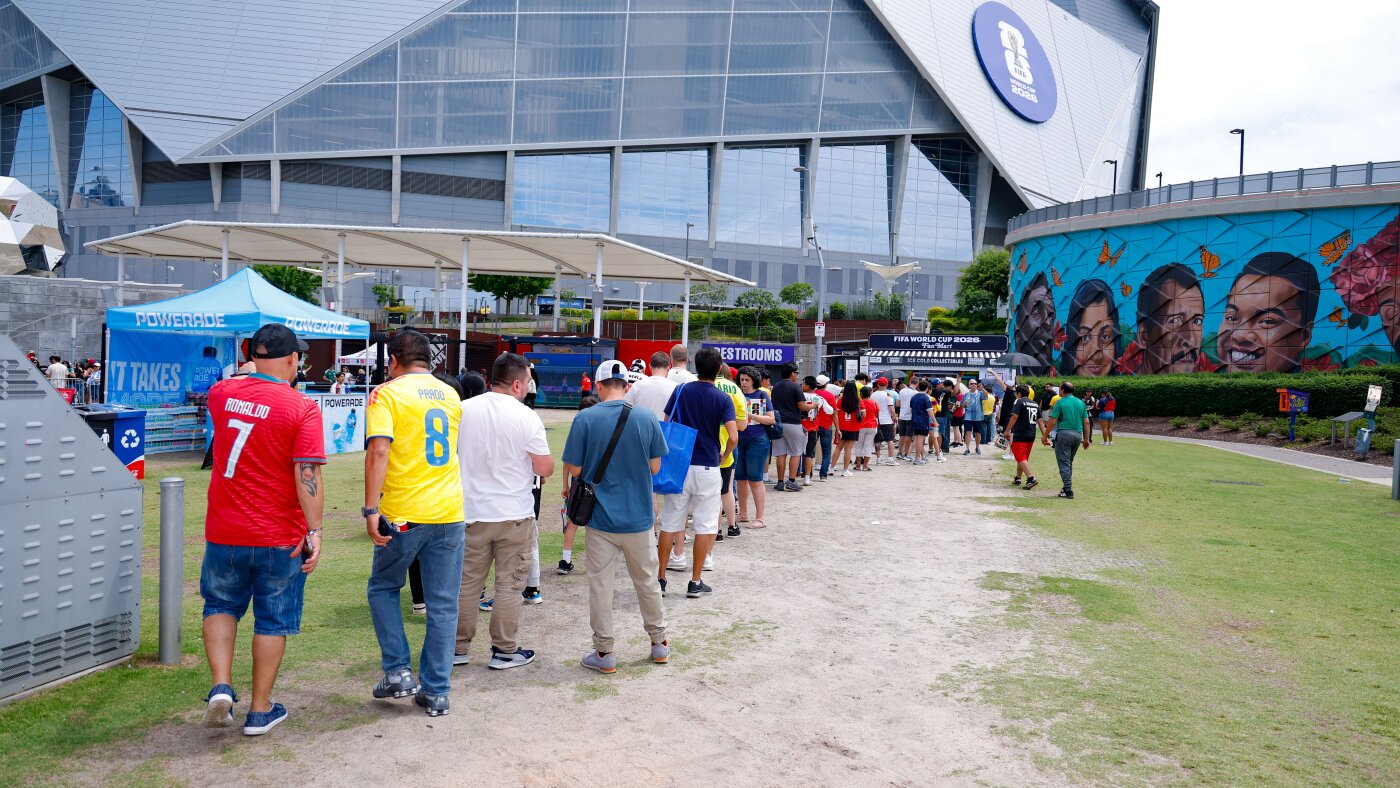
The World Cup will be weekslong experiment in global mixing that creates a perfect environment for infectious diseases to spread