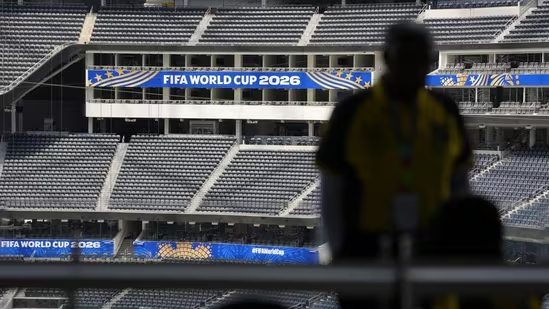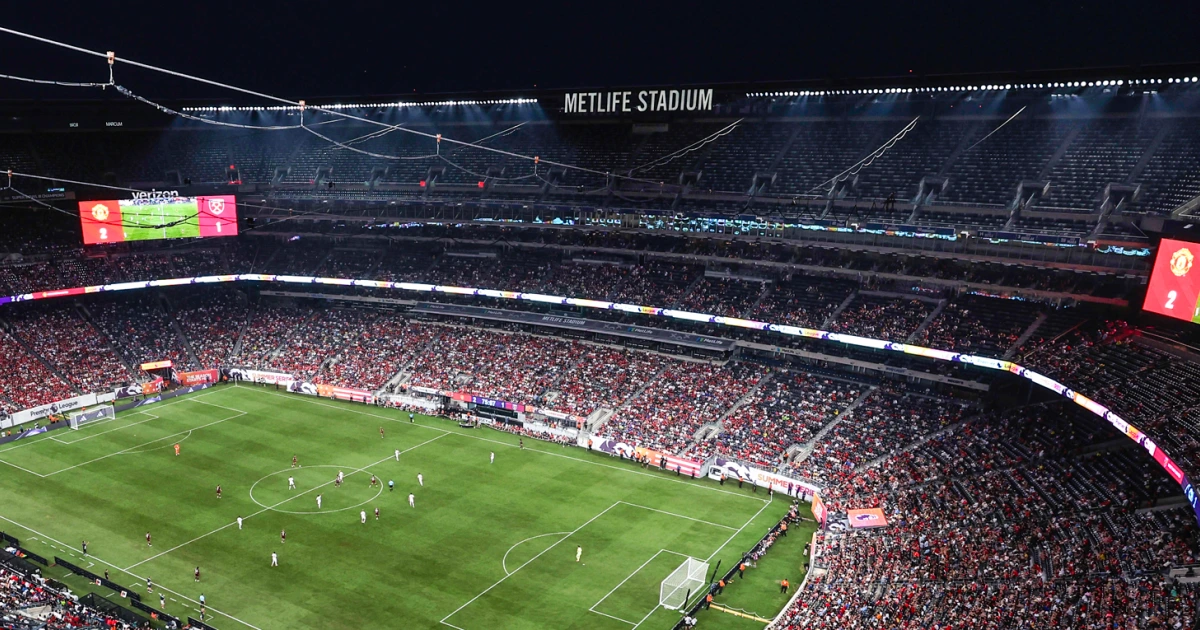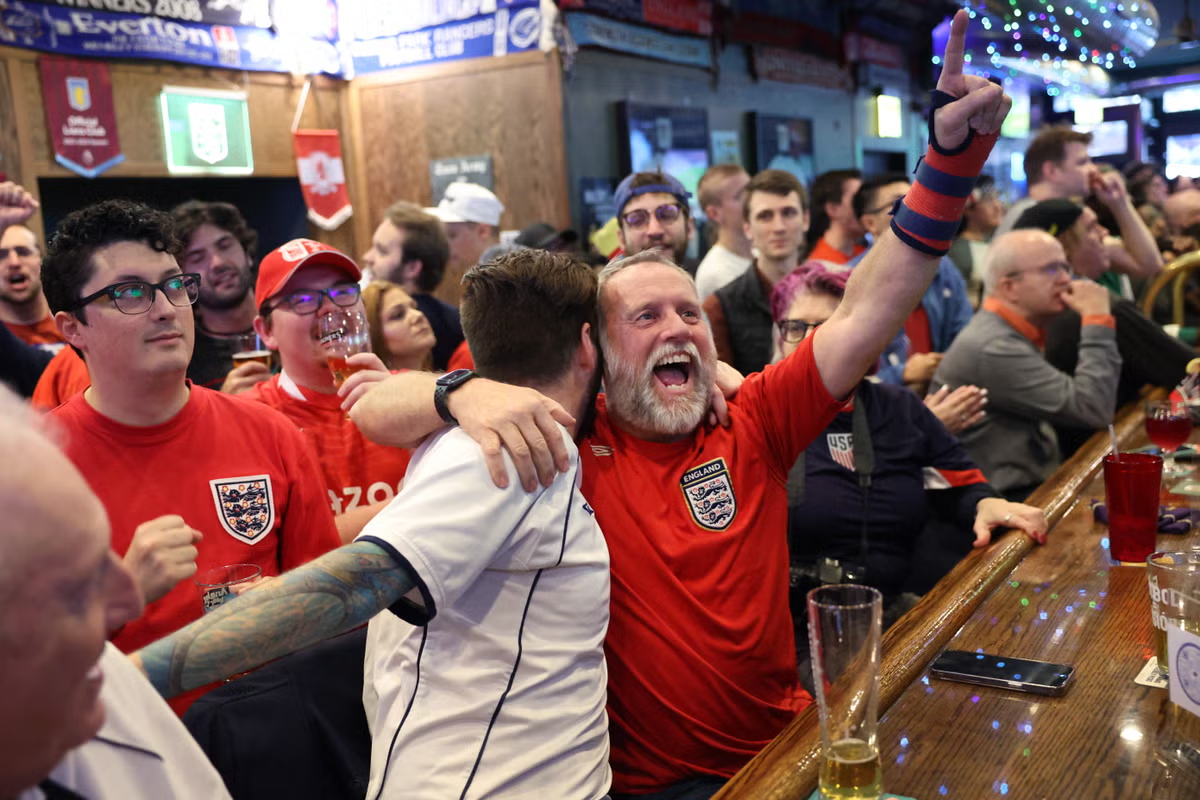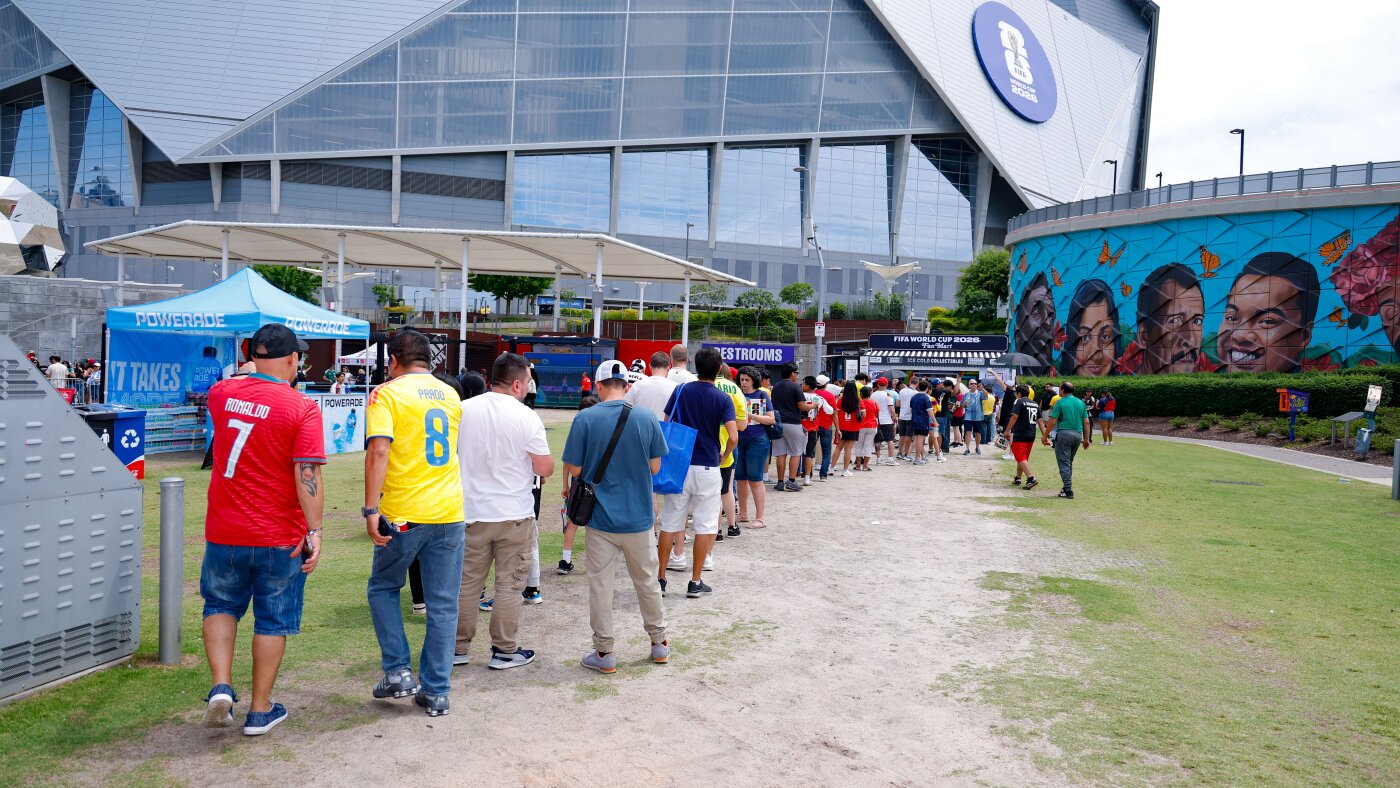
As millions pour into 11 U.S. cities next week for the start of the World Cup, the fanfare may be accompanied by a silent and potentially deadly threat: disease.
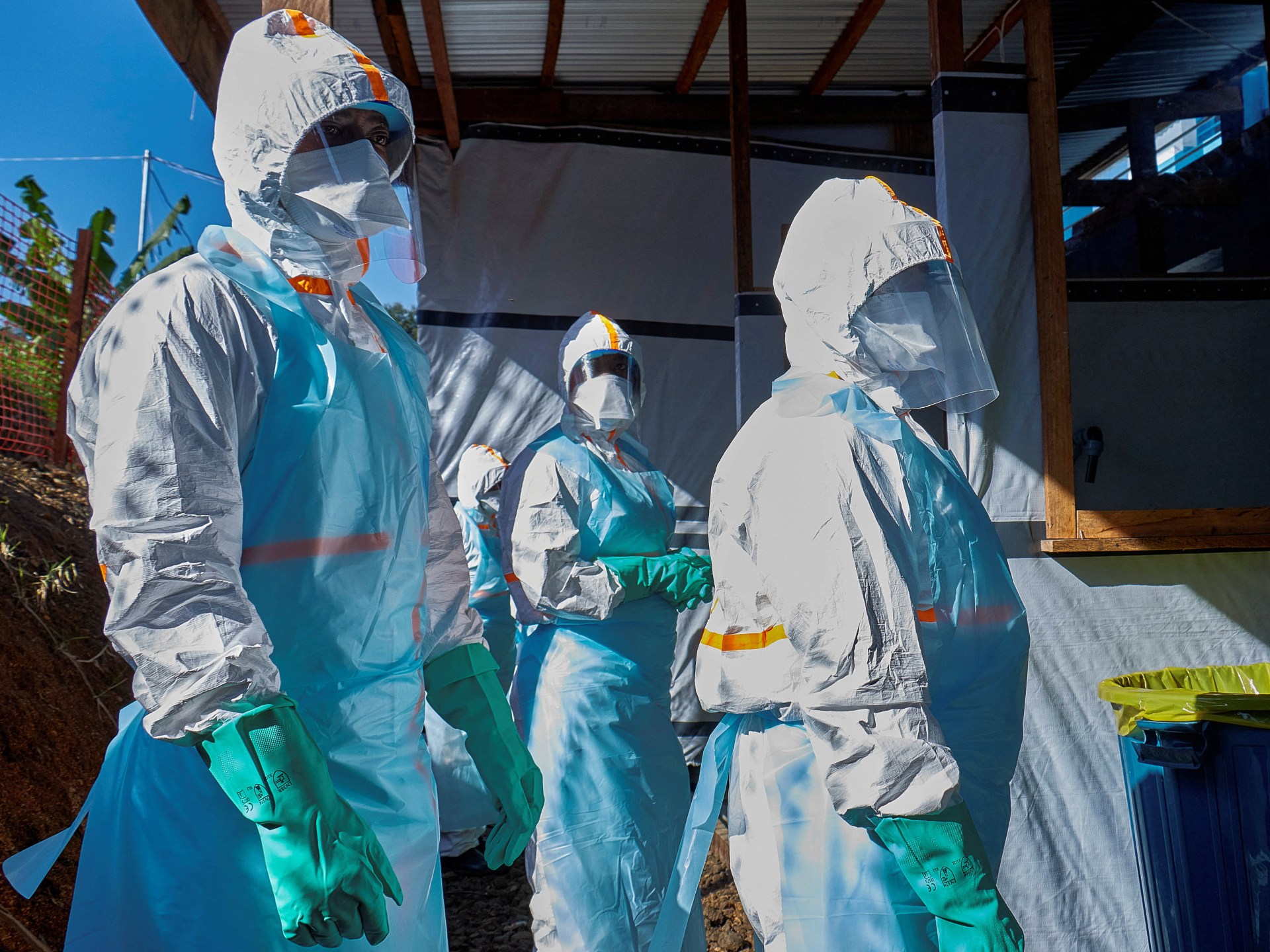
The recent outbreak of Ebola in Uganda and the Democratic Republic of the Congo are pushing U.S. officials to act. More than 200 people have died, according to the World Health Organization, as the Bundibugyo strain driving the infections is rare and has no known treatment or vaccines.
Already, U.S. officials have imposed a 30-day travel ban for most foreign nationals who have recently visited the two African countries as well as South Sudan because of its proximity. U.S. citizens and nationals returning from those countries can return immediately but need to route through specific airports for enhanced Ebola screening and also agree to 21 days of post-arrival monitoring.
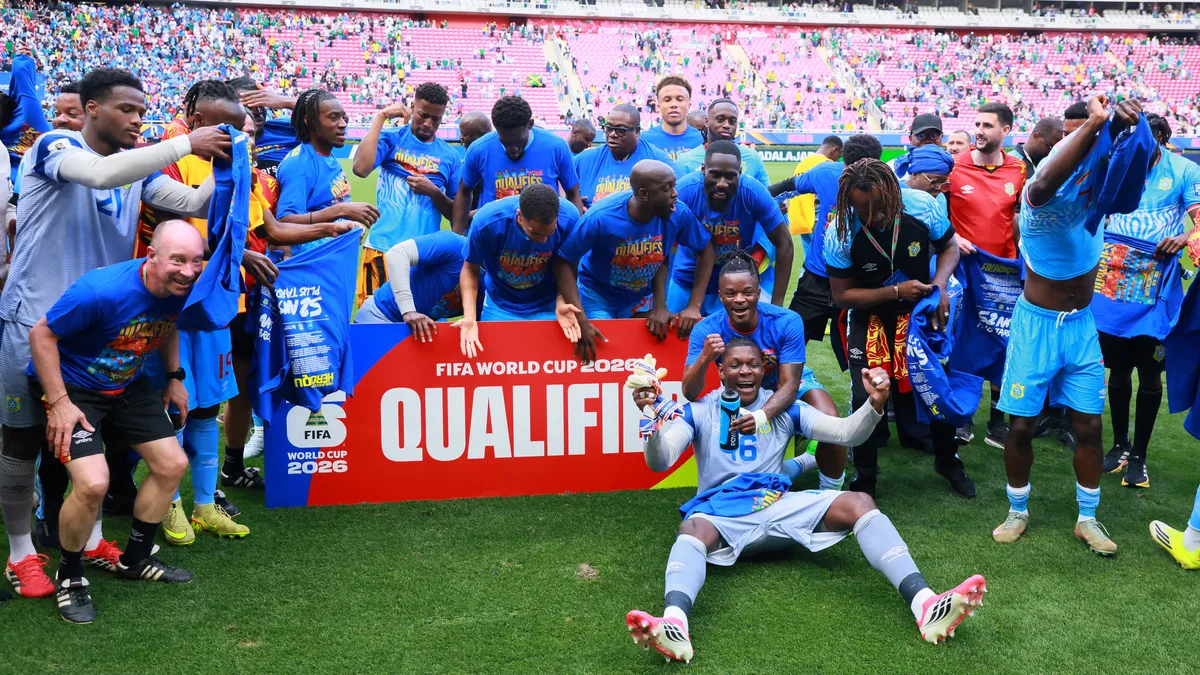
Not even the athletes participating in the world’s biggest sporting event are free from scrutiny. The executive director of the White House Task Force on the FIFA World Cup 2026, Andrew Giuliani, said last month the U.S. asked the DRC’s national team to quarantine in Belgium for 21 days before arriving in the U.S. The tournament begins on June 11.
“They need to maintain that bubble or they risk not being able to travel to the United States,” he said in an interview with ESPN. “We cannot be any clearer.”