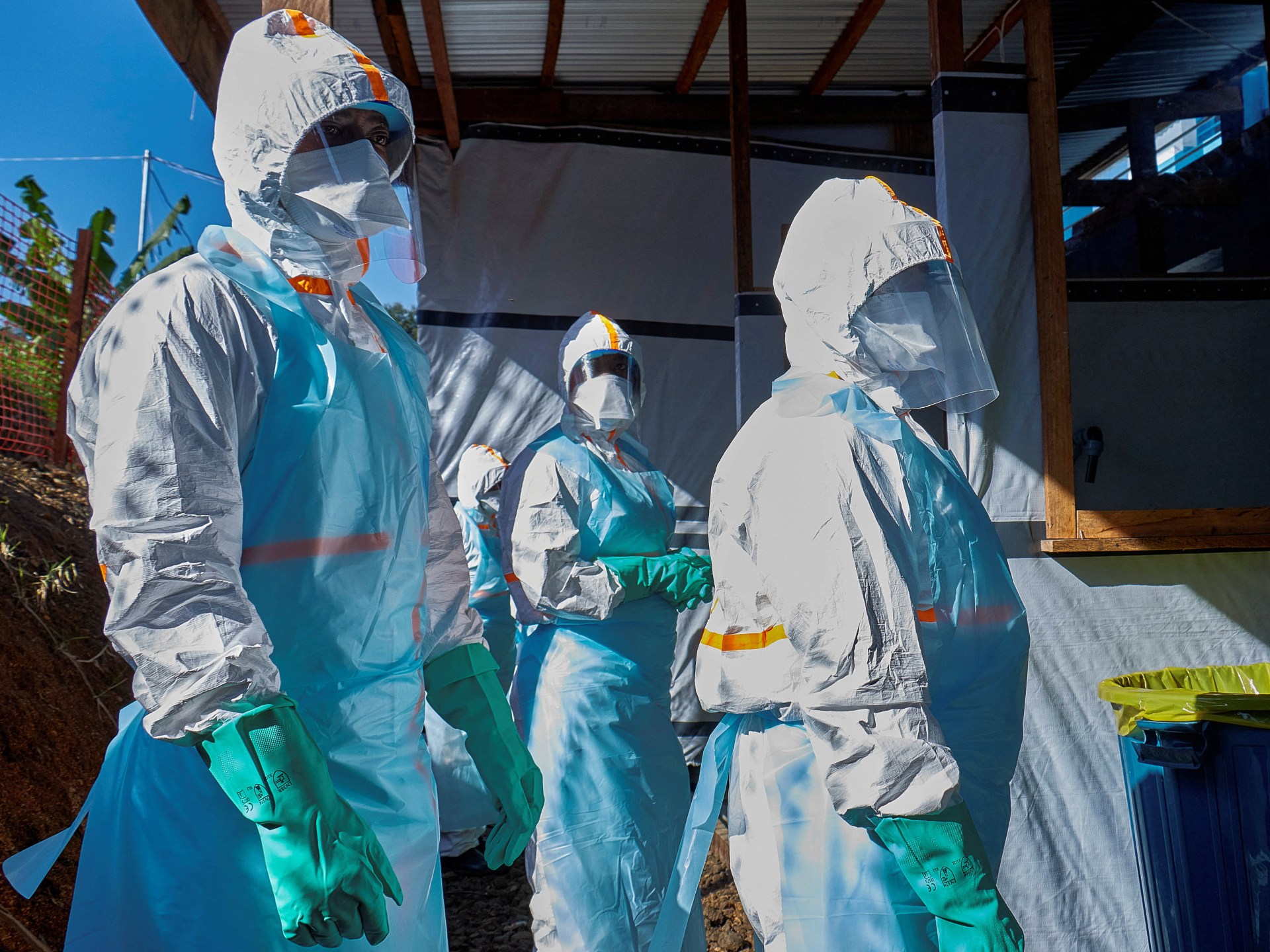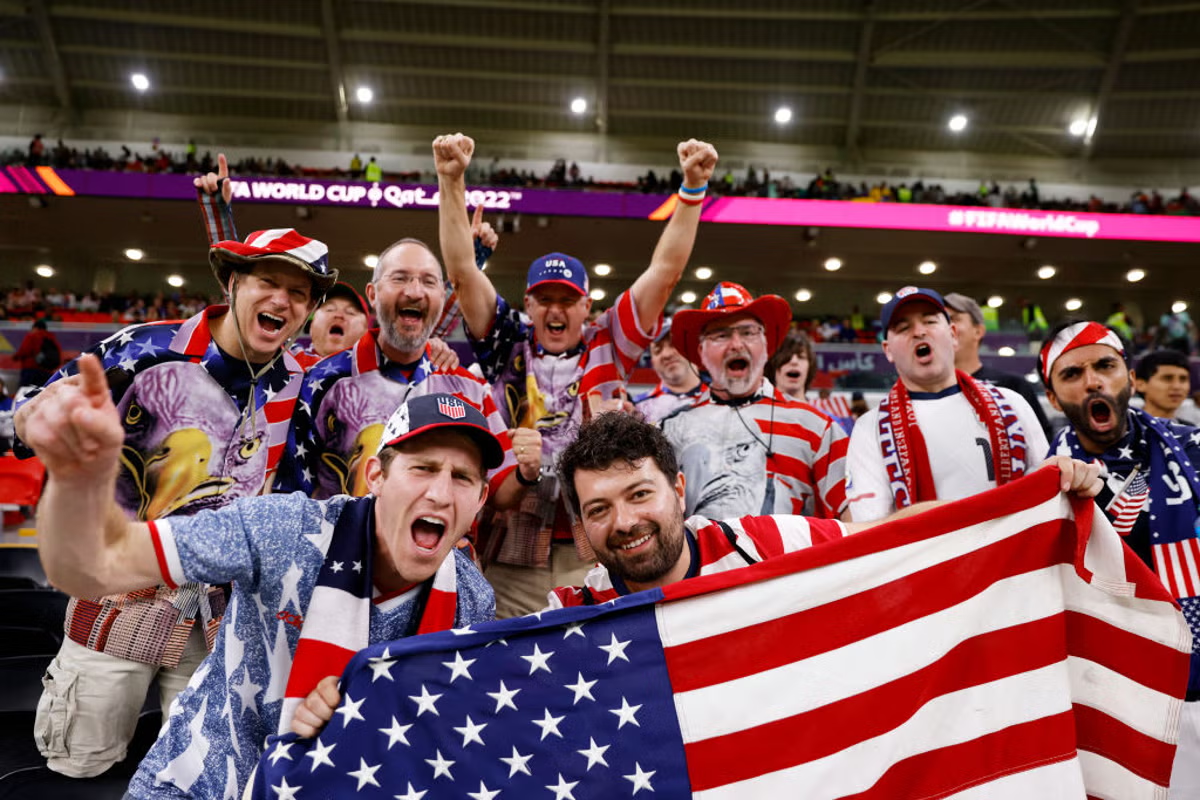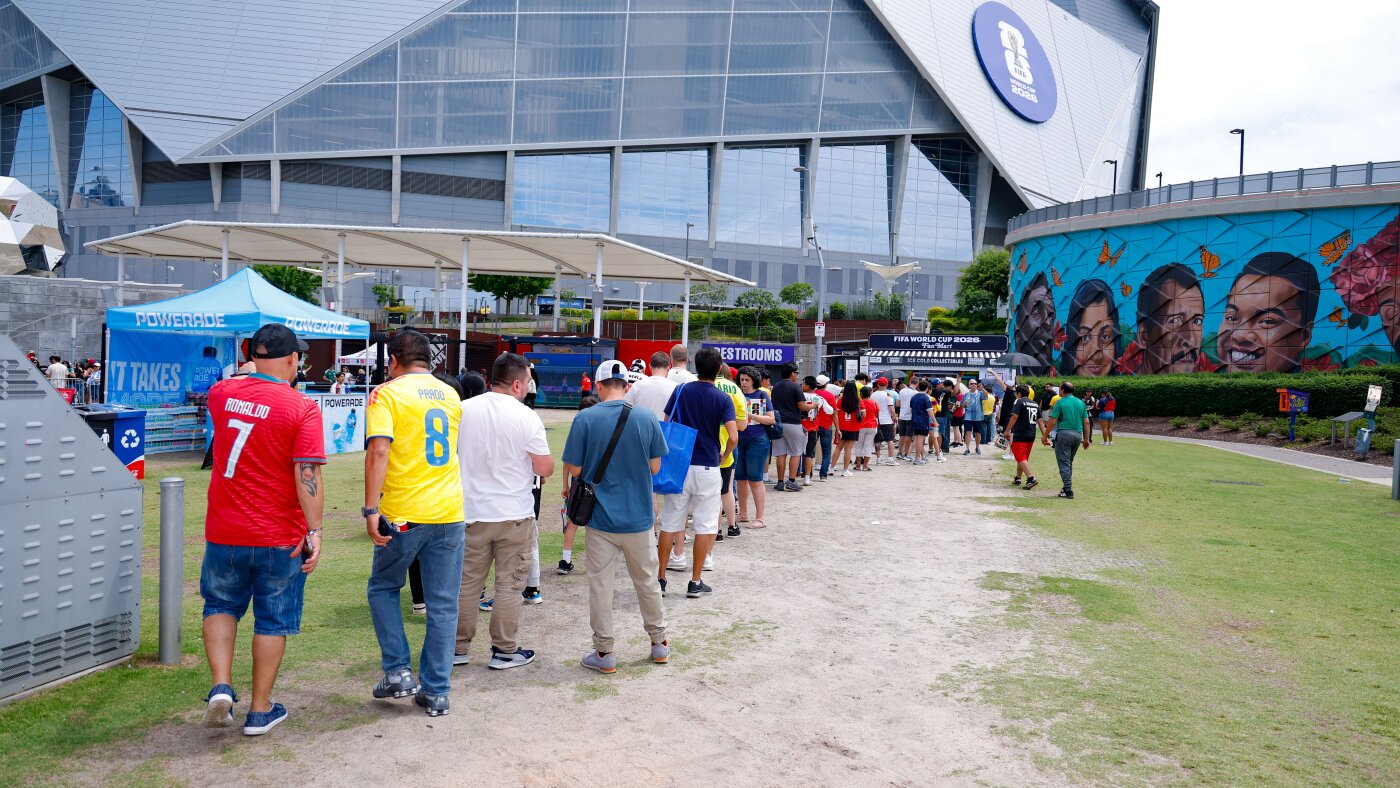
With millions of fans and tourists heading to 11 US cities for the 2026 FIFA World Cup, public health experts are raising concerns about the spread of infectious diseases from measles to Ebola, at what is being called the largest World Cup in FIFA history.Health officials across the US are preparing for possible disease outbreaks as millions of fans travel for the 2026 FIFA World Cup. (Getty)What are the health risks?The 2026 World Cup spans over a month, with 39 teams setting up training camps across the US, the first match on June 12 in California and the final on July 19 in New Jersey. Soccer fans are known to travel city to city following their teams, meaning millions of international visitors will be moving across the country throughout the tournament.Experts say the biggest disease threat is measles, not Ebola. “I would not be surprised if we saw a measles outbreak linked to the World Cup,” said Andrew Pekosz, a virologist at Johns Hopkins Bloomberg School of Public Health. “Crowds are an ideal place for measles virus to spread,” per NBC News. US measles cases in 2026 have already surpassed 2025 numbers, which marked the largest outbreak since the disease was declared eliminated in 2000. Because the incubation period can last up to three weeks, fans could be exposed in the US and carry the virus home.As for Ebola, officials say the risk is low. The CDC has imposed a 30-day travel restriction on visitors from affected regions including Congo, Uganda and South Sudan. Congo's players were instructed to isolate for 21 days before entering the US. In Houston, where Congo faces Portugal on June 17, Dr Luis Ostrosky said: “It's very unlikely we'll truly have people from the (Ebola outbreak) region here in Houston, unless they are U.S. nationals or permanent residents,” per USA Today.Other risks include flu, norovirus and food-borne illnesses. Dr Marcus Plescia of Fulton County, Georgia's Board of Health said daily inspections of temporary food vendors are “actually the biggest lift for us".Also Read: Christian Eriksen health update: Disturbing video shows Denmark footballer collapse during Ukraine matchIs the US prepared and what are the concerns?Public health experts are concerned that the US is less equipped to handle a health emergency than in previous years. The CDC has seen its staff cut by nearly 30% since last year and currently has no permanent director, per USA Today. Jennifer Nuzzo, a professor of epidemiology at Brown University's School of Public Health, warned that, “When you have a lot of people coming from all over the world gathering for extended periods of time, that is really ripe for health emergencies. So it takes resources and a plan to be able to handle that. It takes resources to make sure hospitals are ready for an influx of patients above what they normally see,” per USA Today.A senior CDC employee told USA Today that while the agency has better infrastructure than during COVID-19, “the lack of staff and loss of experience continues to be an issue,” adding that, “We've lost key experts, and many of those remaining are burned out. And we don't have the same levels of ties for strong international coordination and cooperation.”Also Read: Stacey King family: All on wife Debi King and children as Bulls legend dies at 59Boston's public health commissioner Dr. Bisola Ojikutu was also critical of the US withdrawal from the World Health Organization in January, saying: “The current federal administration has made many misguided policy changes in recent years that have made our country less prepared to combat emerging public health threats and ultimately less safe. The decision to leave the World Health Organization isolates our country and leaves us less equipped to protect the health and well-being of people in communities everywhere,” per USA Today.On the other side, HHS spokesperson Andrew Nixon pushed back, saying the CDC “mobilized resources, activated response operations, deployed personnel and resources to Africa, imposed travel restrictions, expanded traveler screening and contact tracing, enhanced hospital readiness and laboratory capacity” within hours of being notified of the Ebola outbreak, per USA Today. The CDC is also developing a dedicated World Cup data dashboard and has more than 30 staffers monitoring wastewater levels, with around 170 others on standby if states need help.
World Cup 2026 arrives amid Ebola concerns and disease outbreaks: Is the US prepared to host it? Experts explain
As millions of international fans head to US cities for the 2026 FIFA World Cup, public health experts are warning about measles outbreaks and Ebola risks.
712 words~3 min read