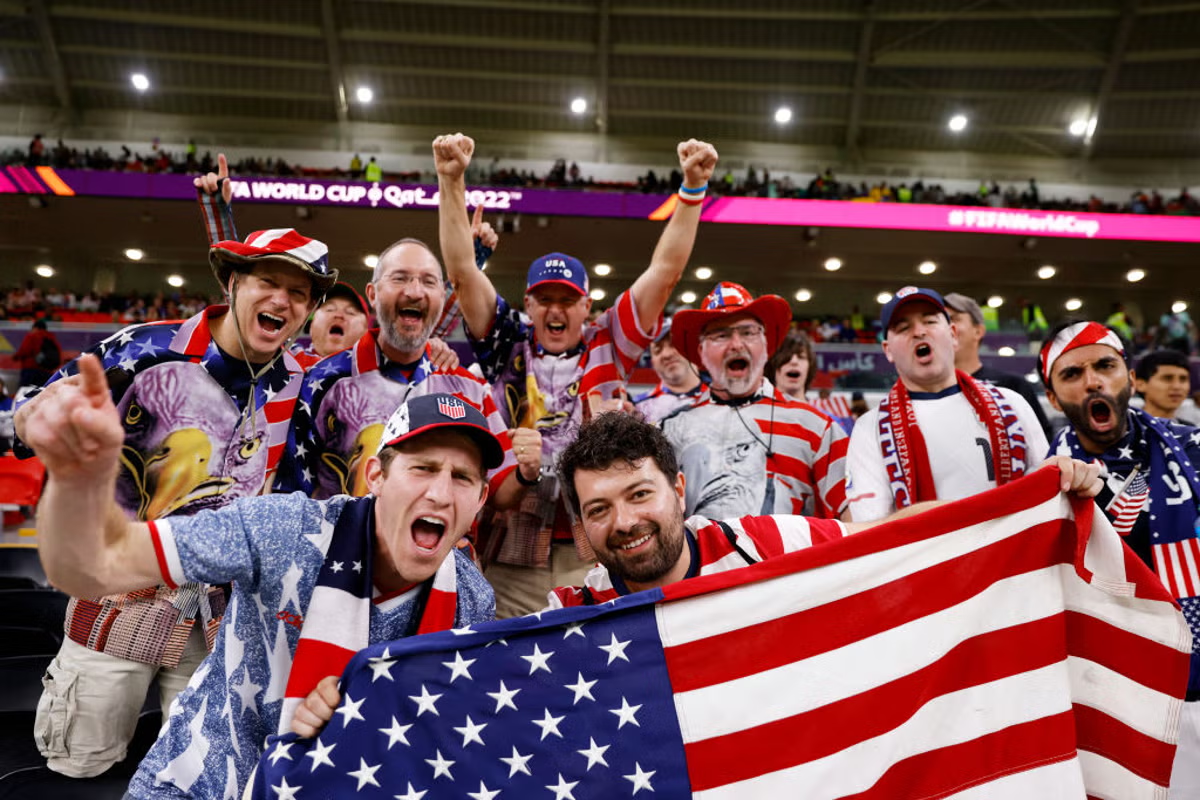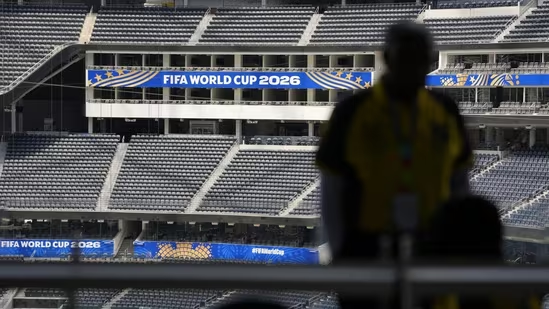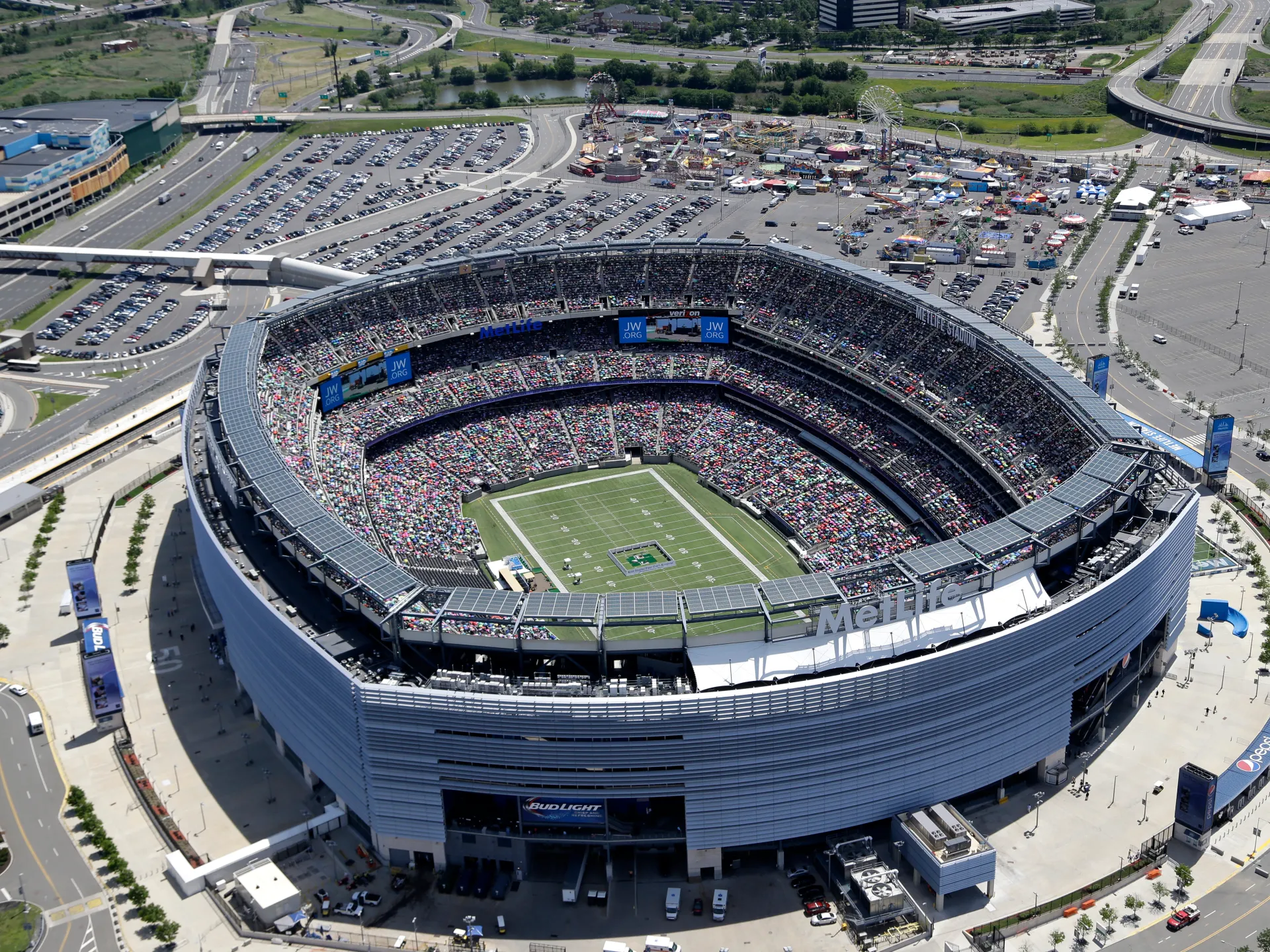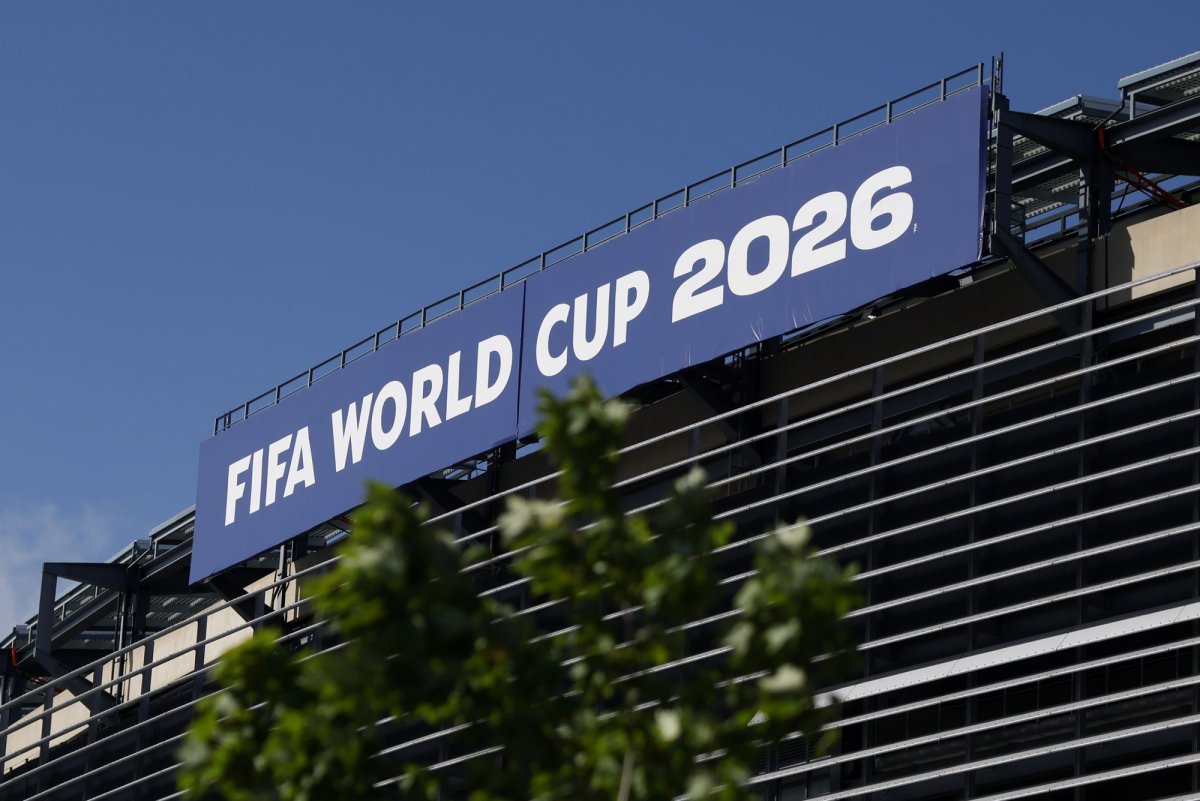
FIFA World Cup signs hang on the exterior of MetLife Stadium before it is set to host eight matches of the 2026 FIFA World Cup on May 28 East Rutherford, N.J. The World Cup 2026 host countries are the United States, Mexico and Canada and the games will take place in 16 cities. The tournament officially begins on June 11. Photo by John Angelillo/UPI | License Photo
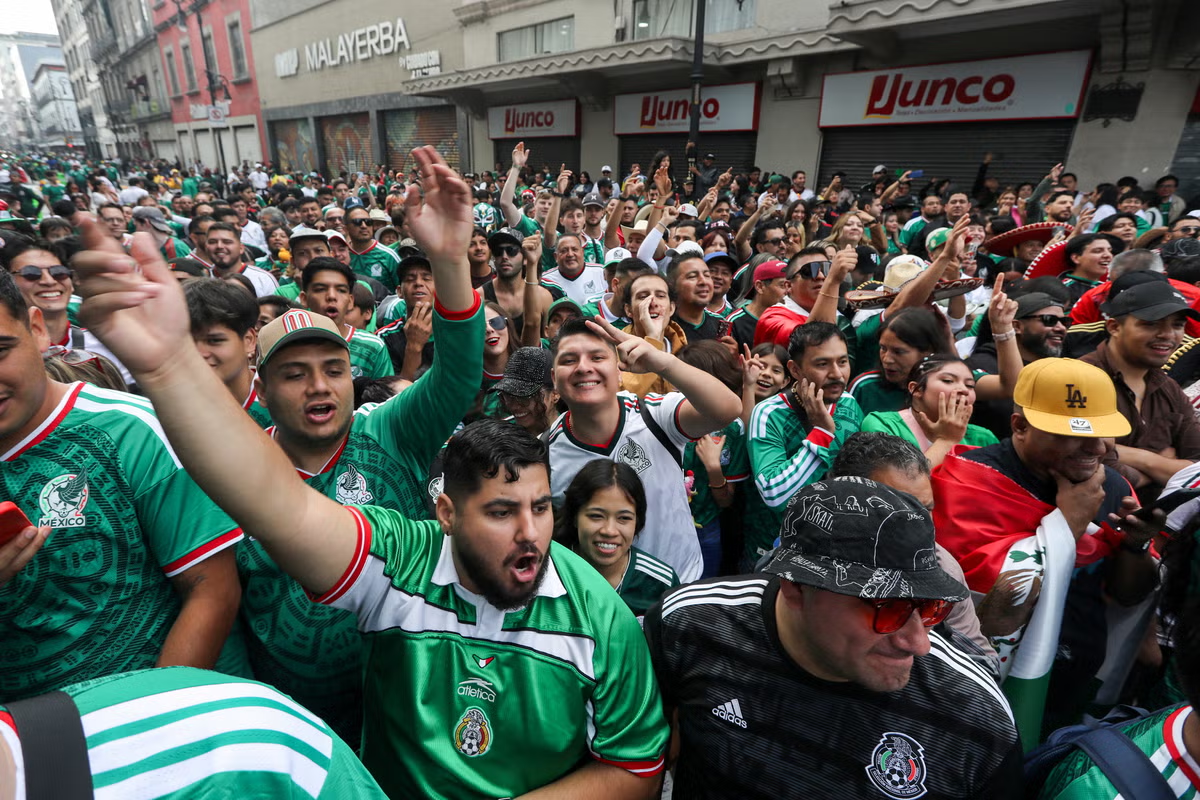
June 8 (UPI) -- When the 2026 FIFA World Cup begins on June 11, 2026, matches will be played across 16 cities in the United States, Canada and Mexico. Millions of fans will arrive through multiple airports and will pack into stadiums, airports, hotels, bars and public transit systems over five weeks.
That makes the World Cup not just a sporting event but a weekslong experiment in global mixing that creates a perfect environment for infectious diseases to spread. Events of this scale rarely cause major outbreaks, but they do create opportunities for outbreaks and for health systems to be tested.
The possibilities range from the dramatic but unlikely (an imported Ebola case) to the much more probable (flu and measles spreading through crowded venues) and the largely overlooked (spikes in sexually transmitted infections and mosquito-borne diseases gaining footholds in new areas).