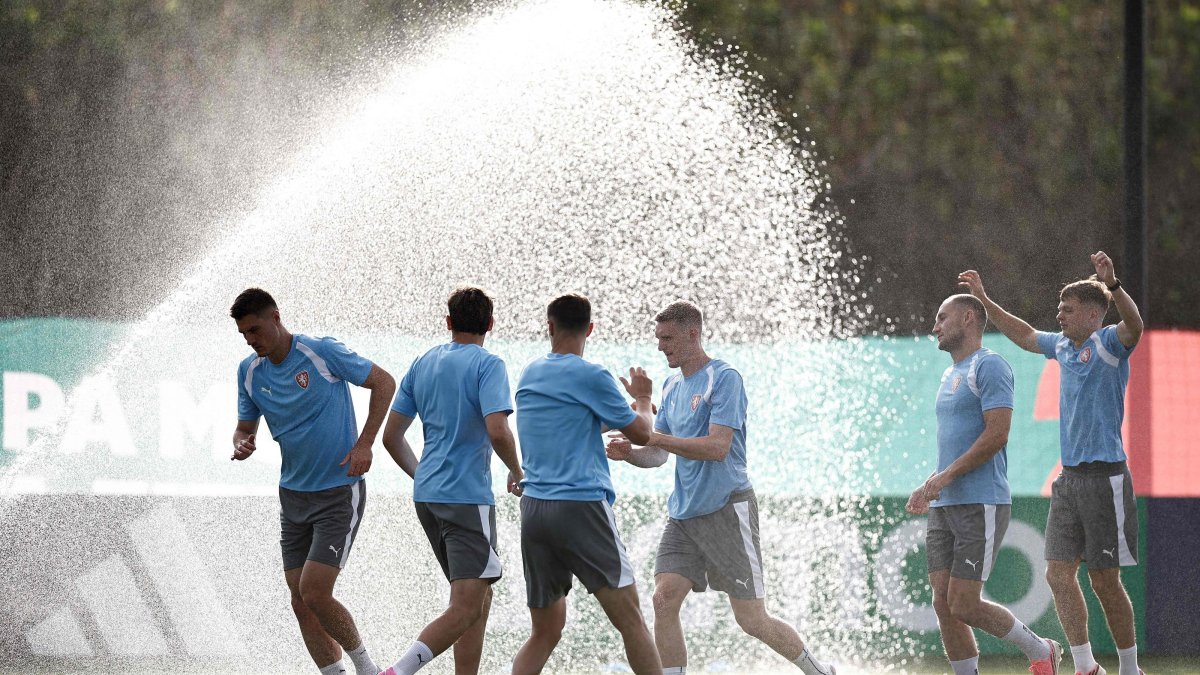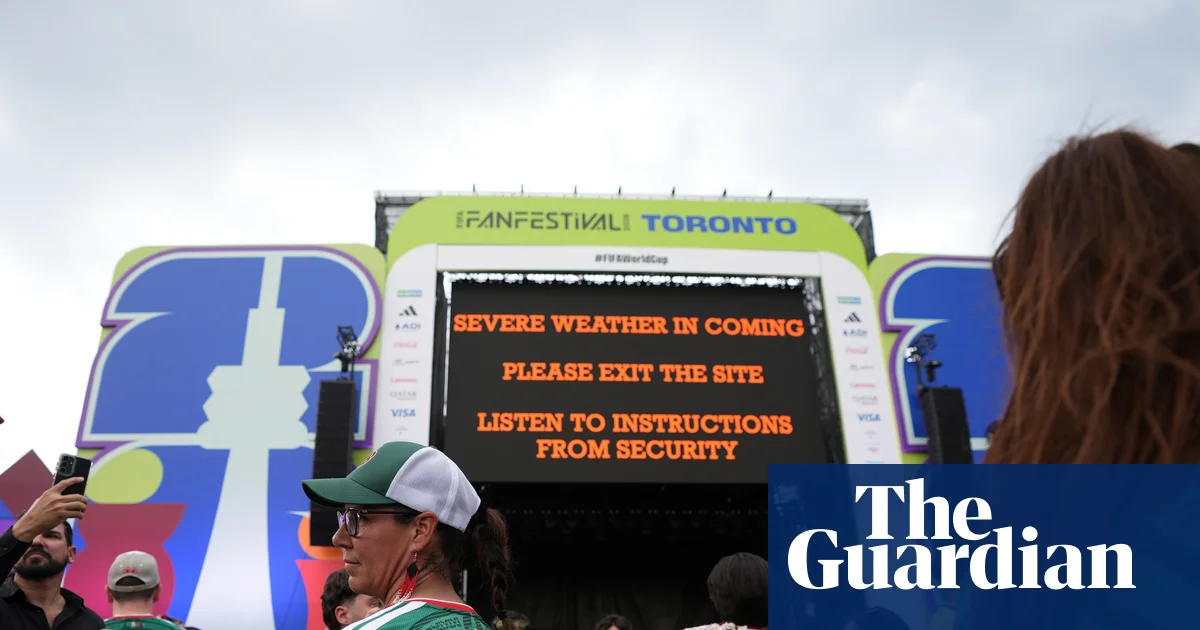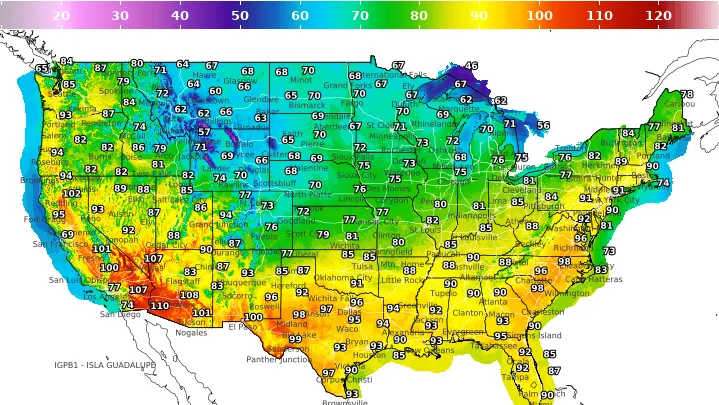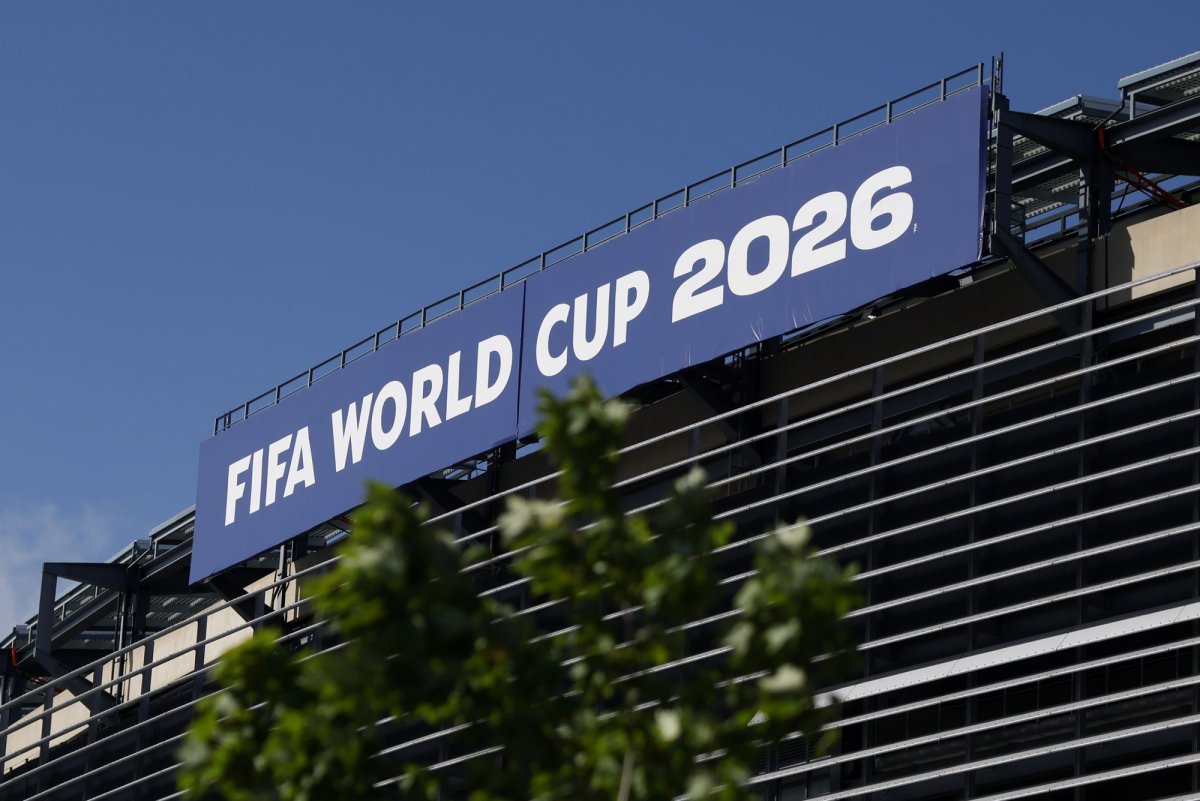
The biggest sporting event on the planet is heading into a weather minefield. The 2026 FIFA World Cup, spread across the United States, Canada, and Mexico, is scheduled to run from mid-June through mid-July, which happens to coincide with peak summer heat, suffocating humidity, and thunderstorm activity.
Over one-third of the tournament’s 104 matches are projected to exceed the wet bulb globe temperature (WBGT) threshold of 28°C, the level that FIFPro, the global players’ union, considers unsafe for professional athletes. Nearly 25% of matches could face dangerous heat and humidity combinations.
A preview from the Club World Cup
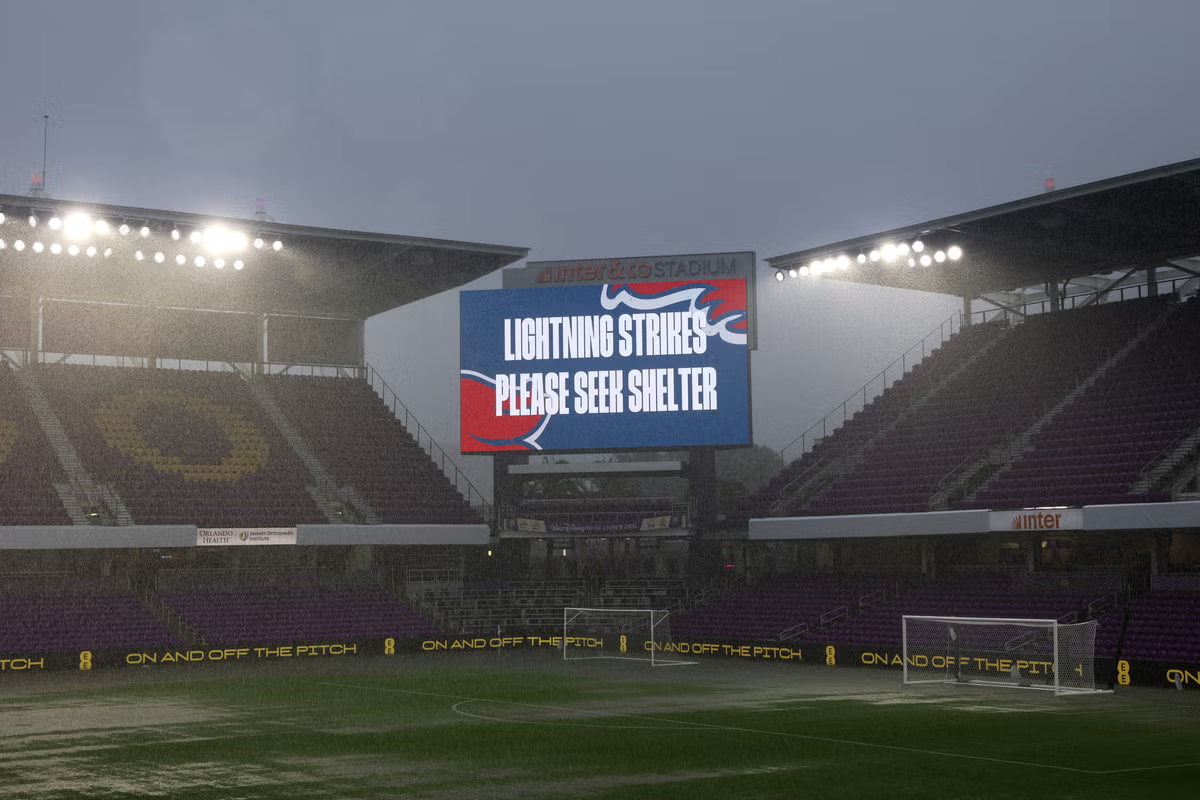
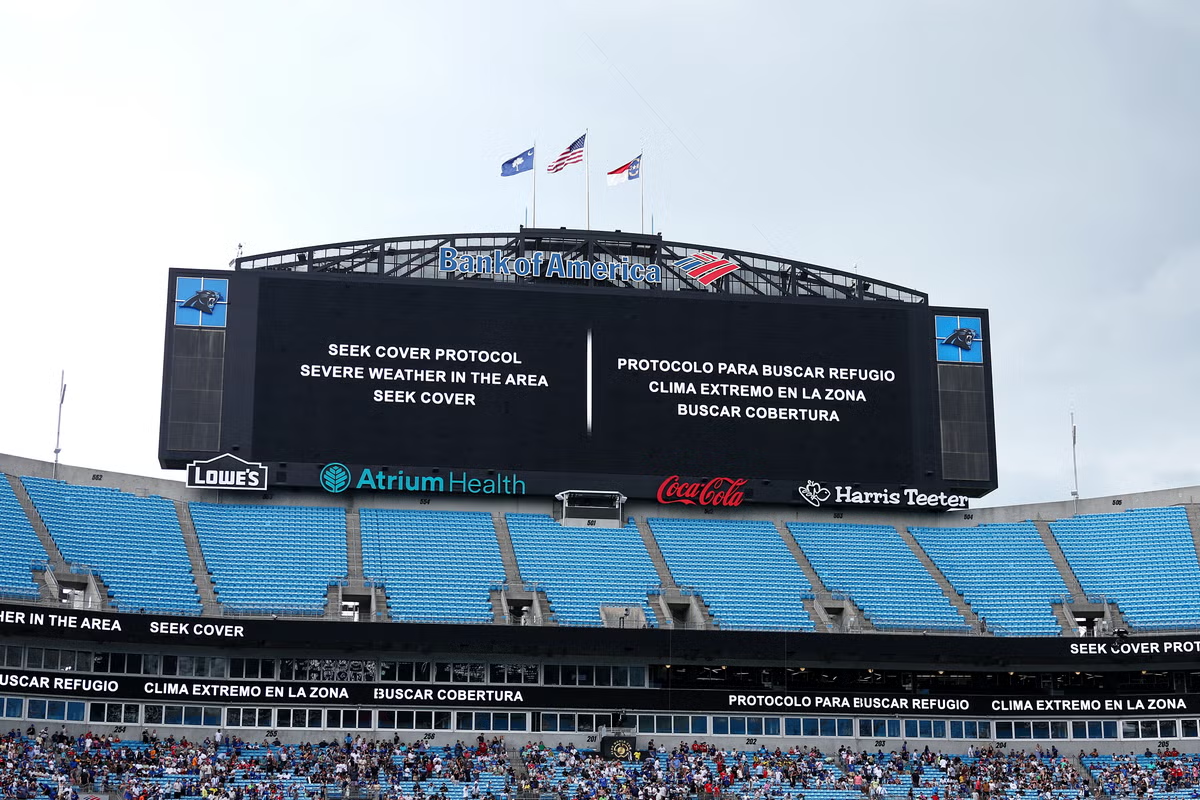
The 2025 FIFA Club World Cup, held in the US as a kind of dress rehearsal for 2026, already offered a glimpse of what’s coming. A match between Chelsea and Benfica was delayed by more than two hours due to severe weather.
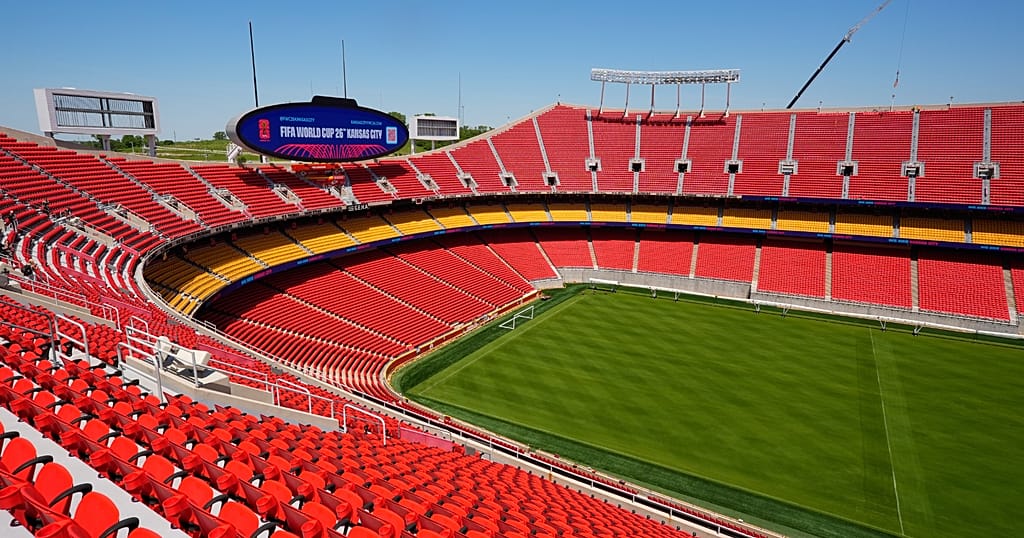
The venues most exposed to these risks include Miami, Kansas City, Philadelphia, and New York, along with certain Mexican venues, particularly those with open-air stadiums. Canadian venues are expected to fare better on the heat front.