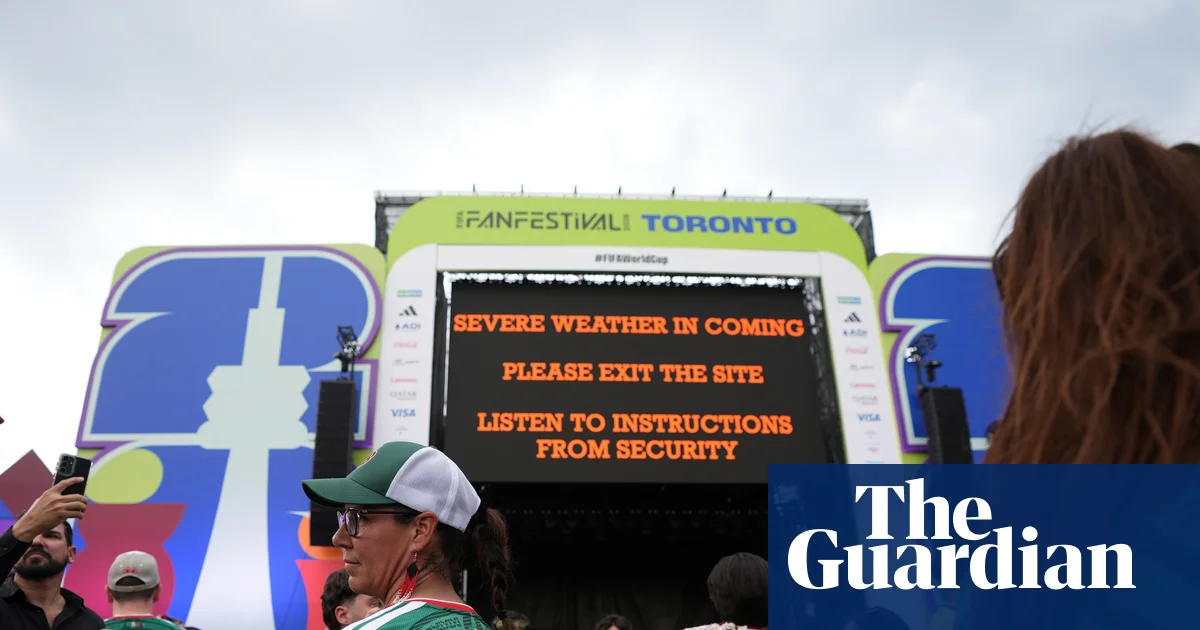
The biggest sporting event on the planet is underway, and its most formidable opponent isn’t on the pitch. It’s the weather.
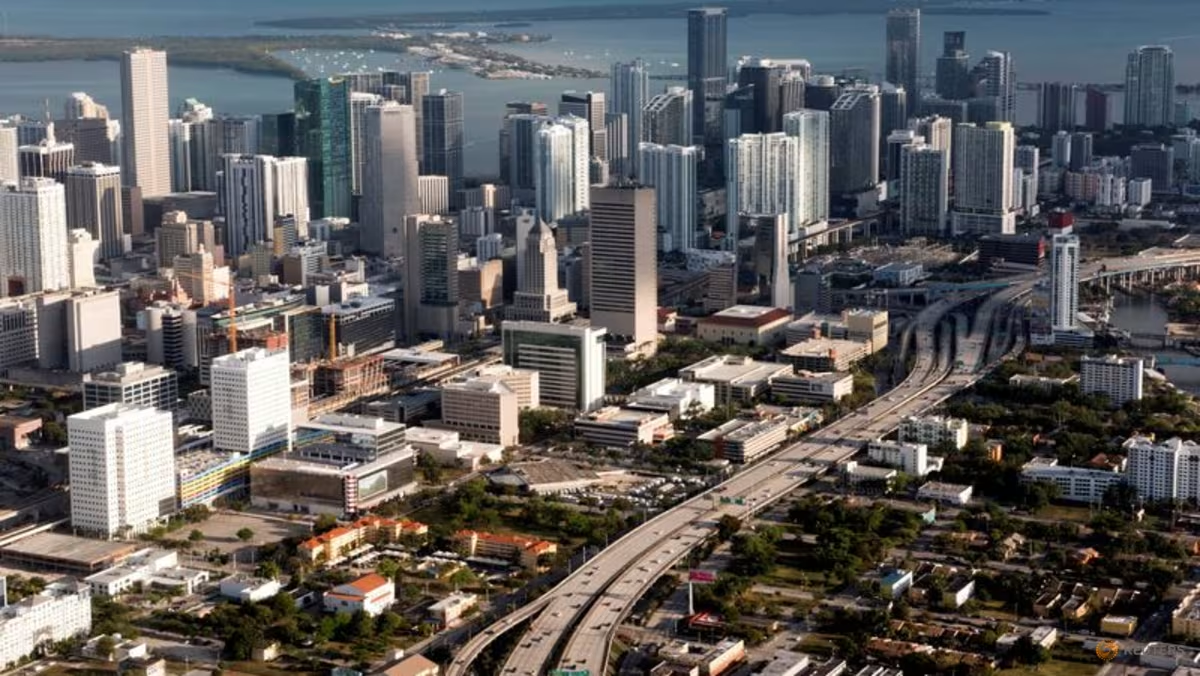
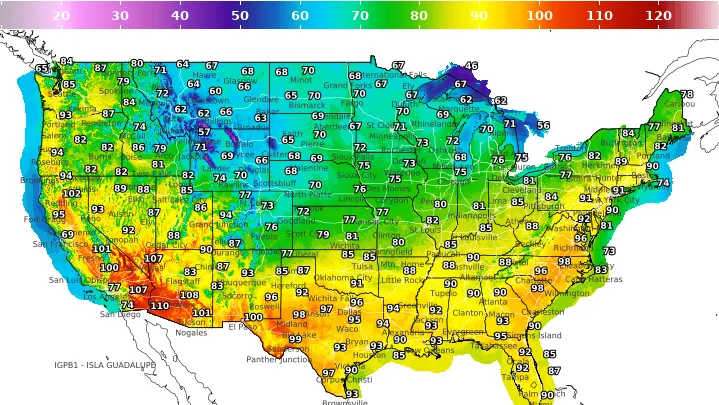
The 2026 FIFA World Cup, spread across 16 venues in the United States, Canada, and Mexico from June through July, is contending with extreme heat, suffocating humidity, and the constant threat of thunderstorm delays. Climate analyses project that 39 of the tournament’s 104 matches, more than a third, face high risk for dangerously hot and humid conditions. Southern US host cities like Dallas, Houston, Miami, and Atlanta are the worst offenders, where temperatures frequently exceed 40°C (104°F) and heat index values could approach a staggering 50°C.
A heat problem decades in the making
This isn’t the first time the World Cup has been played in warm climates. The tournament came to North America before, in Mexico in 1970 and 1986, and in the US in 1994. But historical data reveals a stark shift: extreme heat days during the June-July window have increased significantly compared to those earlier editions.
Fourteen of the 16 stadiums hosting matches this summer face extreme heat stress.