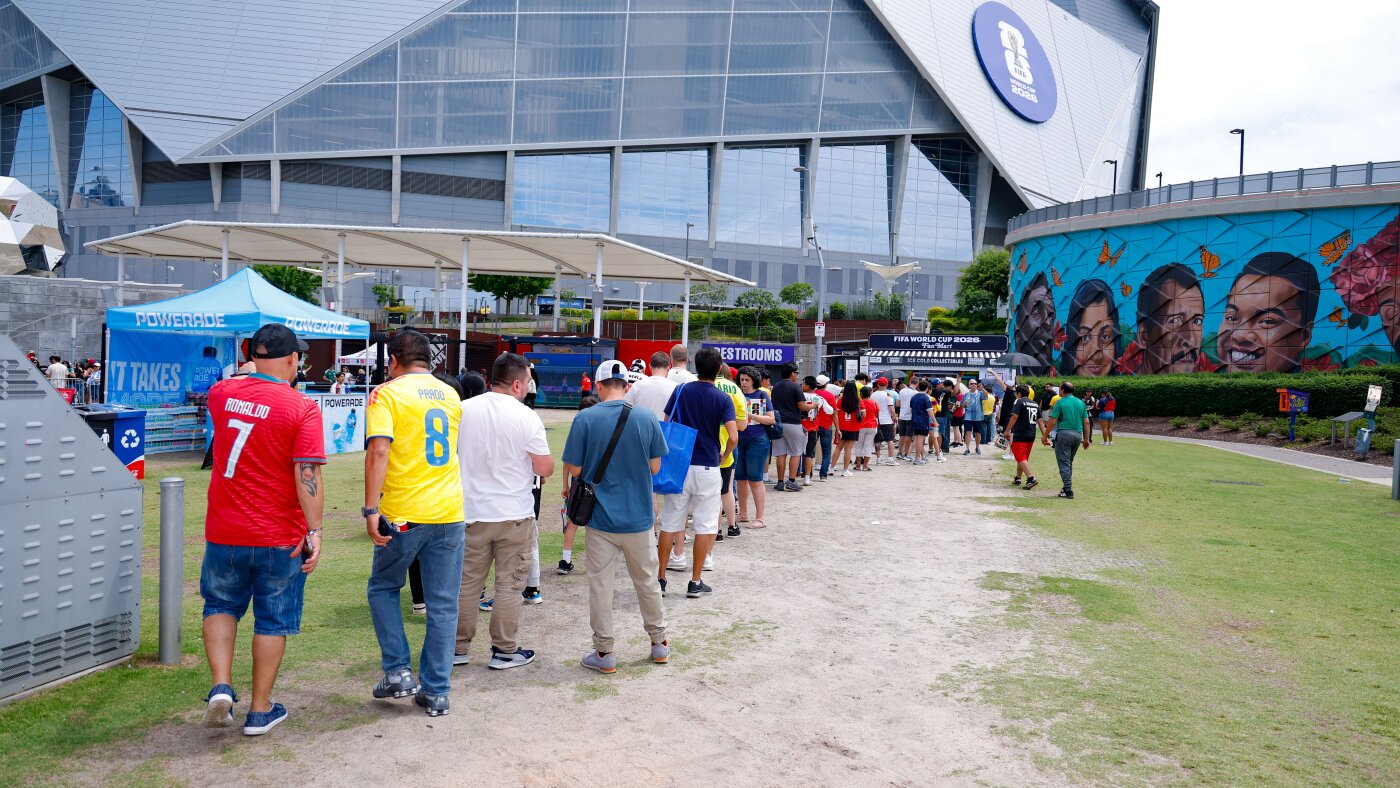
The World Cup will have the 'perfect conditions' for infectious diseases to spread, an expert has warned. The five–week event kicks off in just three days, with millions of fans set to descend on 16 cities across the US, Canada and Mexico. This rapid influx of tourists could spark outbreaks of everything from Ebola to STIs.That's according to Dr Andres Henao, Associate Professor of Medicine and Infectious Disease at the University of Colorado Anschutz, who has revealed the biggest threats health experts are watching for. Writing for The Conversation, he explained: 'Millions of fans will arrive through multiple airports and will pack into stadiums, airports, hotels, bars and public transit systems over five weeks.'That makes the World Cup not just a sporting event but a weekslong experiment in global mixing that creates a perfect environment for infectious diseases to spread. 'Events of this scale rarely cause major outbreaks, but they do create opportunities for outbreaks and for health systems to be tested.'The possibilities range from the dramatic but unlikely (an imported Ebola case) to the much more probable (flu and measles spreading through crowded venues) and the largely overlooked (spikes in sexually transmitted infections and mosquito–borne diseases gaining footholds in new areas).' The World Cup will have the 'perfect conditions' for infectious diseases to spread, an expert has warned. Pictured: Fans watching France vs Croatia at the 2018 World CupWith no approved vaccines, rapid tests, or treatments available for the most recent strain, an outbreak of Ebola could be devastating at the World Cup, Dr Henao warns. However, he reassures that this is 'unlikely'. 'The risk of Ebola reaching a World Cup stadium is very low,' Dr Henao explained. 'That's because the virus spreads only through direct contact with bodily fluids like blood or saliva, not through the air, and infected people aren't contagious until they show symptoms.'The US has banned entry for non–U.S. citizens and green card holders who have been in the affected countries in the past 21 days and is screening all passengers traveling from affected areas. 'It is also urging European countries to embrace similar procedures as World Cup travel picks up. Mexico and Canada also have travel restrictions in place.'Instead, Dr Henao says the more likely threats at the World Cup are respiratory infections that spread by coughing, sneezing and breathing. Of 'special concern' is measles, which is already surging in the US, Canada, and Mexico. Beyond respiratory infections, there's the risk of mosquito–borne diseases – particularly for matches in southern US and Mexican host cities How to stay safe at the World Cup Make sure your routine vaccinations are up to datePractice safe sexUse mosquito repellentStay home or wear a mask if you feel unwell Dr Henao warned: 'An infected fan in the stands, at an airport or in a bar could easily cause an outbreak.'Other respiratory infections that could explode at the World Cup include Covid–19 and flu. 'Big gatherings can amplify the risk of transmission,' the expert added. Beyond respiratory infections, there's the risk of mosquito–borne diseases – particularly for matches in southern US and Mexican host cities. Dengue fever cases spiked in the US in 2024, with nearly 3,800 cases – a 359 per cent jump over the prior 14–year average. Dr Henao said: 'Most cases occurred in travelers returning from the Caribbean and Central America. Still, locally acquired cases have cropped up, mainly in Los Angeles.'There's also a risk that fans will bring mosquito–borne diseases including yellow fever and Oropouche virus in from their home countries.'Travelers carrying these infections may need medical care, but familiarity with them among U.S. physicians tends to be low,' the expert warned. 'There's also a small risk that illnesses may spread locally through mosquito bites.'Finally, somewhat unsurprisingly, there's the risk of a sexually transmitted infection outbreak at the World Cup. Dr Henao said: 'About 1 in 5 international travelers engages in casual sex, according to one study, and nearly half of those encounters are unprotected.'If you're attending any of the World Cup games, Dr Henao advises taking steps to protect yourself. This includes making sure your routine vaccinations are up to date, practicing safe sex, using mosquito repellent, and staying home or wearing a mask if you feel unwell. Join the discussionHow should countries balance hosting major global events with the risks of spreading dangerous diseases?What's your view?
The World Cup could be a superspreader event, experts warn
The influx of tourists could spark outbreaks of everything from Ebola to STIs, according to Dr Andres Henao at the University of Colorado Anschutz.
723 words~3 min read