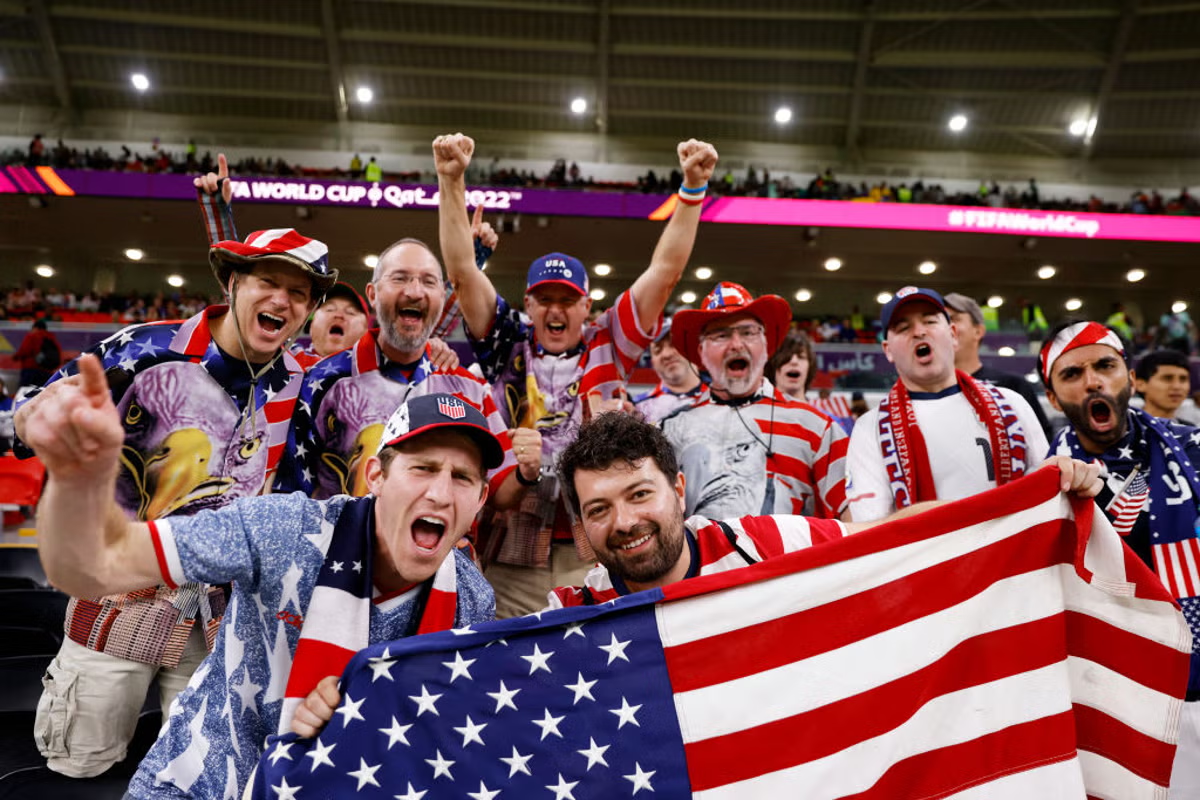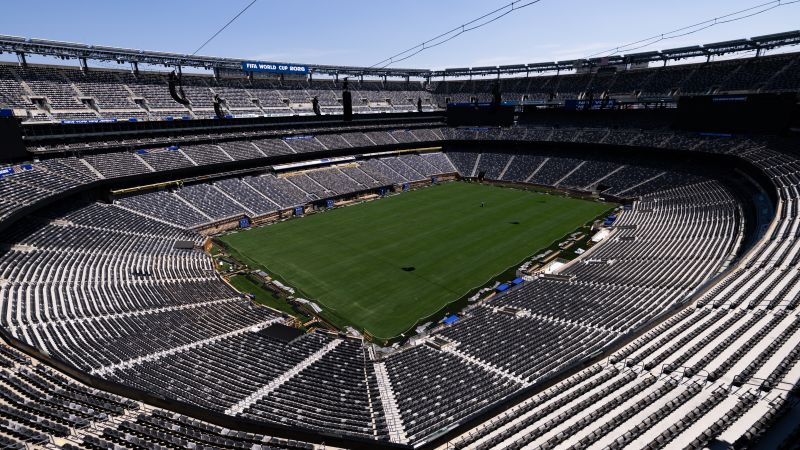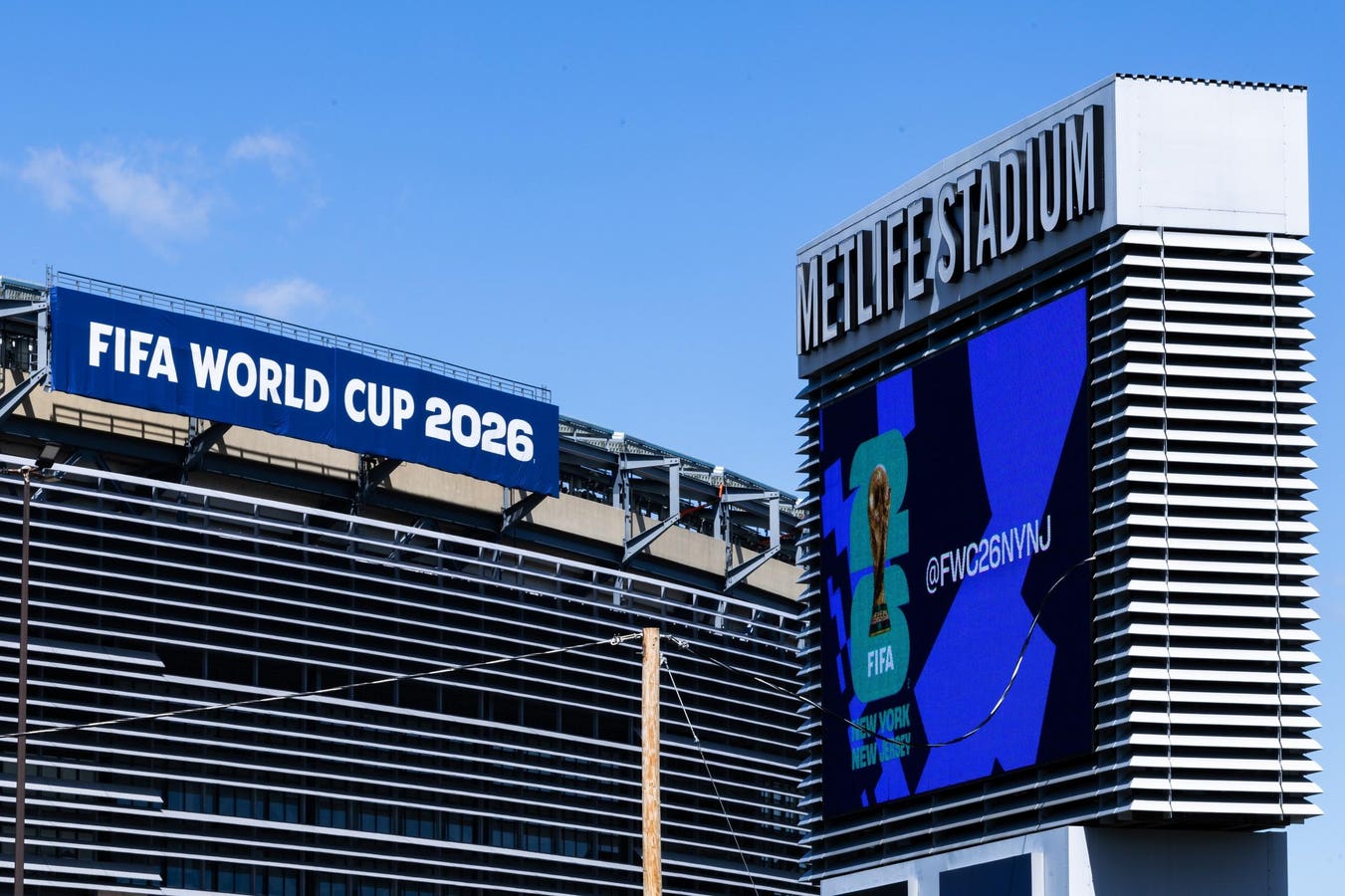
On June 11, the largest FIFA World Cup in history kicks off across 16 cities in the U.S. (11 cities), Canada, and Mexico. Over 5 million fans from around the globe will pack stadiums, fan zones, and city streets through mid-July.
For the emergency departments (EDs) in and around those host cities, the tournament is not a month of soccer. It is a month of sustained operational stress across nearly every category of acute illness and injury a clinician can encounter. The point is not panic. The point is preparedness.
Past mass gatherings make one thing clear: the medical burden is rarely defined by a single exotic threat. It is cumulative -- trauma; heat; alcohol and drugs; cardiac events; behavioral health crises; infectious disease; and the everyday emergencies that do not pause because a tournament is underway. The same triage nurse who flags a possible measles case may also be managing heat exhaustion, chest pain, an overdose, and a trauma patient within the same hour. Effective World Cup planning is all-hazards planning.
Heat Will Be the Most Reliable Driver of Volume
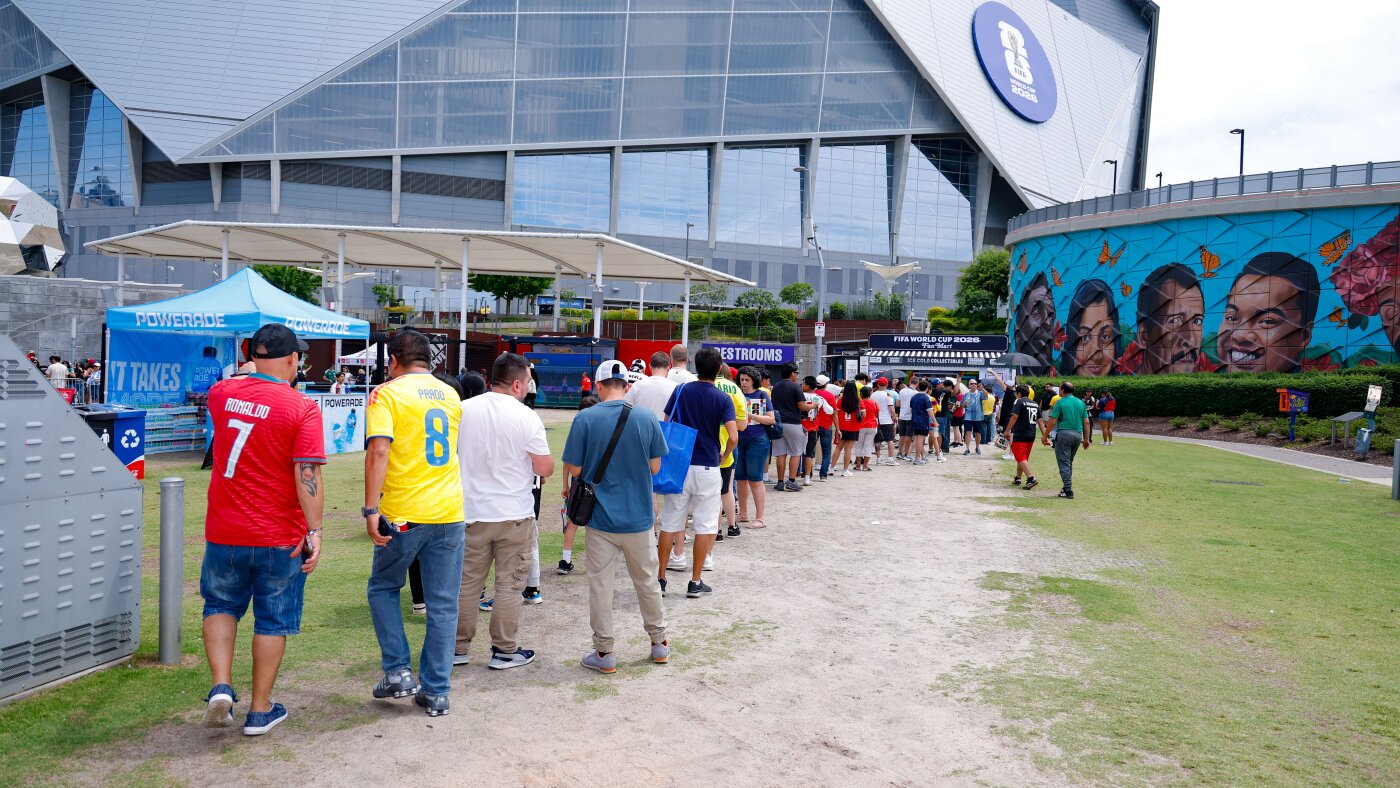
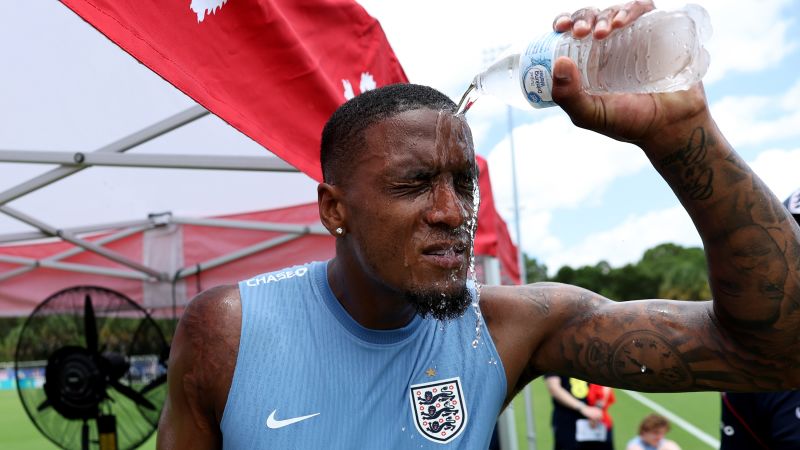
Most matches fall during a time when the summer temperature is picking up and reaching the hottest stretch of the year in the U.S. An NPR analysis found that more than one-third of World Cup matches are at high risk for dangerously hot, humid conditions, and dozens of other matches come with moderate heat risk. That means delayed trains, a long security queue, or a packed outdoor viewing area can convert a comfortable afternoon into a wave of heat exhaustion and heat stroke.