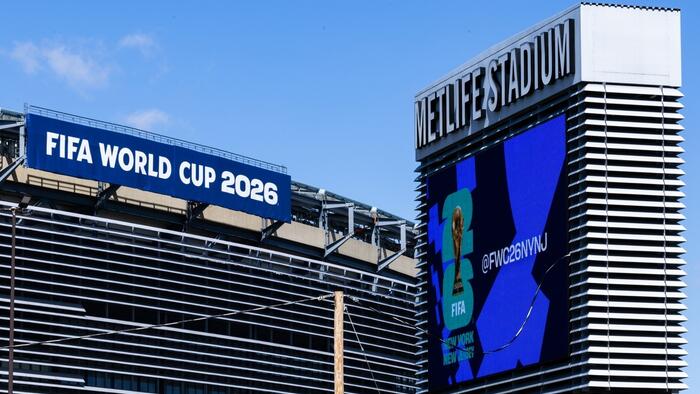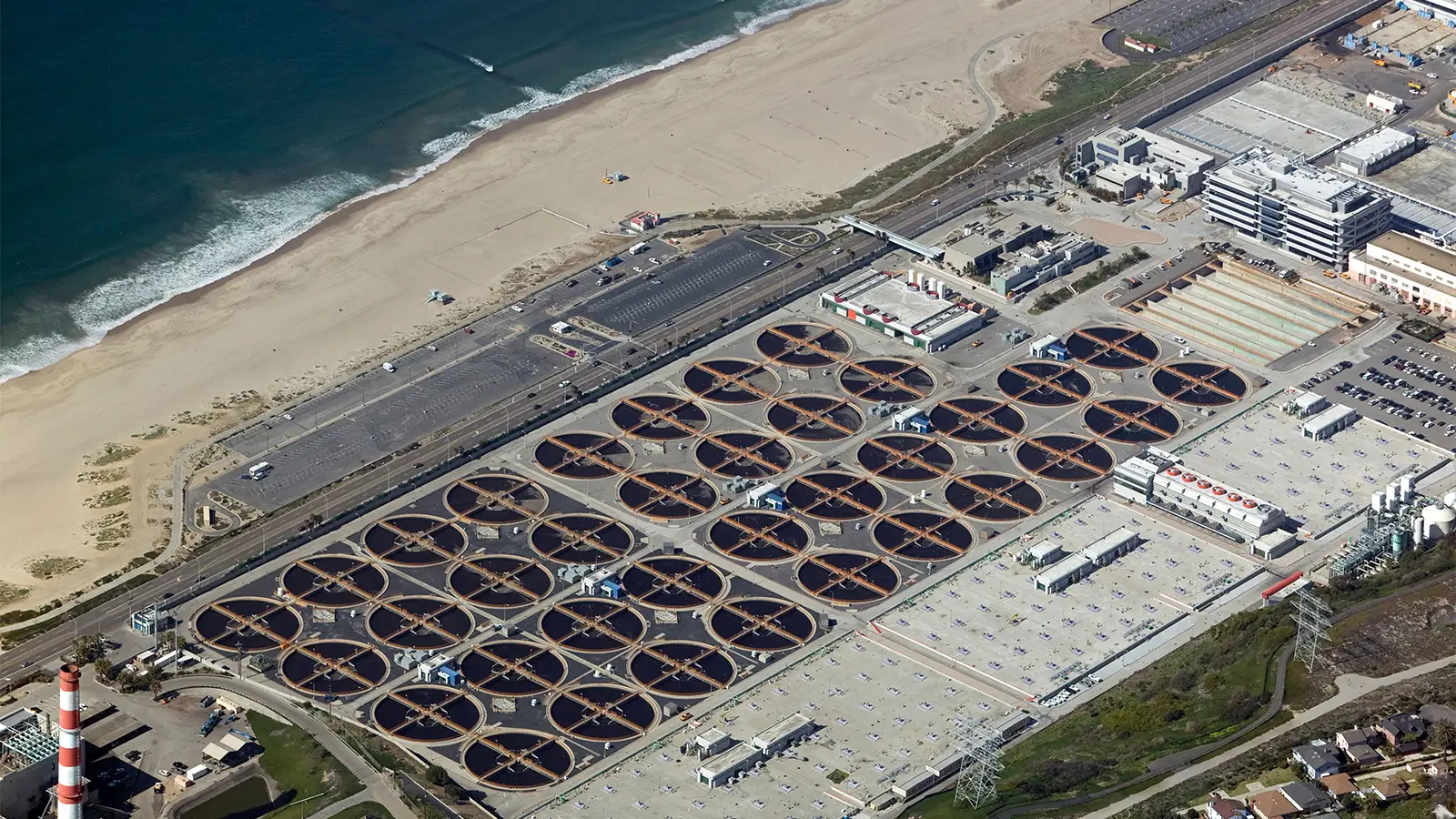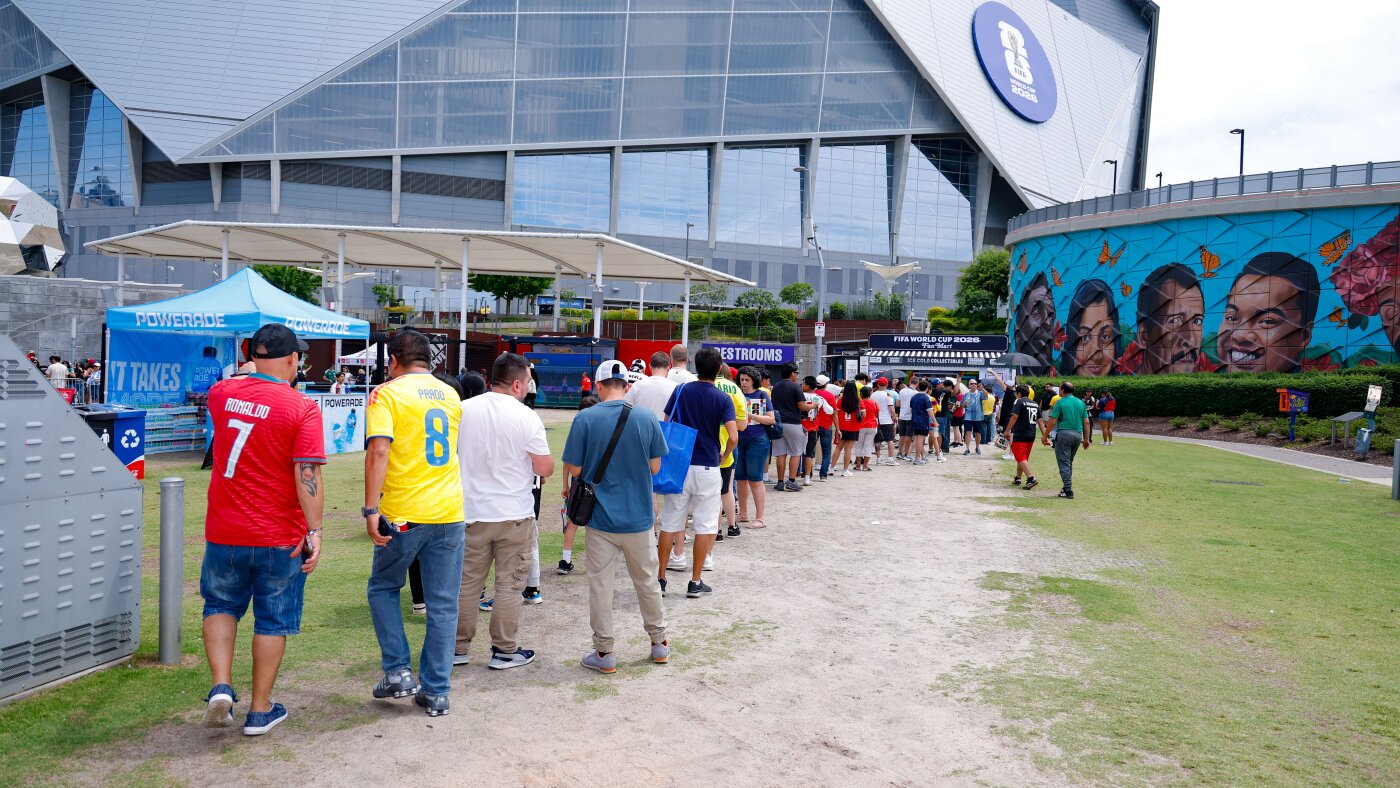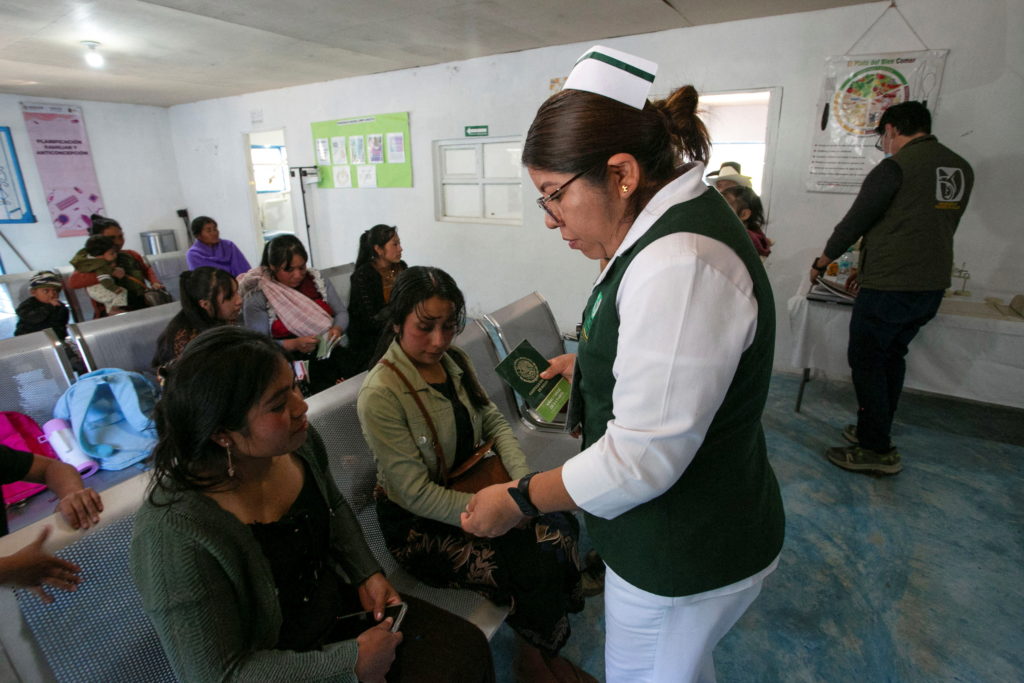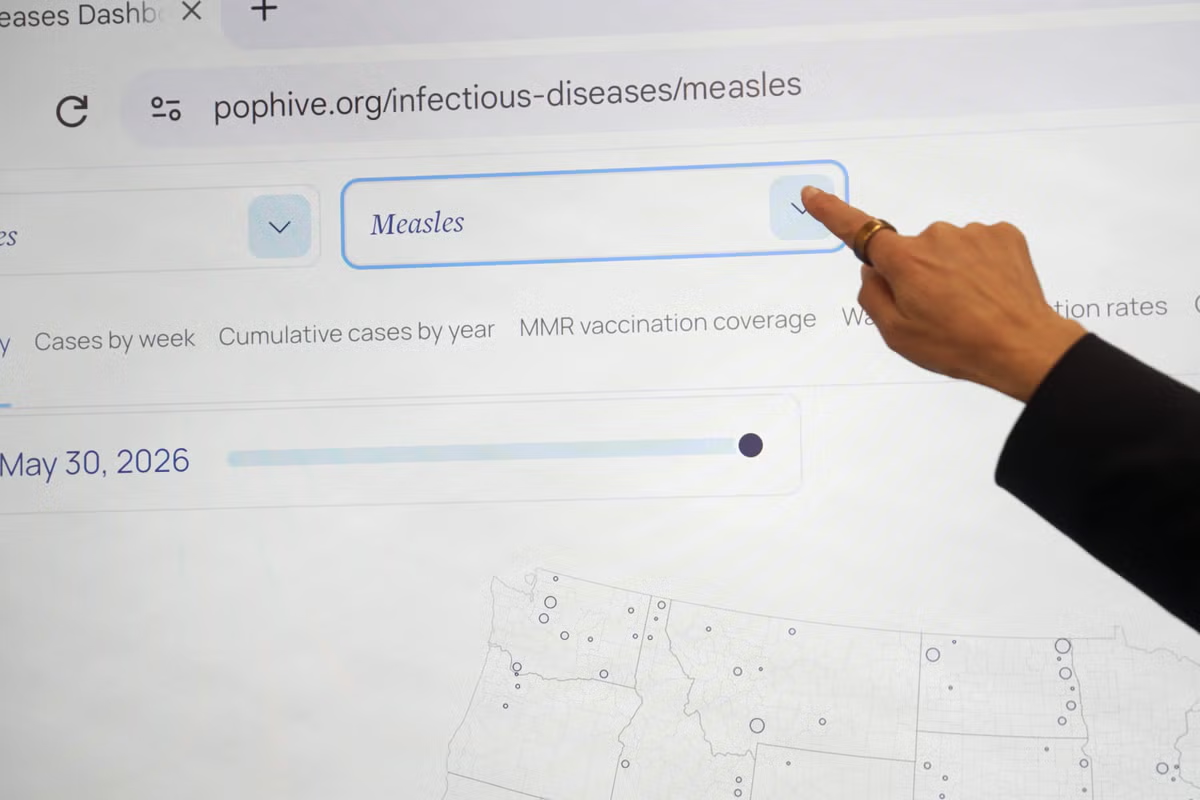
As millions of soccer fans prepare to descend upon North America for the World Cup, a specialized public health team is gearing up for a surveillance mission, sifting through sewage and social media to safeguard against severe illness.A public health squad based in Washington, D.C., plans to meticulously monitor wastewater and internet chatter. Their objective is to detect and track infectious diseases should they emerge in any of the U.S. or Canadian cities hosting World Cup players, matches, and the anticipated millions of spectators.The 39-day event, kicking off Thursday in Mexico, is expected to draw over 6.5 million fans from more than 100 countries to witness 104 games across the U.S., Canada, and Mexico. This immense scale and global travel pose a heightened risk of rapid disease transmission, health security experts warn.This challenge comes at a time when U.S. public health resources are already strained, grappling with domestic and international outbreaks of measles, Ebola, and hantavirus. Organizers of the new disease-tracking initiative attribute these exacerbated challenges to budget and staffing cuts under the Trump administration, alongside the U.S. withdrawal from the World Health Organization.GENETIC STRANDSStepping in to provide real-time data about potential threats, the newly formed team of public health experts has converted a Georgetown University laboratory into an epidemiological command post. The facility brings together academic institutions, non-profit organizations and private companies working in support of government agencies.A public health squad based in Washington, D.C., plans to monitor wastewater and internet chatter to detect and track infectious diseases (AP Photo/Julio Cortez)The team is already preparing a daily status report to flag emerging risks and any immediate need for action to hospital emergency managers and public health authorities at the local, state, federal and international level, as well as FIFA, soccer's governing body and organizer of the World Cup.The operations center, launched in collaboration with the MedStar Health regional hospital chain, is also a trial run for future events, including the 2028 Summer Olympics in Los Angeles. MedStar hosts one of the nation's 13 biocontainment units.Advanced wastewater analysis, using DNA and RNA sequencing to find genetic strands from a range of microbes without requiring laboratory culture, is a key element in monitoring infectious disease threats, said Rebecca Katz, director of Georgetown's Center for Global Health Science and Security and head of the new disease surveillance effort."It's incredibly powerful," Katz said. Her team is currently receiving such data from collection sites in the U.S. and Canada, as well as from various other health monitoring sources in all three World Cup host countries.FROM EBOLA TO MEASLESDetecting disease-causing microorganisms in wastewater can signal an outbreak in the making, giving health officials time to warn medical clinicians to look out for symptoms of diseases that might otherwise be misdiagnosed, and to urge the public to take precautions.Considerable media attention has focused on the current Ebola crisis in Africa. But Katz said the often-fatal hemorrhagic fever poses a "very low risk to the general public" in North America. The World Cup team and support staff from the Democratic Republic of Congo, the country at the epicenter of the Ebola outbreak, have been undergoing a precautionary quarantine in Belgium before traveling to the United States, although most of the players were in Europe at the time of the outbreak.Katz said her team would be paying special attention to the spread of measles, which is approaching a record for U.S. case numbers this year - around 2,000 so far - and has resurged in parts of Mexico and Canada.Additional risks are posed by mosquito-borne diseases such as dengue, also known as "breakbone fever," and a close cousin, chikungunya. Both originate in the tropics and can be carried by infected travelers and then be transmitted by mosquitoes.Katz enlisted 20 colleagues along with pro bono support and assistance from 30 other entities for her operations center. They include several wastewater surveillance companies that are collecting and screening sewage samples and sharing their data with Katz's team without charge.SOCIAL LISTENINGOther key tools include tracking anonymized data from electronic health records and scouring open-source social media platforms for information pointing to transmission clusters, Katz said.She cited a past example of public health officials pinpointing an outbreak of gastrointestinal illness from social media chatter about a sudden uptick in sales of toilet paper.The Georgetown team will augment the work of several U.S. agencies, including the Centers for Disease Control and Prevention and the Administration for Strategic Preparedness and Response, Katz said.Financial support for the center has come from a small family foundation and Georgetown, along with in-kind contributions from such partners as the University of Nebraska.
US wastewater will be screened for disease outbreaks during World Cup
The team is already preparing a daily status report to flag emerging risks and any immediate need for action
764 words~3 min read