WARPTECHNEWS · LAB
HomeAIBusinessTechArchive
WARPTECH LAB NEWS

Warptech Lab News aggrega le notizie più rilevanti da oltre 700 fonti internazionali, con classificazione AI, TL;DR sintetici e timeline cluster su singole storie.

Navigazione

  • Home
  • Archivio
  • Editor's Brief
  • Cerca
  • Il tuo account
  • Newsletter tech/AI

Informazioni legali

  • Privacy Policy
  • Termini di servizio
  • Cookie Policy

© 2026 Sparktech S.R.L. — Tutti i diritti riservati. Sito gestito e manutenuto da Sparktech S.R.L.

Sede legale: Corso Libertà 55, 13100 Vercelli (VC), Italia · P.IVA / C.F. 02835910023 · Contatti: admin@warptechlab.com

Home
Storia in 9 fonti

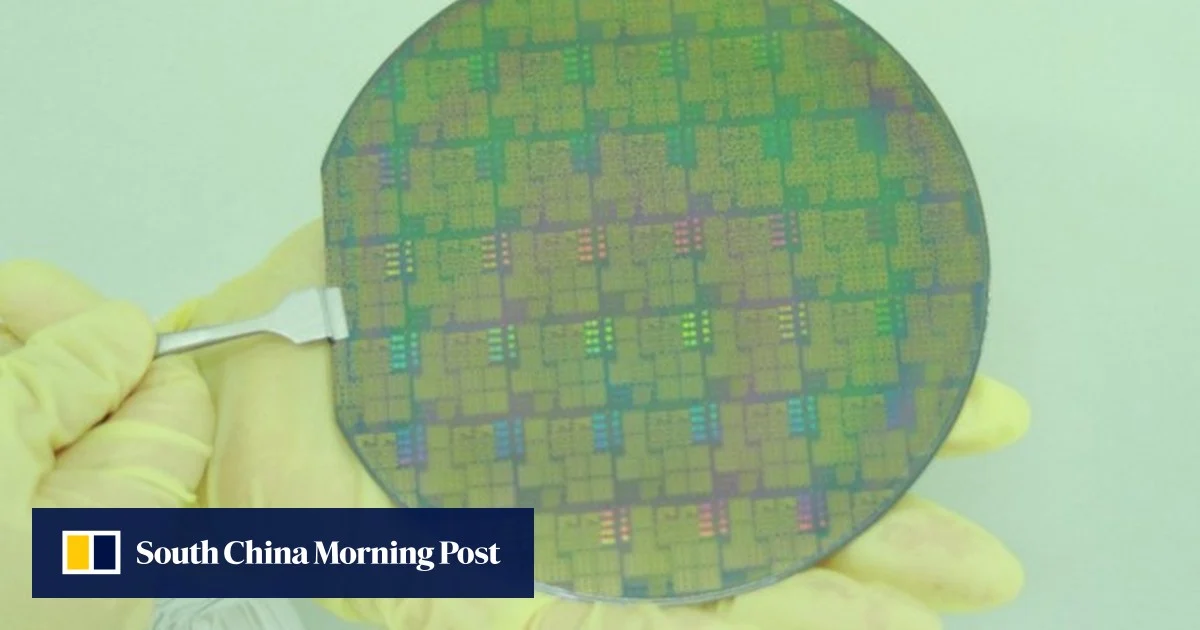
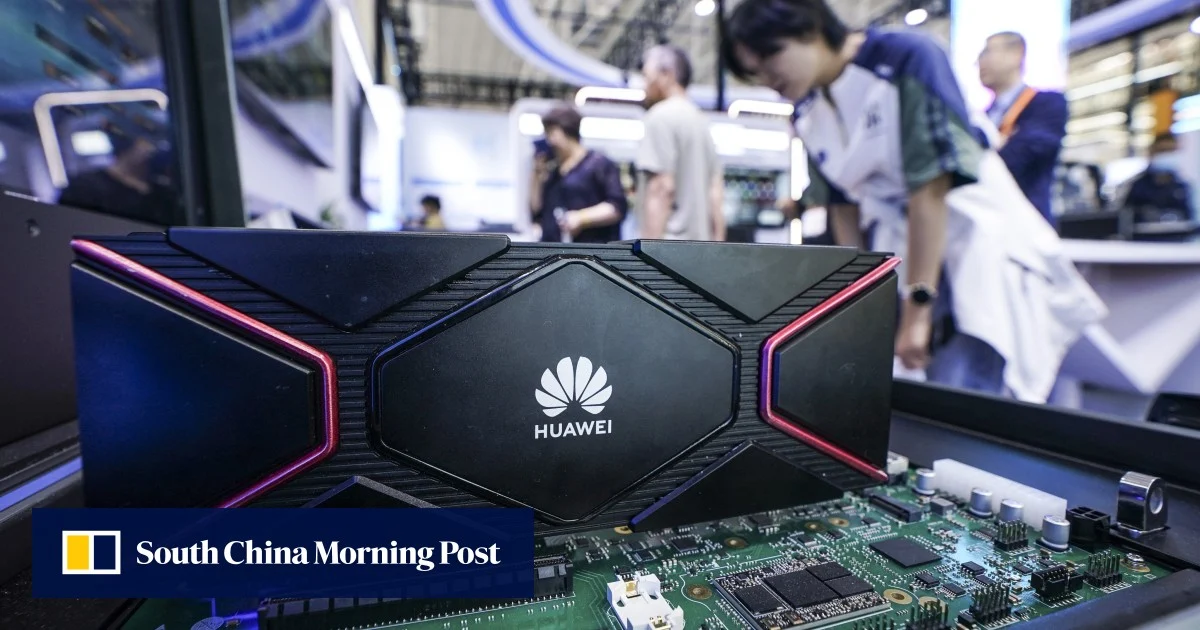
Huawei, scientists build 2D parallel computing chip that rewrites Moore’s Law

Marking a global first for 2D semiconductors, the new microprocessor overcomes silicon size limits to boost density and slash data delays.

Raccontata datomshardware.comsiliconangle.comglobal.chinadaily.com.cnkr-asia.comqz.comtheregister.comcryptobriefing.comwired.comscmp.com

Confronto fonti

6 prospettive sulla stessa storia
AI · summaries
scmp.comStai leggendo5 g fa

Huawei, scientists build 2D parallel computing chip that rewrites Moore’s Law

Marking a global first for 2D semiconductors, the new microprocessor overcomes silicon size limits to boost density and slash data delays.

originale

Timeline cronologica

  1. lunedì 25 maggio 2026·tomshardware.com

    Huawei claims sanctions-busting breakthrough with 1.4nm-class chips by 2031, claims 55% higher transistor density — firm claims new…

    Flagship Huawei Mate 90 series will be the first commercial processors to feature the LogicFolding architecture

  2. martedì 26 maggio 2026·siliconangle.com

    China's Huawei unveils new sanctions-busting chip architecture that replaces Moore's Law - SiliconANGLE

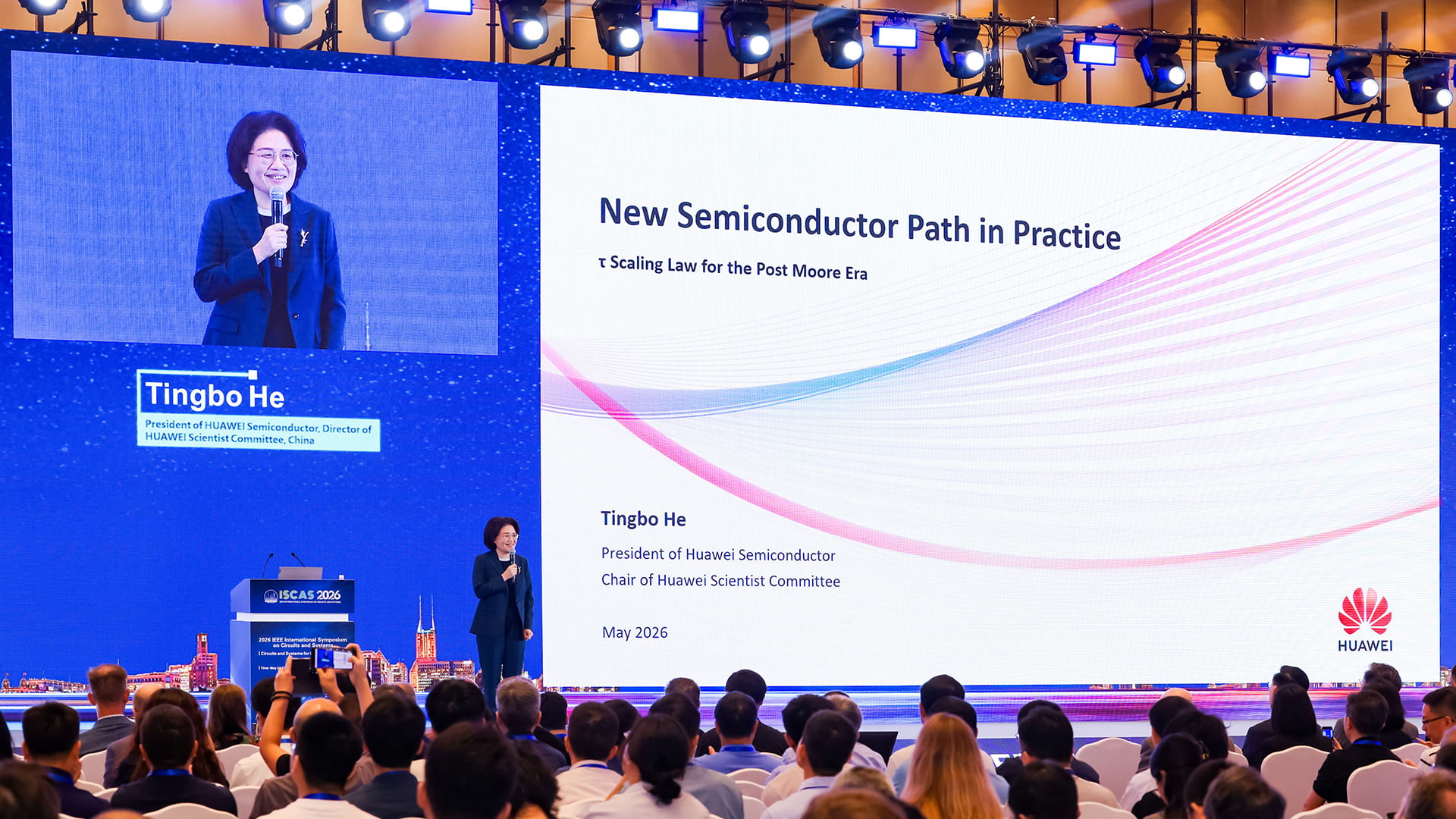
    China's Huawei unveils new sanctions-busting chip architecture that replaces Moore's Law - SiliconANGLE
tomshardware.com
8 g fa

Huawei claims sanctions-busting breakthrough with 1.4nm-class chips by 2031, claims 55% higher transistor…

Flagship Huawei Mate 90 series will be the first commercial processors to feature the LogicFolding architecture

Leggi questa versione → originale
qz.com7 g fa

Huawei LogicFolding chip design aims to match 1.4nm by 2031

The Chinese tech giant says its new stacked-chip architecture can deliver transistor density equivalent to 1.4nm processes by 2031, without access to advanced lithography tools

Leggi questa versione → originale
siliconangle.com7 g fa

China's Huawei unveils new sanctions-busting chip architecture that replaces Moore's Law - SiliconANGLE

Huawei unveiled LogicFolding, a stacked dual-layer chip architecture based on its proprietary Tau Scaling Law, targeting 55% transistor density gains and 1.4nm-class performance by 2031 — without EUV lithography machines blocked by U.S. sanctions. If the roadmap holds, it gives China a credible domestic alternative to TSMC/Nvidia for AI datacenter silicon, reshaping the assumption that export controls alone can contain Chinese semiconductor advancement.

Leggi questa versione → originale
kr-asia.com7 g fa

Huawei proposes “Tau scaling law” to extend chip advances beyond Moore’s law

The framework could help Huawei’s chips achieve 1.4-nm-equivalent transistor density by 2031.

Leggi questa versione → originale
global.chinadaily.com.cn7 g fa

Huawei unveils cutting-edge chip-development framework

Huawei Technologies Co expects its premium chips to achieve transistor density equivalent to 1.4-nanometer processes by 2031 under a new semiconductor development framework, the company announced on Monday at a…

Leggi questa versione → originale
  • martedì 26 maggio 2026·global.chinadaily.com.cn

    Huawei unveils cutting-edge chip-development framework

    Huawei Technologies Co expects its premium chips to achieve transistor density equivalent to 1.4-nanometer processes by 2031 under a new semiconductor development framework, the…

  • martedì 26 maggio 2026·kr-asia.com

    Huawei proposes “Tau scaling law” to extend chip advances beyond Moore’s law

    The framework could help Huawei’s chips achieve 1.4-nm-equivalent transistor density by 2031.

  • martedì 26 maggio 2026·qz.com

    Huawei LogicFolding chip design aims to match 1.4nm by 2031

    The Chinese tech giant says its new stacked-chip architecture can deliver transistor density equivalent to 1.4nm processes by 2031, without access to advanced lithography tools

  • martedì 26 maggio 2026·theregister.com

    Huawei's chip law looks less like Moore and more like marketing

    Chinese tech biz shows off clever workaround for its process node gap, but it isn't catching up with Intel and TSMC

  • mercoledì 27 maggio 2026·cryptobriefing.com

    Huawei unveils new chip design approach, sparking investor interest in Chinese semiconductor stocks

    Huawei's Tau Scaling Law and LogicFolding 3D architecture aim to bypass US sanctions by rethinking chip design, targeting 1.4nm-equivalent density by 2031.

  • mercoledì 27 maggio 2026·wired.com

    Huawei's ‘Chip Queen’ Throws Down the Gauntlet

    The Chinese company is adapting to the demise of Moore’s Law, which guides chip production. It could complicate US chip dominance.

  • giovedì 28 maggio 2026·scmp.com

    Huawei, scientists build 2D parallel computing chip that rewrites Moore’s Law

    Marking a global first for 2D semiconductors, the new microprocessor overcomes silicon size limits to boost density and slash data delays.

  • venerdì 29 maggio 2026·cryptobriefing.com

    Huawei plans to narrow semiconductor gap with TSMC using novel chip architecture

    Huawei unveiled Tau Scaling Law and LogicFolding technology to match TSMC's 1.4nm chip density by 2031 without EUV lithography machines blocked by US sanctions.

  • sabato 30 maggio 2026·scmp.com

    Is Huawei’s new chip scaling law a true breakthrough, or mere hype?

    Company says 3D design can deliver world-beating chips without the best chipmaking gear, rewriting the playbook for China’s tech future.