Government does not have to keep petrol artificially cheap forever. It needs to make transport, electricity, food production and household incomes progressively less dependent on cheap petrol… That is the conversation I want to hear from serious presidential candidates in 2027.
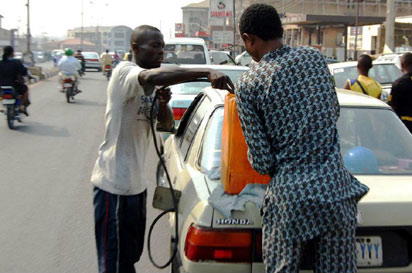
On 29 May, 2023, petrol was selling at roughly ₦195 per litre at the prevailing official pump price in many parts of Nigeria. Within days of President Tinubu’s declaration that “subsidy is gone,” prices jumped dramatically, with the NNPC subsequently announcing new prices ranging from about ₦488 to ₦555 per litre depending on location.
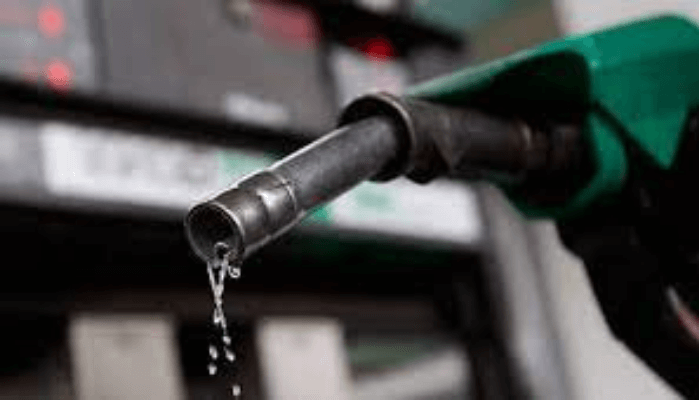
Today, petrol is selling at roughly ₦1,230–₦1,300 per litre, depending on location and filling station. Working with the upper end of those two figures — ₦195 and ₦1,300 — returning petrol to ₦195 would require a subsidy of about ₦1,105 per litre.
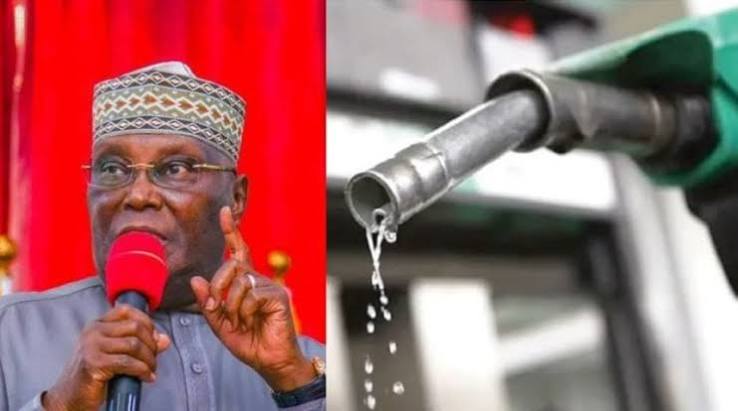
The question proponents of subsidy reinstatement — including Alhaji Atiku Abubakar — need to answer is simple: What price are they actually promising Nigerians? Are they proposing to return petrol to the pre-Tinubu price of ₦195, or to some other price?
Because the numbers matter.