The gist of my original piece remains profound: fight corruption within the subsidy regime, not the masses.
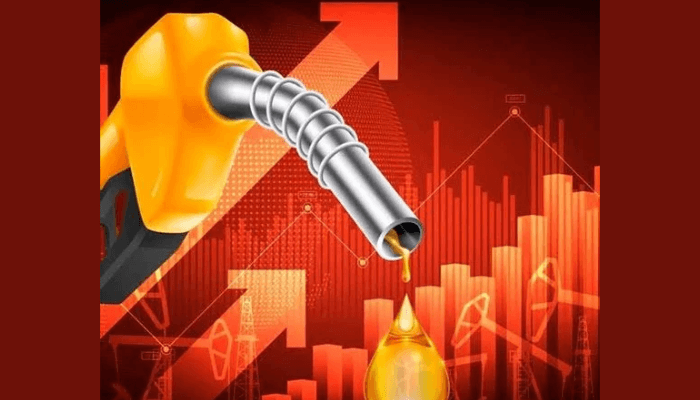
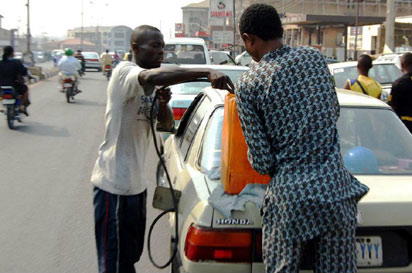
The debate on the oil subsidy is back on the front burner. But I have been consistent on this issue regardless of the government in power or whose ox is gored. In the year 2015, I authored the piece, "Removing the oil subsidy is a lame excuse." The wisdom of that warning has never been clearer. The removal of the oil subsidy by the Tinubu administration has plunged Nigeria headfirst into its worst economic crisis in national history. Governments exist to protect their people from the harsh volatility of global markets, not to surrender them to it. Governments exist to prioritize the welfare of its citizens, not the politics of the moment. The truth is that the country never had a subsidy problem; it has a corruption problem.
The gist of my original piece remains profound: fight corruption within the subsidy regime, not the masses.
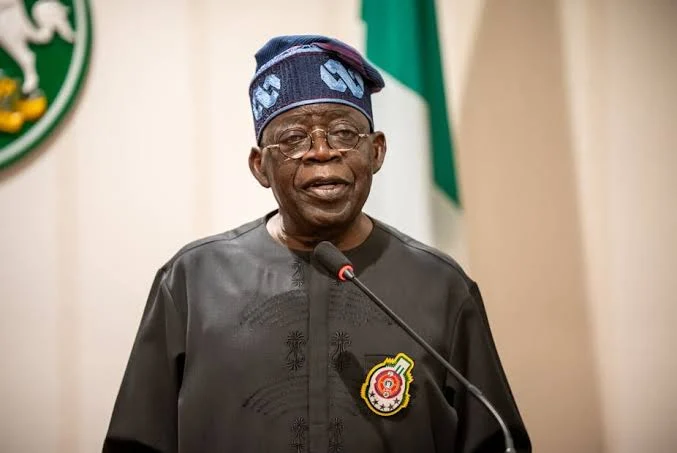
Make no mistake about this: The fundamental error is not just adopting a flawed policy which was, of course. endorsed by the pre-election establishment, including prominent opposition leaders. As at then, it was framed as an unavoidable fiscal sacrifice. President Bola Ahmed TInubu began to own the blame by stubbornly refusing to reverse course once it was clear the program became an embarrassing failure. True leadership demands pragmatic adaptation, yet the administration doubled down on an economic disaster that destroyed small businesses and household survival. Introducing a program that increases the cost of living tenfold while freezing the minimum wage is fundamentally cruel. The blatant refusal to acknowledge that the removal was both unnecessary and catastrophic remains mind-boggling. The government simply chose ideological pride over the economic reality of its citizens.