The APC should listen carefully, because this debate may become larger than petrol.
A government can survive an unpopular policy, even an unpopular president. What becomes dangerous is when citizens begin to believe their sacrifice produced nothing. There is an old African wisdom that the person carrying a heavy load does not complain because the load is heavy; he complains when he discovers the destination was never worth the journey. Nigeria has carried this burden for three years, and by 2027, Nigerians will ask a simple question: where did the journey take us? If the answer is more debt, higher living costs and missed opportunities, no amount of political sophistication will make that question disappear.
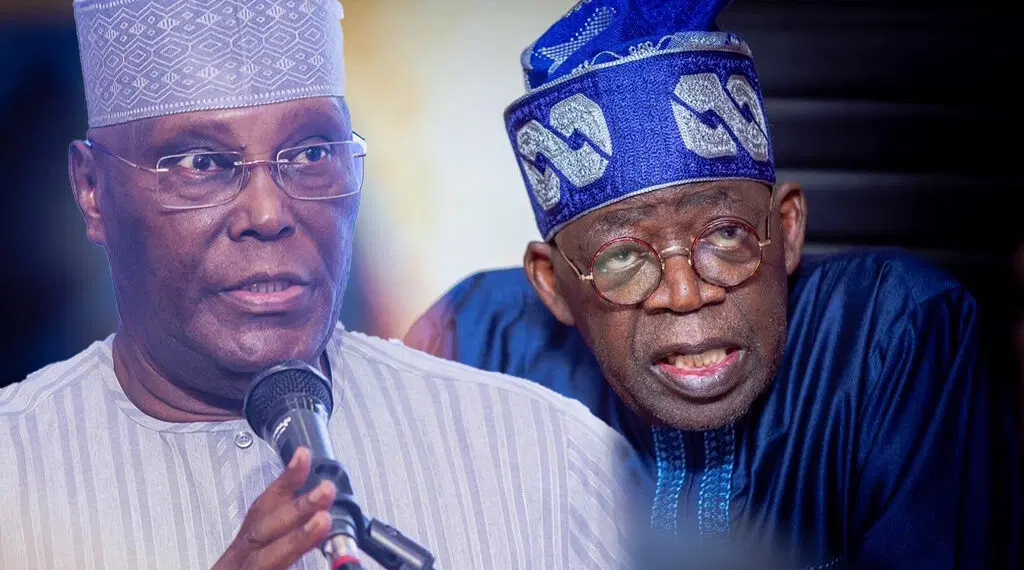
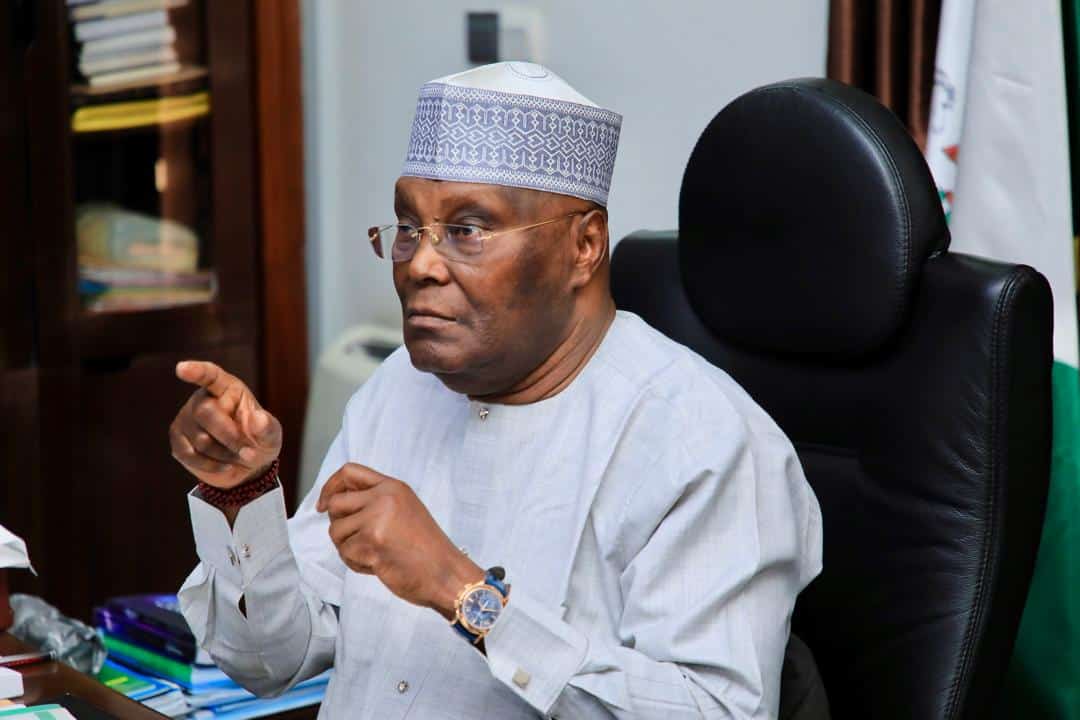
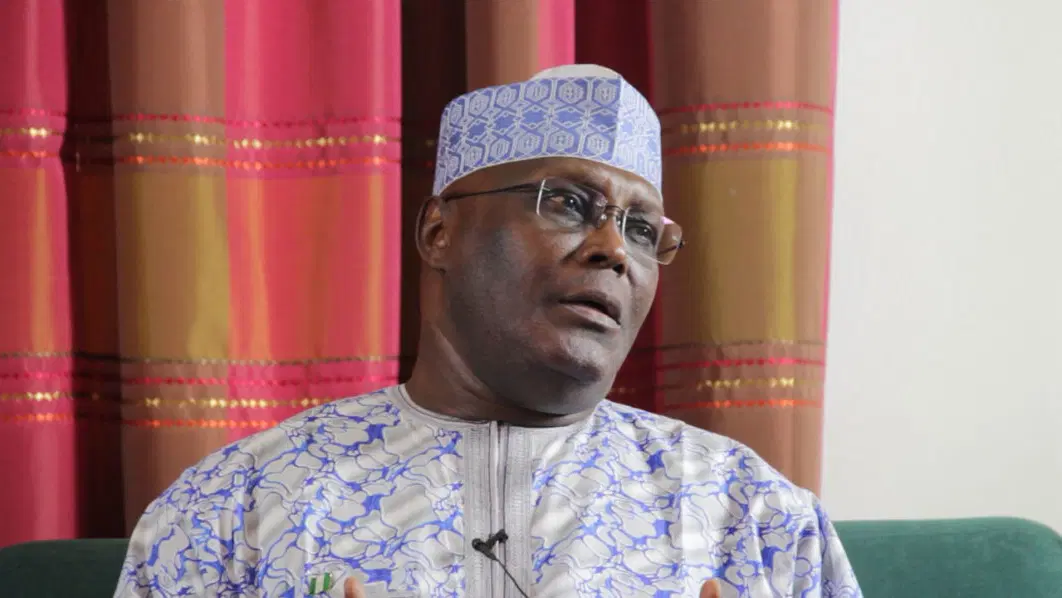
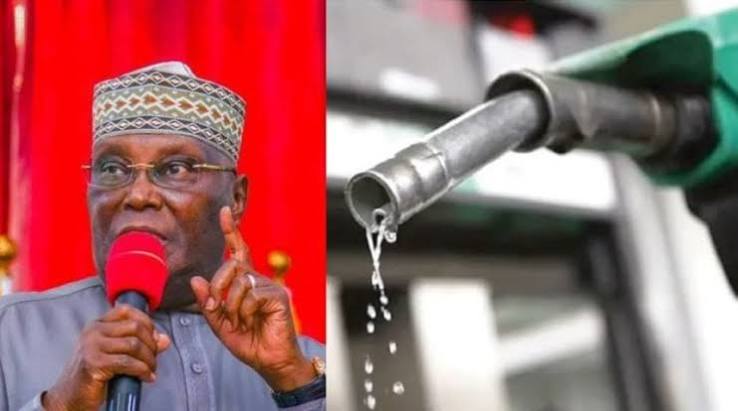
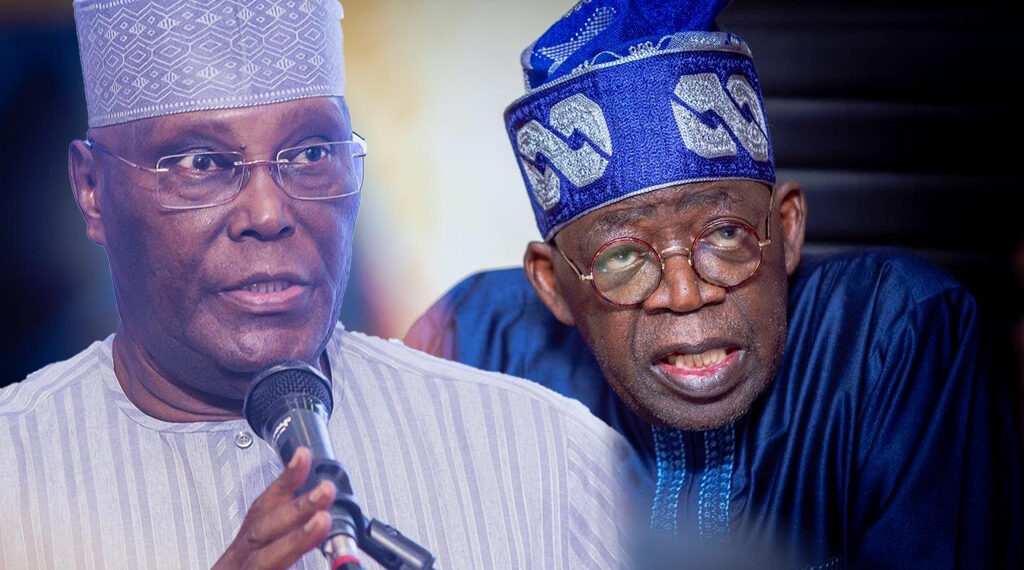
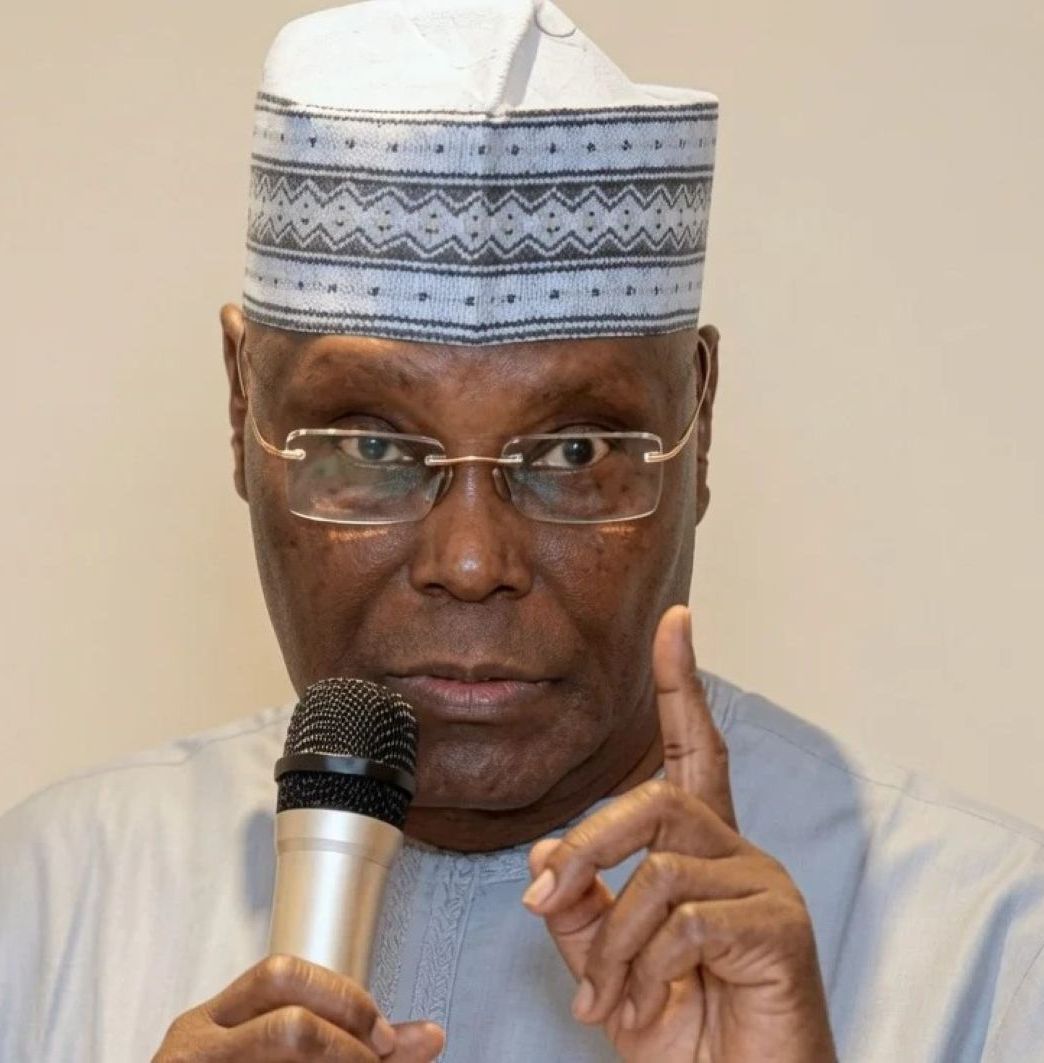
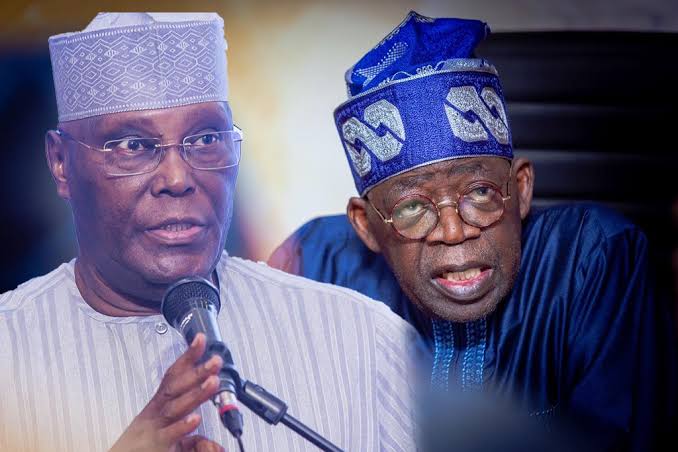
It is against this backdrop that Atiku Abubakar’s latest intervention on fuel subsidy deserves serious attention. If elected president in 2027, the African Democratic Congress presidential candidate says his administration would restore subsidy under a different model, one that moves intervention away from imported petrol and towards domestic refining. Qualifying local refineries would receive crude at preferential prices, producing petroleum more cheaply for Nigerian consumers while strengthening domestic refining capacity. That distinction is not cosmetic. For years, Nigeria subsidised consumption while letting the productive side of the petroleum value chain wither, importing what we could have refined and rewarding import dependence over production. Atiku’s model attempts to reverse that incentive: keep the crude in Nigeria, let Nigerian refineries process it, and let more of the value chain stay within the domestic economy.