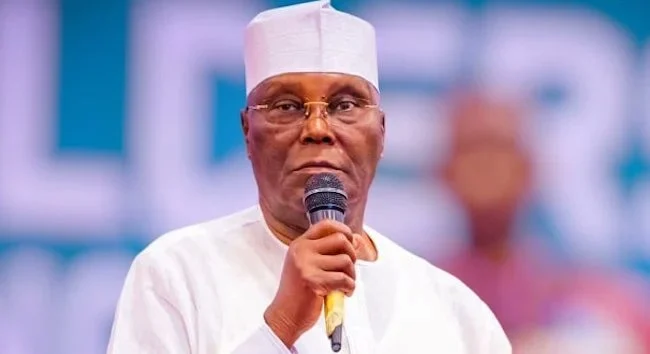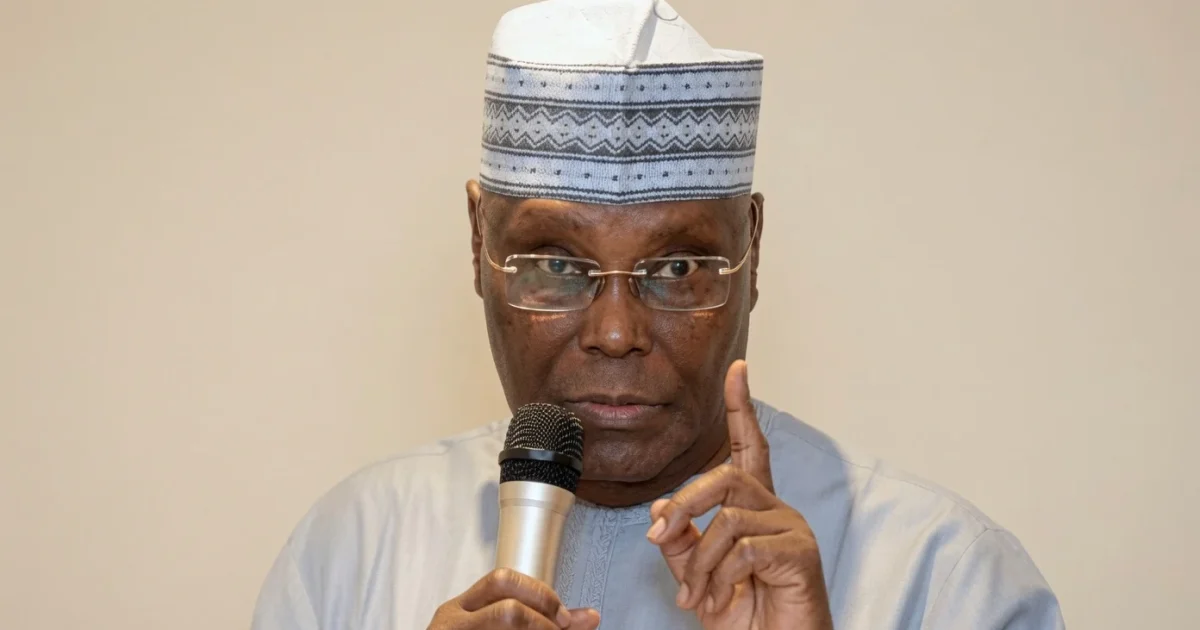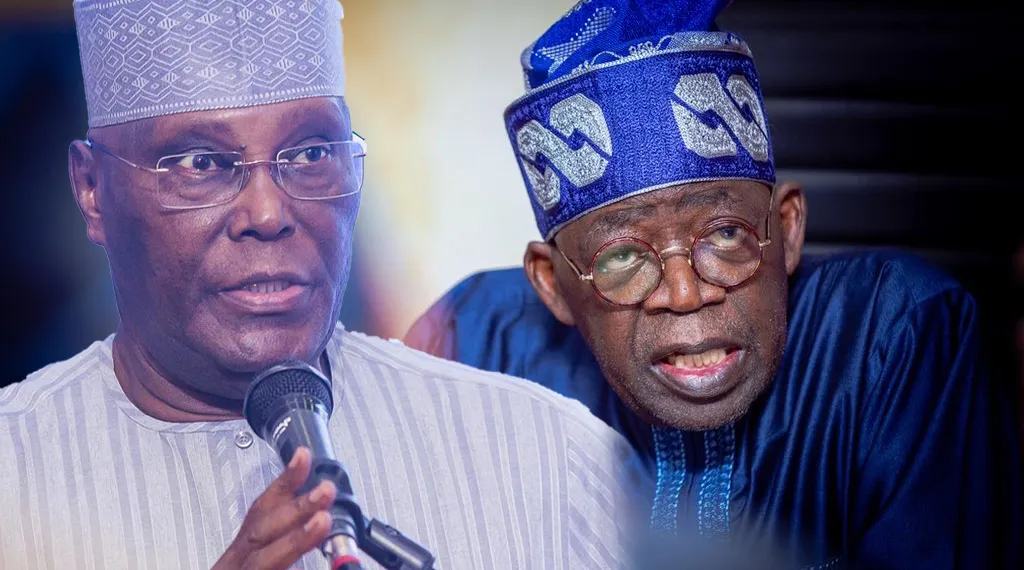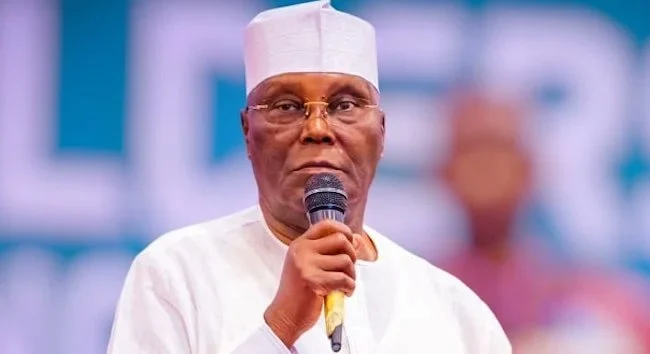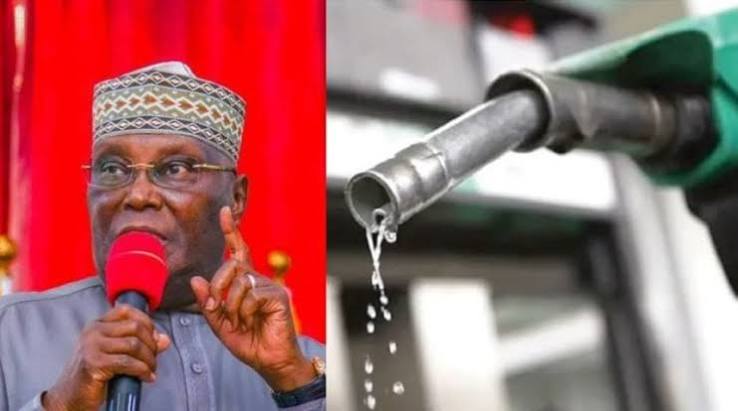
When former Vice President Atiku Abubakar unveiled the petroleum component of the Atiku Economic Recovery Plan (AERP), the immediate reactions fell into familiar camps. Supporters framed it as a humane correction to the hardships unleashed by subsidy removal. Critics dismissed it as a return to the failed subsidy politics of the past.
Both sides are missing the more important question.
The real issue is not whether subsidies are good or bad. It is whether Nigeria can design any form of petroleum support that is transparent, limited, verifiable, and genuinely beneficial to consumers. On that score, AERP deserves credit for moving the conversation forward, but not yet for solving the problem.
The proposal is a genuine improvement on Nigeria’s old import-subsidy regime. It embraces concepts that should have been part of fuel policy years ago: a fiscal ceiling approved through the budget, sunset provisions tied to domestic refining growth, open eligibility rather than favouring a single player, and stronger transparency requirements.
Most importantly, it acknowledges an uncomfortable reality. Nigeria’s experience since 2023 suggests that removing subsidies on paper does not necessarily eliminate subsidy-like costs from the system. Questions surrounding NNPCL’s Energy Security Expenses, foreign-exchange differential absorption, and broader Federation Account reconciliation remain legitimate subjects of public scrutiny. The demand for transparency is not partisan. It is a requirement of sound governance.