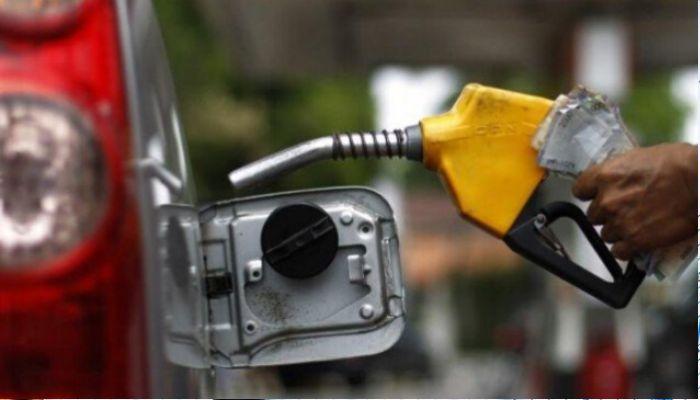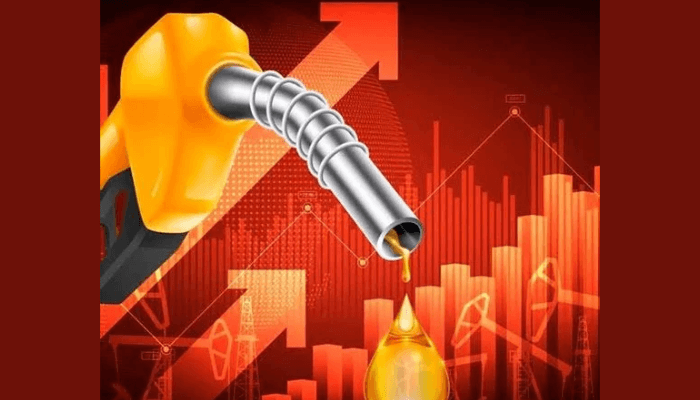
Before May 2023, petrol was kept artificially cheap at around N200 per litre, with the government covering the shortfall between the landing cost and the pump price. This arrangement severely drained federal finances, costing an estimated N4 trillion in 2022 alone. To keep the system afloat, the government resorted to heavy borrowing and printing money, all while sacrificing critical investments in healthcare, education, and infrastructure.
Despite this immense financial toll, fuel queues and constant scarcity remained a daily reality, forcing commuters to waste countless unproductive hours at filling stations.
Three years later, Nigeria’s macroeconomic picture looks vastly different. The country now boasts stronger external reserves, a unified foreign-exchange market, recovering oil production, and cooling inflation. Yet, on the streets, the reality remains harsh. Households are still grappling with high food and transport costs, eroded purchasing power, and inadequate public services. Although the economy is stabilising, the political landscape is shifting.
The subsidy debate has resurfaced, fueled by a proposal to bring back cheap petrol if there is a change in government in 2027. Bringing back any form of subsidy might offer immediate relief at the pump, but it carries the heavy risk of reopening fiscal wounds that are just starting to heal. Naturally, the current government has questioned how such a move could ever be sustainably financed. However, the deeper question is whether a petrol subsidy is truly the most efficient way to translate Nigeria’s macroeconomic gains into actual improvements in everyday living standards.