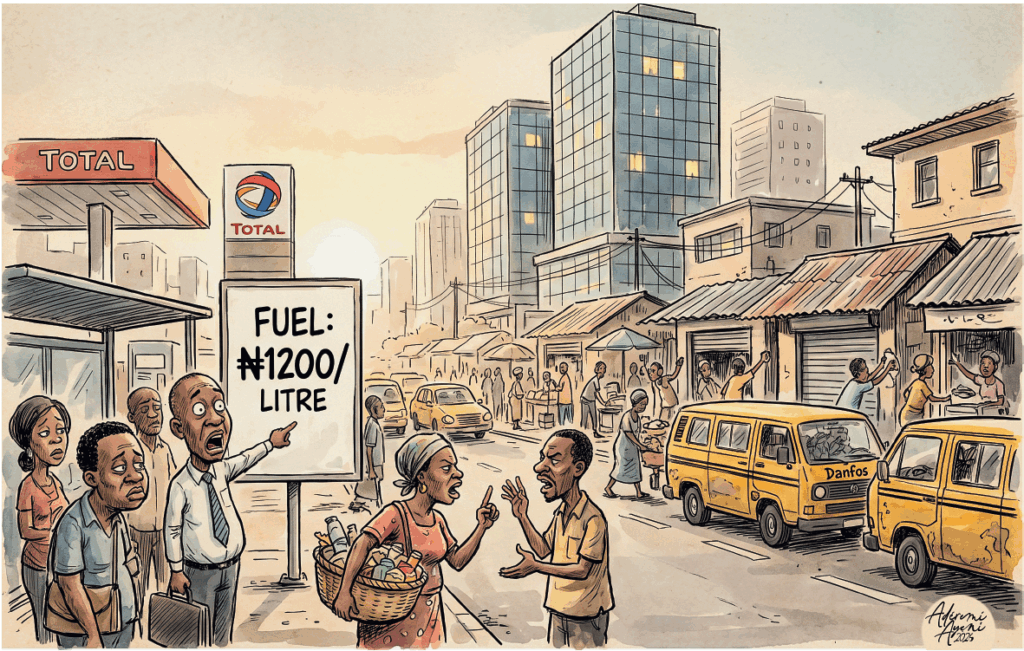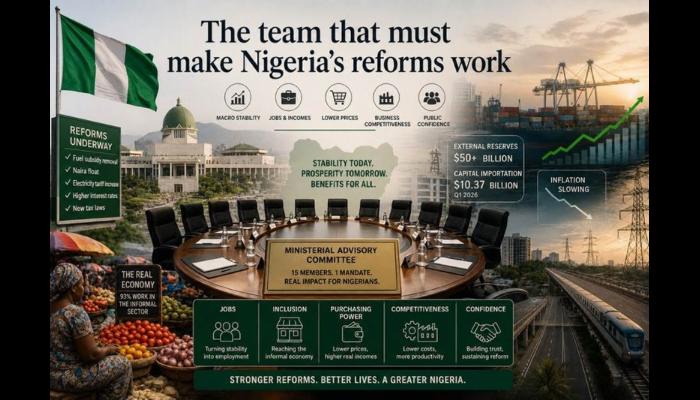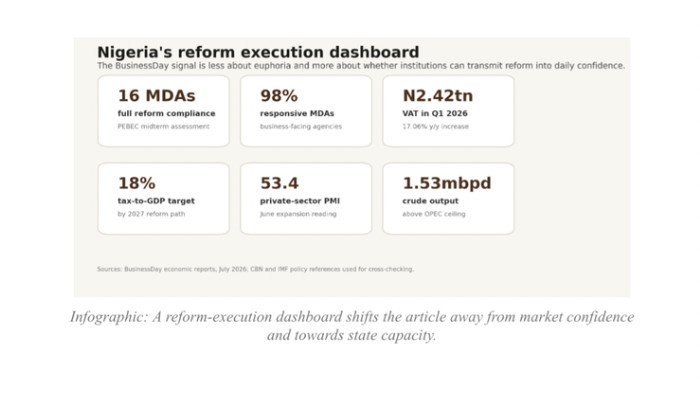
For much of the past three years, Nigeria’s economic debate has revolved around prices. The price of petrol. The value of the naira. Electricity tariffs. Interest rates. Since 2023, government reforms have reshaped each of them, ending fuel subsidies, liberalising the foreign exchange market, adjusting electricity tariffs and pursuing one of the most aggressive monetary tightening cycles in recent history.
These reforms were necessary. Artificial prices had become fiscally unsustainable and economically distortive, encouraging waste, discouraging investment and weakening public finances. Restoring market signals was an essential first step. But it was only that: a first step.
Changing prices does not automatically change an economy. This distinction is increasingly important because many of Nigeria’s structural challenges remain. Manufacturers still struggle with unreliable electricity and high production costs. Farmers continue to face insecurity, poor logistics and limited access to finance. Non-oil exports remain modest, while productive job creation has been slower than many expected. Prices have changed, but production has not expanded at the pace required to transform the economy.