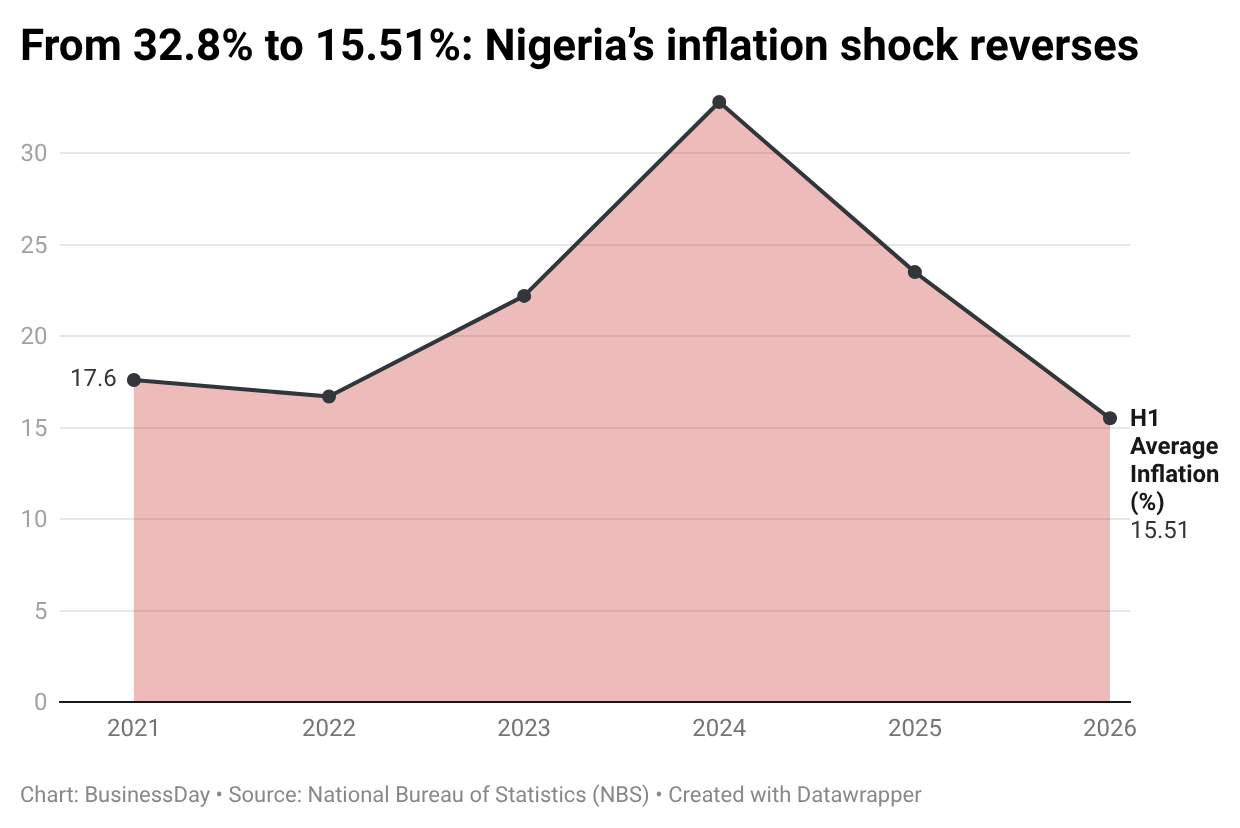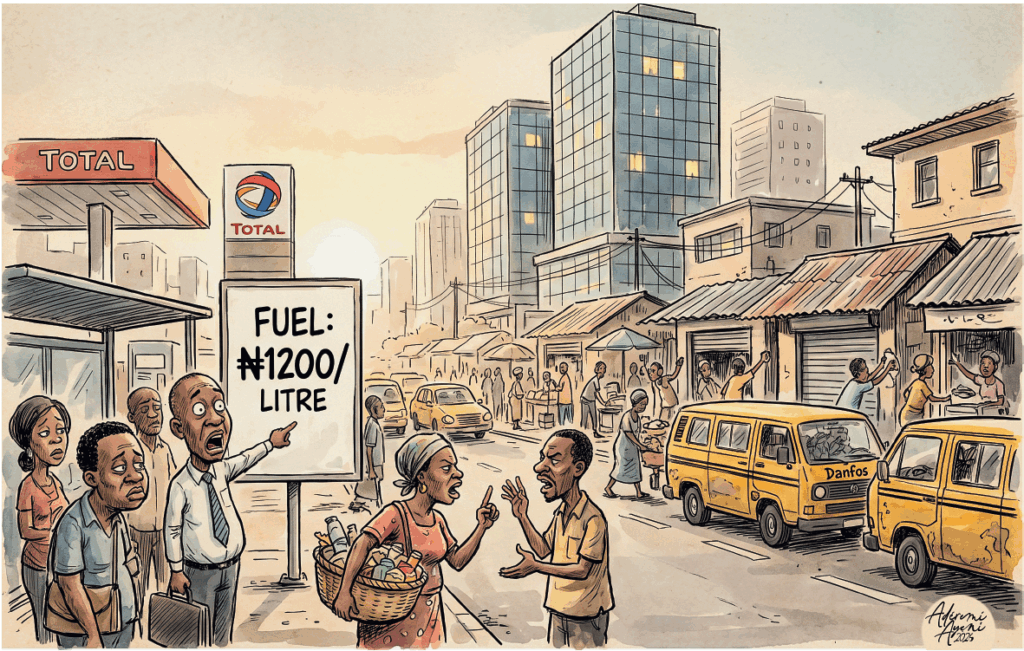
Nigerians are still trying to make sense of what has happened to their economy over the past three years. Public debate has largely centred on inflation, fuel prices, exchange rates and the immediate hardship caused by recent reforms.
Households worry about shrinking purchasing power, businesses grapple with rising costs and thinner margins, while policymakers defend painful decisions as the price of restoring stability. What has received far less attention is that Nigeria has crossed an important economic threshold. The country is moving away from an era where subsidies, administrative controls, preferential access to foreign exchange, and oil revenues shaped prices more than market realities.
The transition has been painful and politically contentious, but it marks what might be called “the end of cheap Nigeria.” The phrase is deliberately provocative because life has never been cheap for millions of Nigerians burdened by poverty, unemployment, and insecurity. “Cheap Nigeria” is not about the cost of living. It describes an economic system in which petrol, foreign exchange, imports, and, in many cases, credit were priced below their true economic cost.
Nothing in economics is free. Every artificially low price simply shifts the cost elsewhere. Governments bear it through widening fiscal deficits, future generations inherit it through rising public debt, businesses face declining competitiveness, and the wider economy pays through years of underinvestment in infrastructure, education, and productivity. Oil revenues allowed Nigeria to postpone these costs for decades, masking deep structural weaknesses. Over time, businesses adapted by relying less on innovation than on subsidised fuel, preferential foreign exchange, and government patronage. That economic model eventually reached its limits.