Nigeria has spent three years paying for economic stability. Now it must show what the purchase was for. The reforms were never going to be painless.
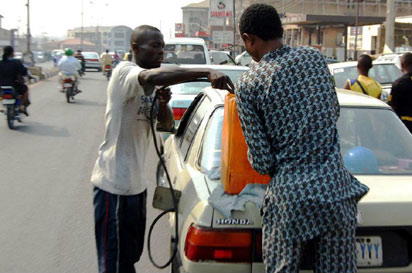
The petrol subsidy was removed. The naira was allowed to find a new equilibrium. Monetary conditions tightened. Fiscal policy came under greater scrutiny. The adjustment was immediate. The payoff was always supposed to take longer. That payoff is now the real test.
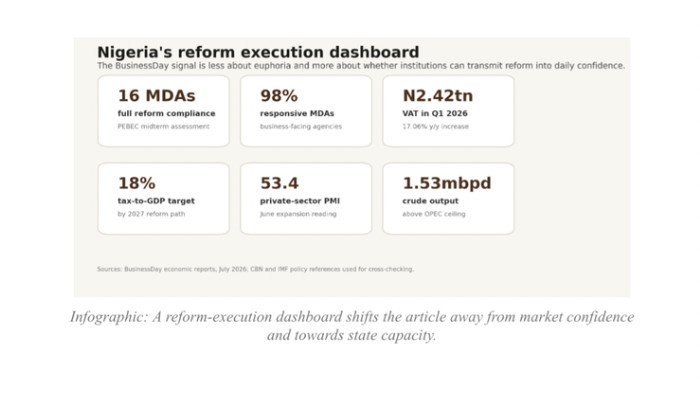
There is evidence that the first part of the bargain is working. The IMF projects Nigeria’s real GDP to grow by 4.1% in 2026, while consumer-price inflation is projected at 16%. The Fund says reforms over the past three years have improved macroeconomic outcomes and strengthened resilience.
The World Bank similarly reports stronger fiscal and external positions and a marked easing in inflation. But it also cautions that the improvement in macroeconomic indicators has not yet translated fully into better living standards.
That is not a contradiction. It is the next economic challenge. Stability is not prosperity. It is the condition that makes prosperity possible. Nigeria has spent enormous political capital creating that condition. It cannot now mistake the condition for the destination.