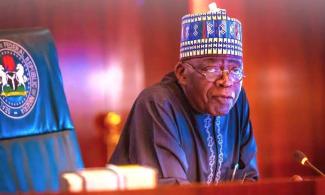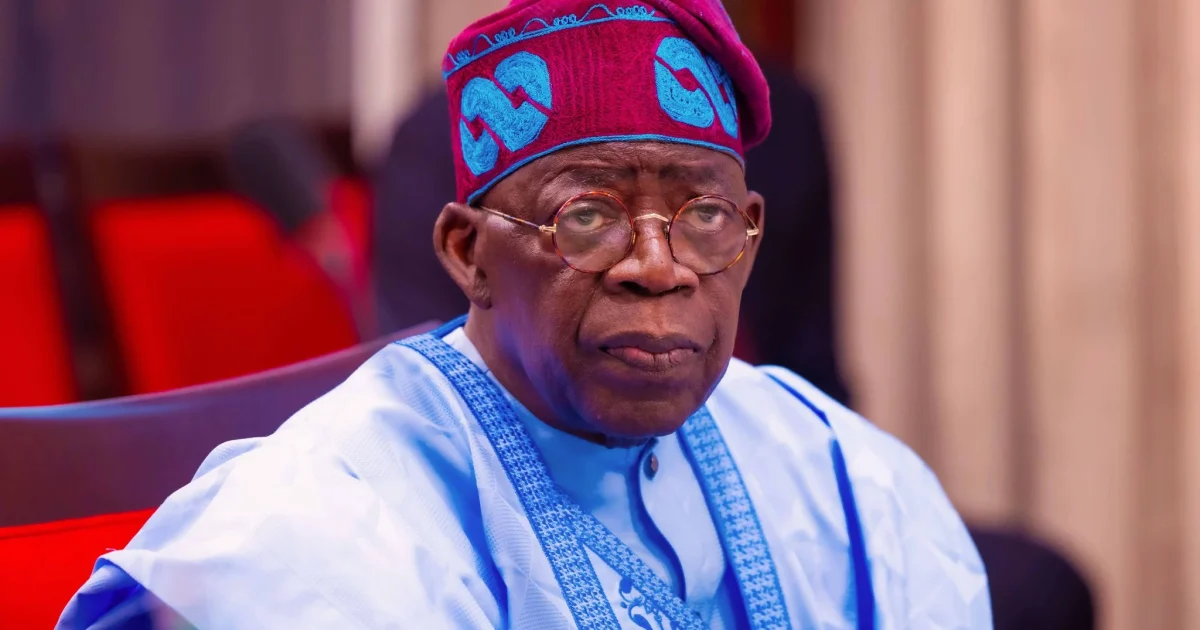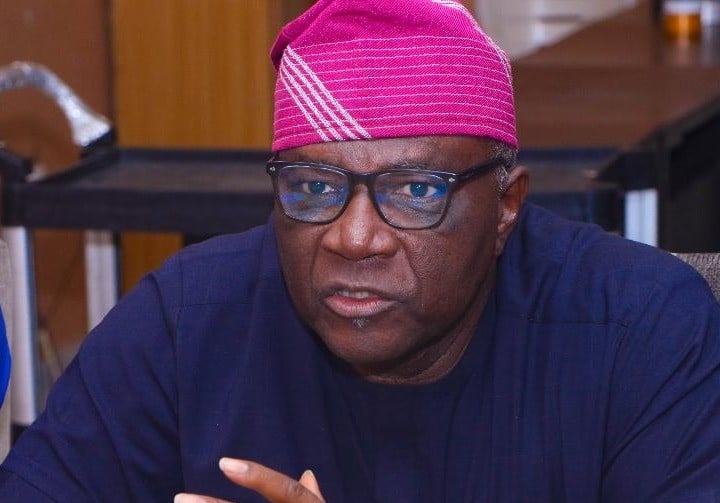
The President Bola Tinubu administration has stronger reserves, slower inflation, improved revenues and a more orderly foreign exchange market to show for three years of painful reforms. Yet, for millions of Nigerians whose incomes have been overwhelmed by food, fuel and other living costs, the promised recovery remains frustratingly out of reach, writes Festus Akanbi
There is an awkward contradiction at the centre of Nigeria’s economic story. The government has increasingly persuasive data showing that some of its most controversial reforms are working. Yet many Nigerians offer an equally compelling response: if the economy is improving, why does daily survival still feel so difficult?
That gulf between macroeconomic recovery and household experience has become perhaps the greatest political and economic challenge facing President Tinubu.
The administration’s latest Reform Scorecard makes a formidable case for the decisions taken since May 2023. Finance Minister Taiwo Oyedele says the reforms generated N20.4 trillion in incremental federal resources between June 2023 and December 2025. Subsidy reforms produced N15.8 trillion in savings for the federation, of which N5.4 trillion accrued to the federal government and N10.4 trillion to states and local governments. These are hardly insignificant achievements.