August 29, 2026
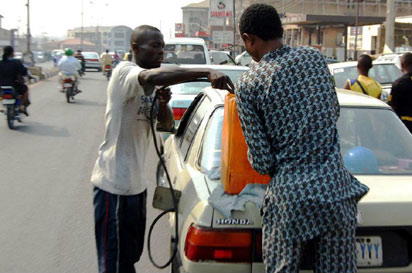
File image of a motorist patronising roadside petrol hawker (black market).
When the presidential fiat dissolved decades of petroleum consumption support, it was sold to the public not merely as a policy adjustment, but as an act of economic radicalism, a bitter surgical incision required to save a bleeding republic from terminal bankruptcy. For over thirty years, successive administrations skirted the perimeter of the problem, terrified of the social fury price deregulation would unleash. Yet when the announcement finally landed, it carried the finality of an irrevocable verdict. Official scorecards quickly brandished trillions in mobilized revenue, expanding subnational allocations, and a macroeconomic posture designed to dazzle global multilateral lenders and international rating agencies.
Trillions of naira that once vanished into an opaque consumption black hole were suddenly redirected.
Yet looking across the landscape of our streets, markets, motor parks, and lecture halls, a glaring paradox confronts us with unyielding cruelty. The numbers on paper look pristine, but the bodies on the ground are breaking. To answer who the subsidy removal truly benefits, we must look past the antiseptic language of macro-fiscal balance sheets and examine the brutal architecture of extraction: who captures the wealth versus who absorbs the shock.