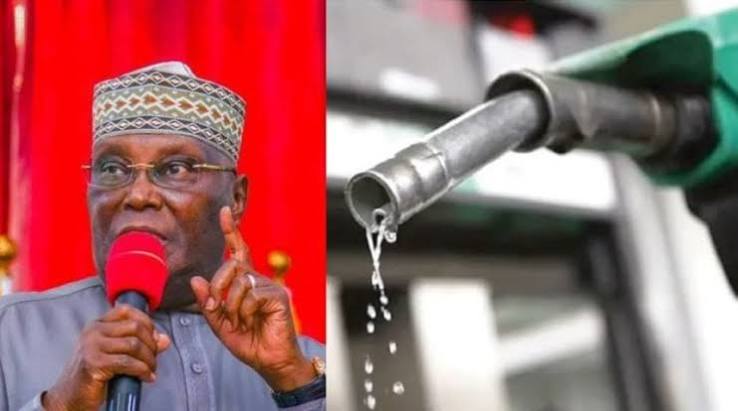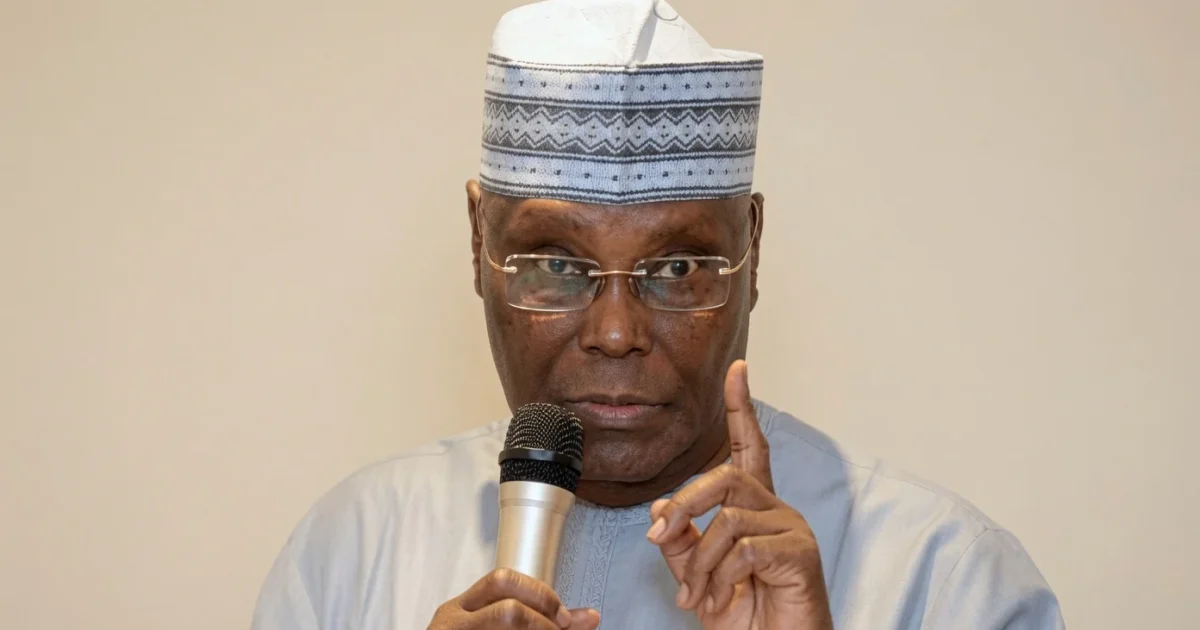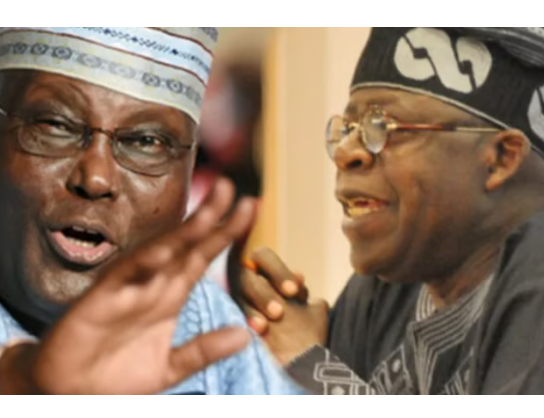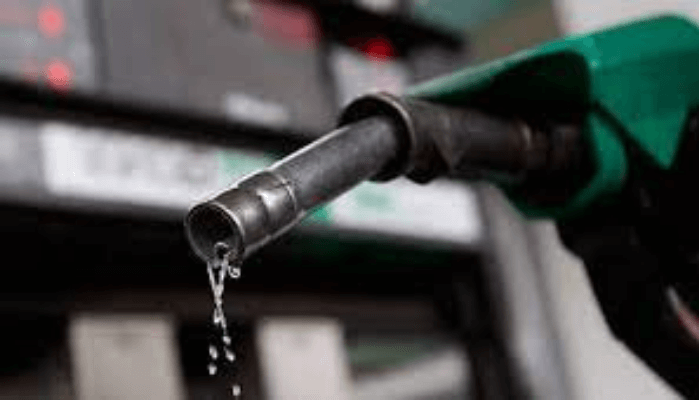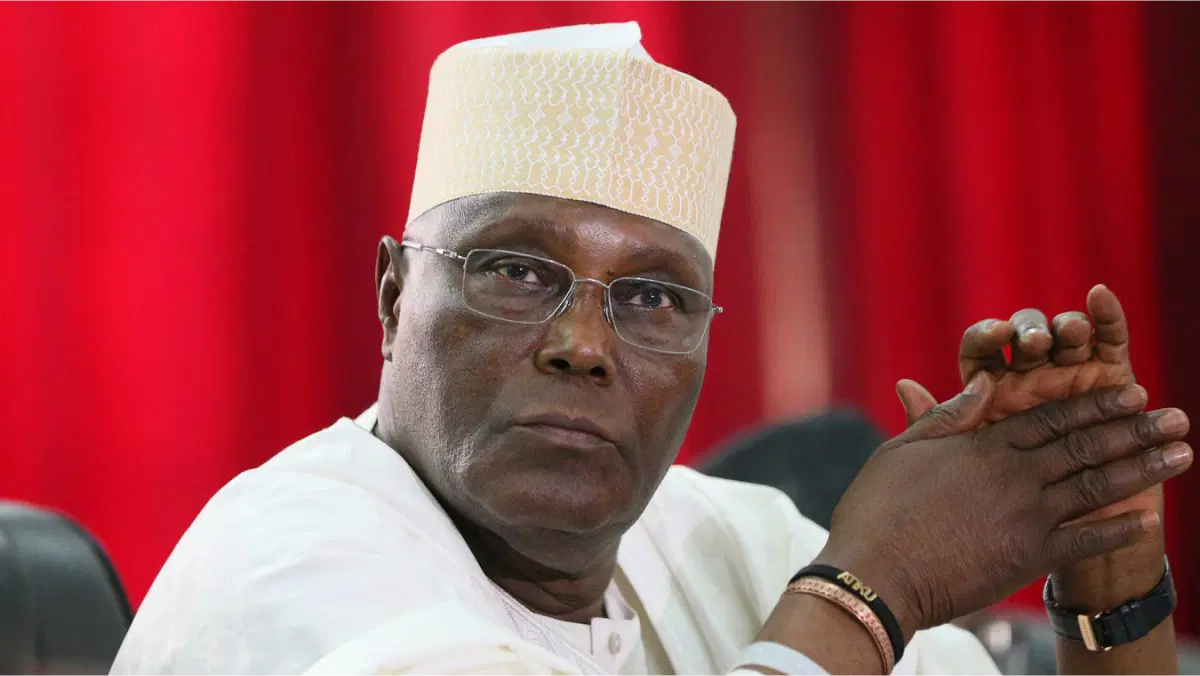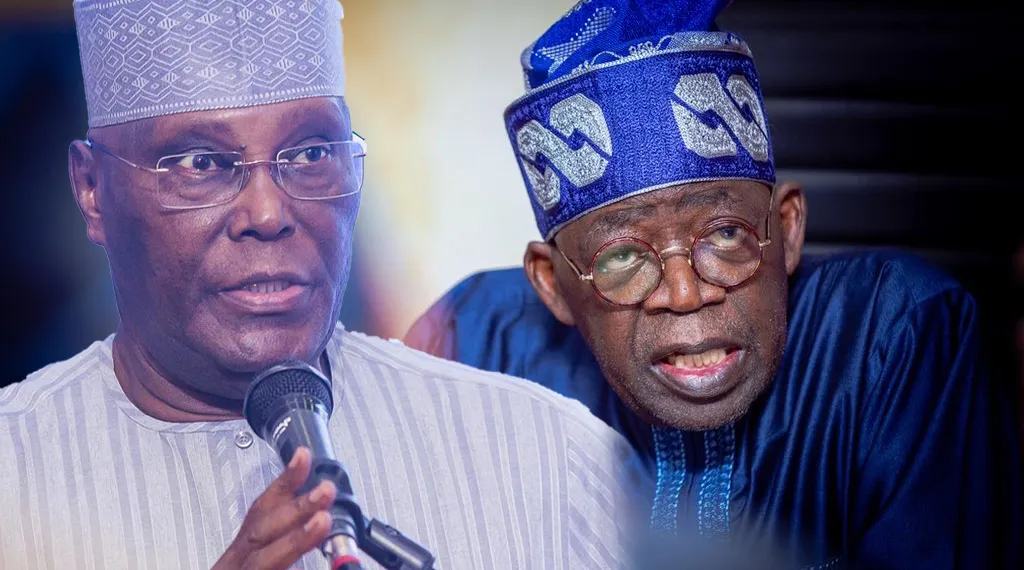
Nigeria’s worsening cost-of-living crisis has turned petrol subsidy into one of the most politically sensitive issues ahead of the 2027 presidential election. The debate was reignited by former Vice President Atiku Abubakar, the presidential candidate of the African Democratic Congress (ADC), who has promised to restore petrol subsidy if elected president on January 16, 2027. The date is the official presidential and National Assembly election date announced by the Independent National Electoral Commission (INEC).
Atiku’s declaration has predictably generated political fireworks. The Presidency and All Progressives Congress (APC) voices have attacked the proposal, while some Nigerians, understandably exhausted by high prices, have welcomed the prospect of cheaper petrol. Other opposition figures, including Peter Obi, have questioned the wisdom of returning to the old subsidy regime.
At the heart of the argument is a deceptively simple question: should an oil-producing country such as Nigeria subsidise petrol for its citizens? Atiku says yes. His argument is that Nigeria is sufficiently endowed with crude oil resources to provide affordable energy to its people. He has also questioned what happened to the savings from subsidy removal and argued that Nigerians have not received commensurate benefits from the reform.