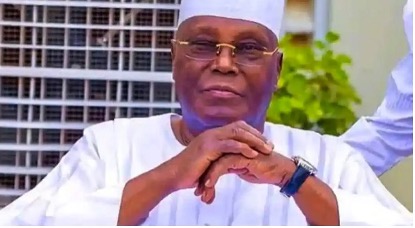
Why have media outlets focused almost exclusively on the recurring fuel subsidy debate while paying little attention to the broader and more fundamental concerns raised by Atiku Abubakar?
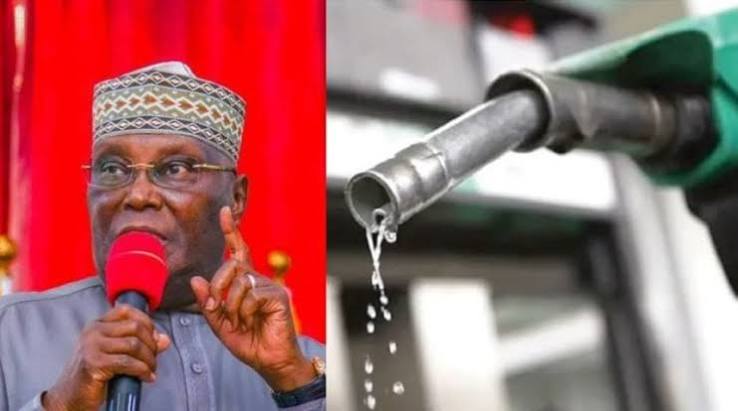
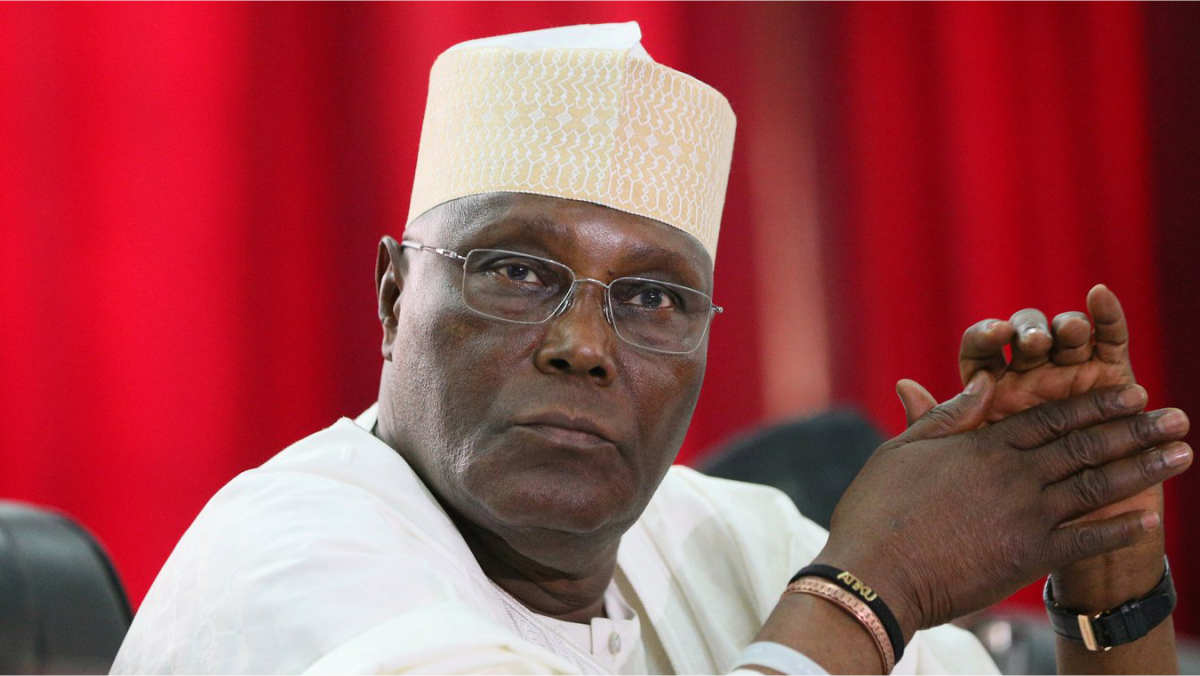
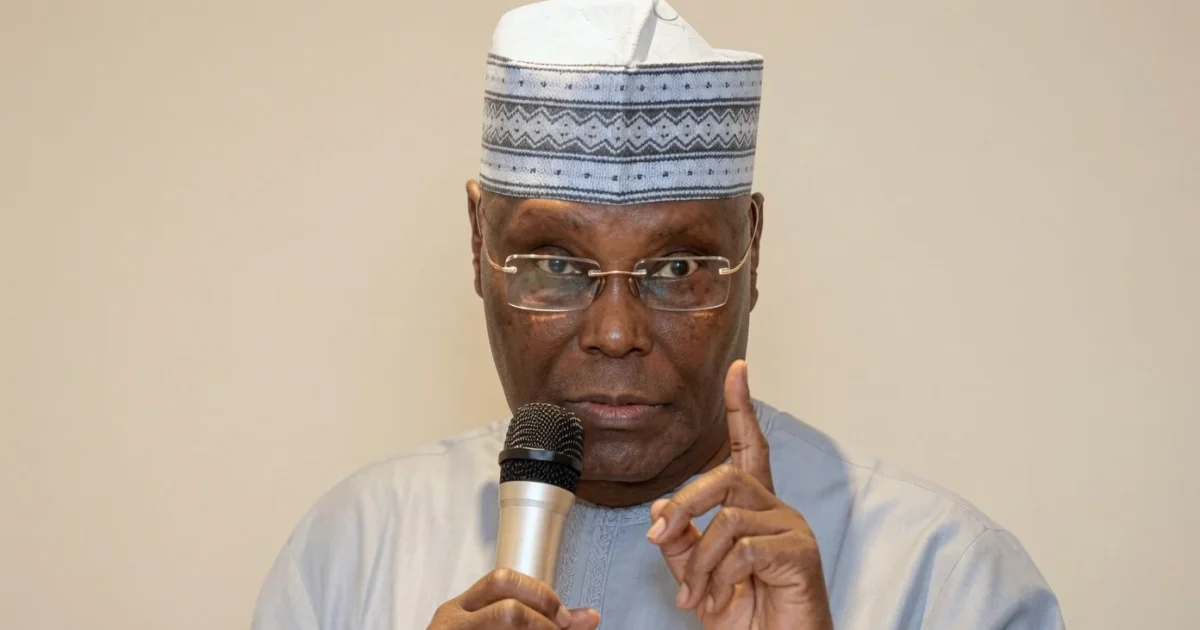
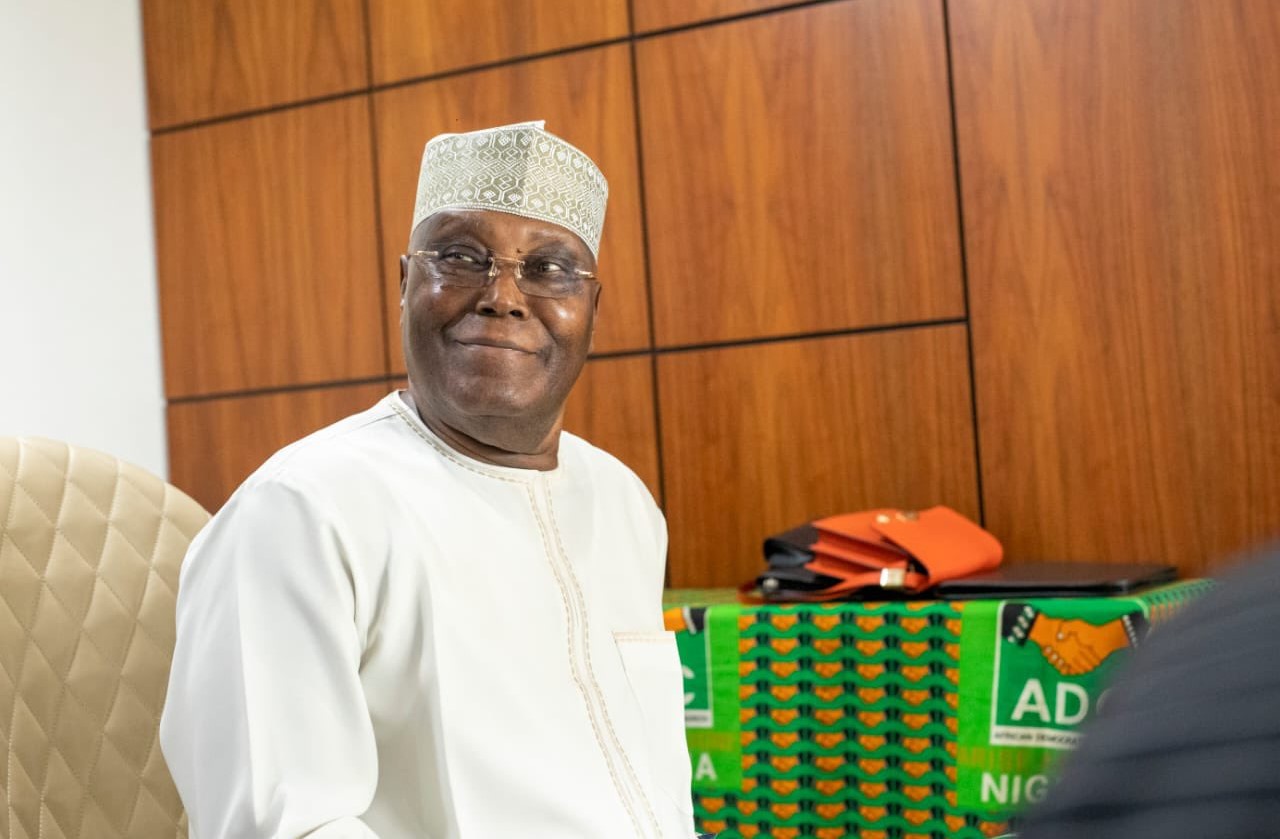
It is now a matter of public record that the presidential candidate of the African Democratic Congress (ADC), Atiku Abubakar, has promised to restore the fuel subsidy if elected president in the 2027 presidential election. His argument is that Nigerians have yet to see benefits commensurate with the economic pain caused by the removal of the subsidy.
The removal of the petrol subsidy resulted in a significant increase in the price of petrol. This, in turn, contributed to higher transportation costs, which subsequently pushed up the prices of food and other goods and services. For millions of Nigerians already struggling with declining purchasing power, the reform has translated into a severe increase in the cost of living.
Nigeria reportedly generated an estimated ₦15.8 trillion in additional public resources from the removal of the petrol subsidy and the floating of the naira between May 2023 and December 2025. These funds did not remain as idle cash in government coffers. Rather, they were distributed among the three tiers of government providing additional resources to governments amid mounting economic pressures on citizens. According to the figures, state governments received approximately ₦6.52 trillion, while the federal government received ₦5.43 trillion. Local governments received about ₦3.88 trillion.