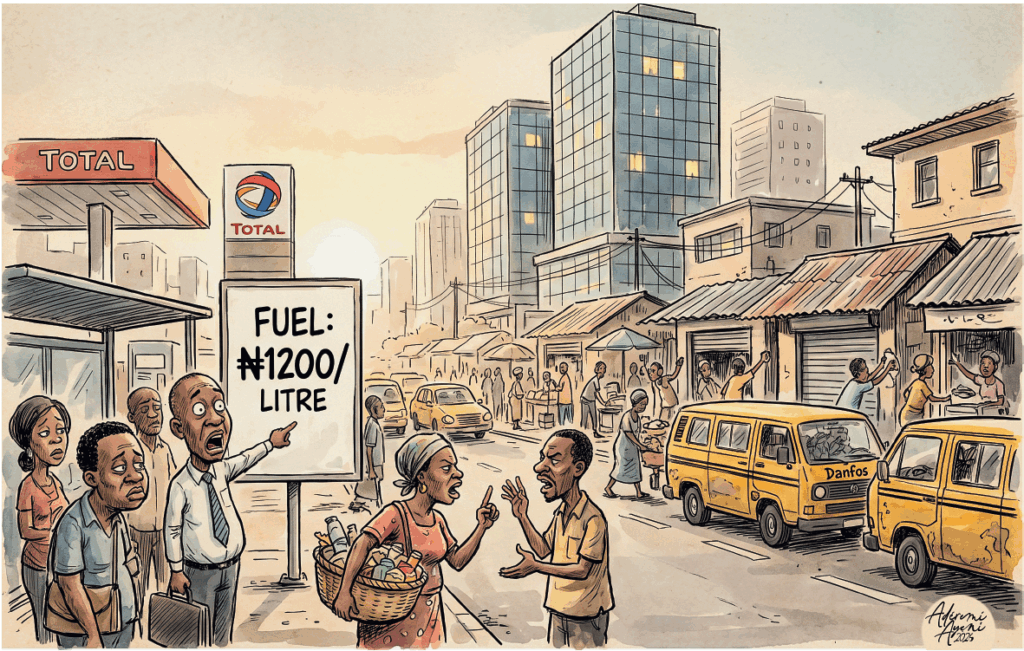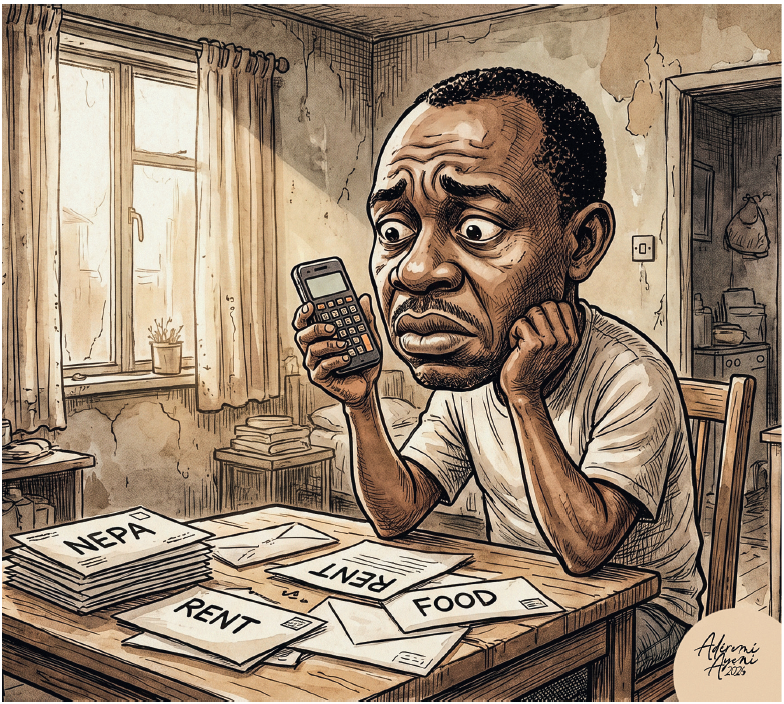
Nigeria’s economy is showing signs of recovery, but the improvement is yet to translate into meaningful relief for households as rising food, transport, housing and electricity costs continue to erode incomes and purchasing power.
While investors are increasingly optimistic about President Bola Tinubu’s economic reforms, millions of Nigerians remain trapped in a cost-of-living crisis, cutting consumption, moving to cheaper accommodation and relying on borrowing to meet basic expenses.
Grace Adama, a health NGO worker in Abuja earning N135,000 monthly, said her salary, although nearly twice the country’s minimum wage, is exhausted within days.
“If I’m paid today, my salary stays with me for just one week,” Adama told Reuters. “If you see the cost of living, house, electricity, everything has gone up.”
Her experience highlights the widening gap between Nigeria’s improving macroeconomic indicators and household welfare.