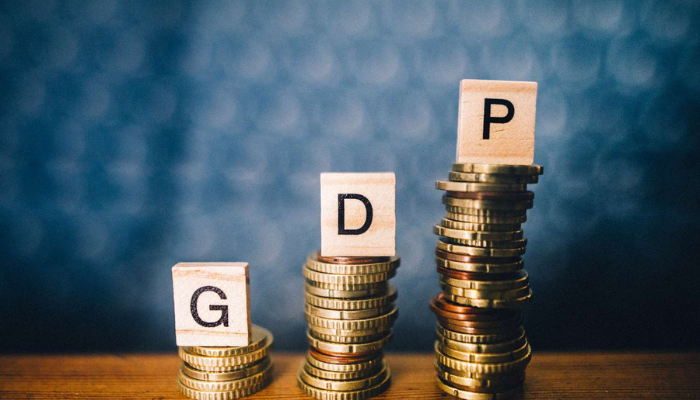
Illustrative picture of GDP and market. CREDIT: developmentdiaries. | Web
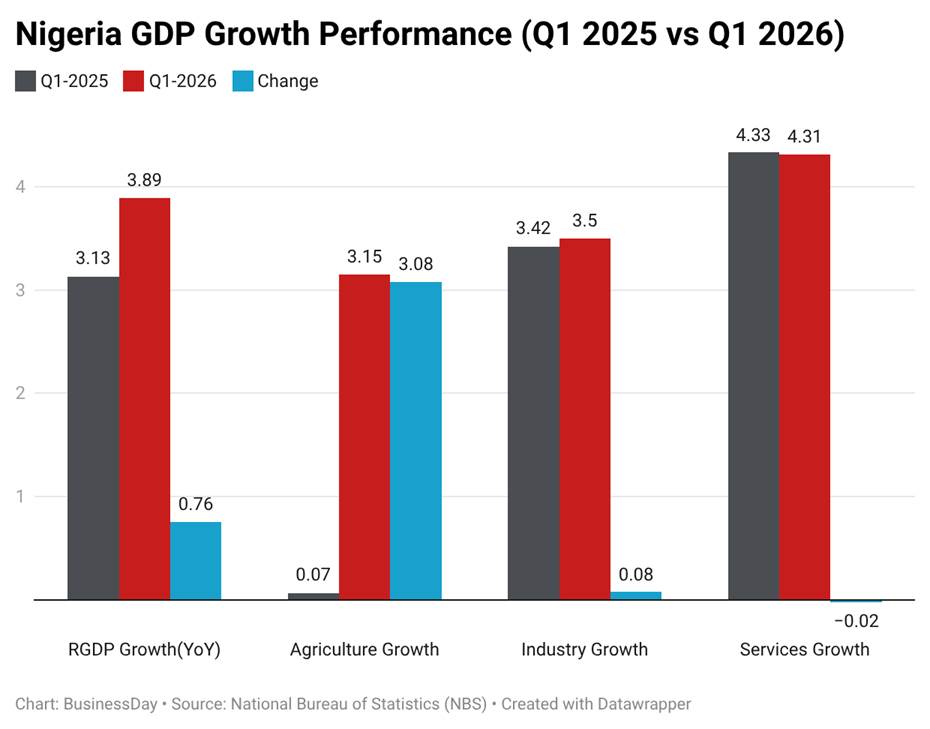
Nigeria’s economy appears to be showing signs of recovery. Government officials frequently point to rising Gross Domestic Product, stronger foreign exchange reserves, improved tax revenues, renewed investor confidence, and far-reaching fiscal reforms as evidence that the country is on the path to sustainable growth. These indicators are important and suggest that difficult policy decisions may be yielding results.
However, for millions of Nigerians, this recovery remains largely invisible.
Across the country, households continue to grapple with rising food prices, expensive transportation, high electricity tariffs, increasing healthcare costs, and unaffordable school fees. This disconnect between encouraging macroeconomic indicators and the daily realities of citizens raises a critical question: Can an economy truly be said to be growing when the majority of its people are becoming poorer?
The answer lies in understanding that economic growth does not automatically translate into shared prosperity. GDP measures the size of an economy but does not show how wealth is distributed. Growth concentrated in sectors such as oil and gas, banking, or telecommunications may improve national output without significantly benefiting farmers, artisans, traders, manufacturers, and small businesses that employ most Nigerians. Economic growth that enriches only a few while leaving the majority behind cannot be considered inclusive.