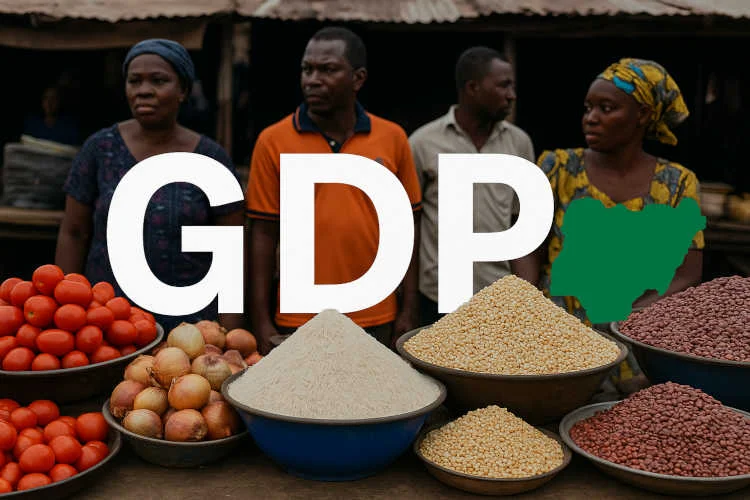
Economic growth is often treated as the clearest evidence that a country is progressing. In theory, it should translate into better jobs, rising incomes, expanding opportunities, and improved living standards. In Nigeria, growth has increasingly become a statistical reality that struggles to reflect lived experience. Governments announce encouraging GDP figures, analysts highlight macroeconomic stability, and investors interpret reforms as signs of recovery. But for millions of Nigerians, these indicators coexist with rising food prices, weakening purchasing power, unstable incomes, and a growing sense that economic progress remains out of reach.
This disconnect between economic performance and everyday reality sits at the heart of Nigeria’s development challenge. The country has experienced periods of strong expansion in the past, most notably in the 2000s, yet those years did not translate into the kind of structural transformation that turns growth into sustained prosperity. Today, with new data from the National Bureau of Statistics showing 3.89 percent GDP growth in the first quarter of 2026, compared to 3.13 percent in the same period the previous year, optimism has returned to policy and investment circles. Once again, Nigeria is being described as recovering, stabilising, and gradually improving.