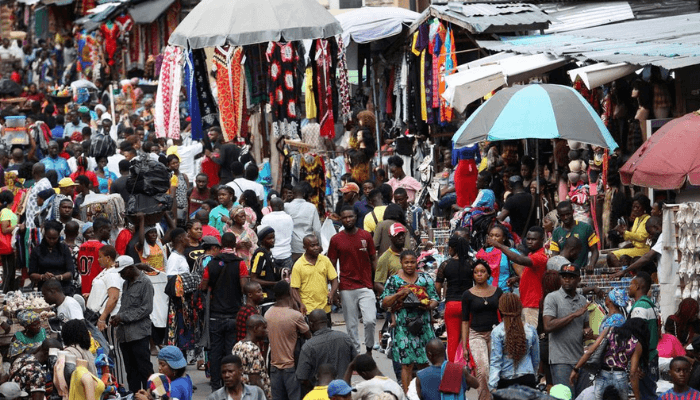
Nigeria has reached a defining moment in its economic reform journey, where restoring macroeconomic stability is no longer enough and the next challenge is to translate policy gains into jobs, investment and higher living standards for millions of Nigerians.
That was the consensus among policymakers, business leaders and economists at the 14th edition of BusinessDay’s CEO Forum 2026 on Thursday, where discussions shifted from celebrating recent reforms to confronting the harder question of how Africa’s most populous nation can convert stability into shared prosperity.
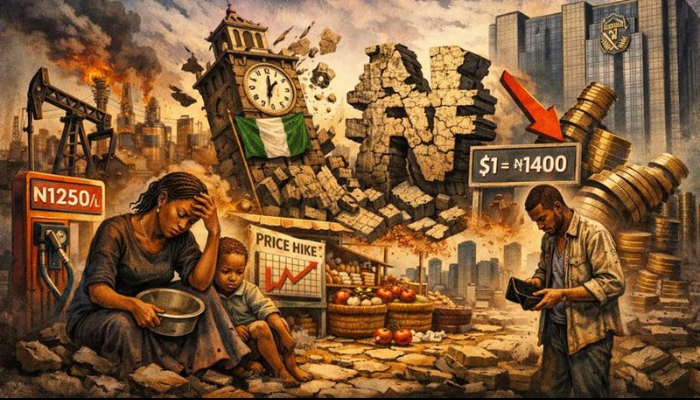
The forum, themed “From Stability to Shared Prosperity,” highlighted both sides of Nigeria’s economic story: stronger external buffers and improving investor confidence on the one hand, and persistent poverty, weak productivity, and inadequate infrastructure on the other.
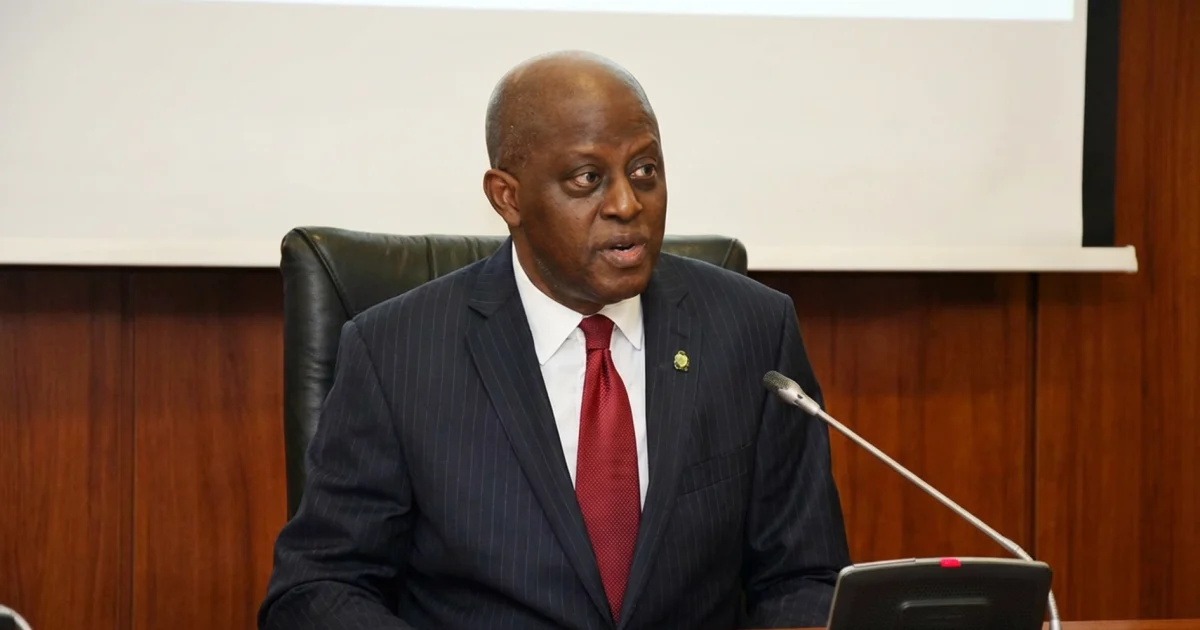
Speaking during a fireside chat, Olayemi Cardoso, governor of the Central Bank of Nigeria (CBN), said Nigeria’s net foreign exchange reserves have climbed from roughly $3 billion at the onset of the country’s reform programme to about $40 billion, while gross external reserves have increased to approximately $52 billion, underscoring the restoration of confidence in the country’s foreign exchange market.