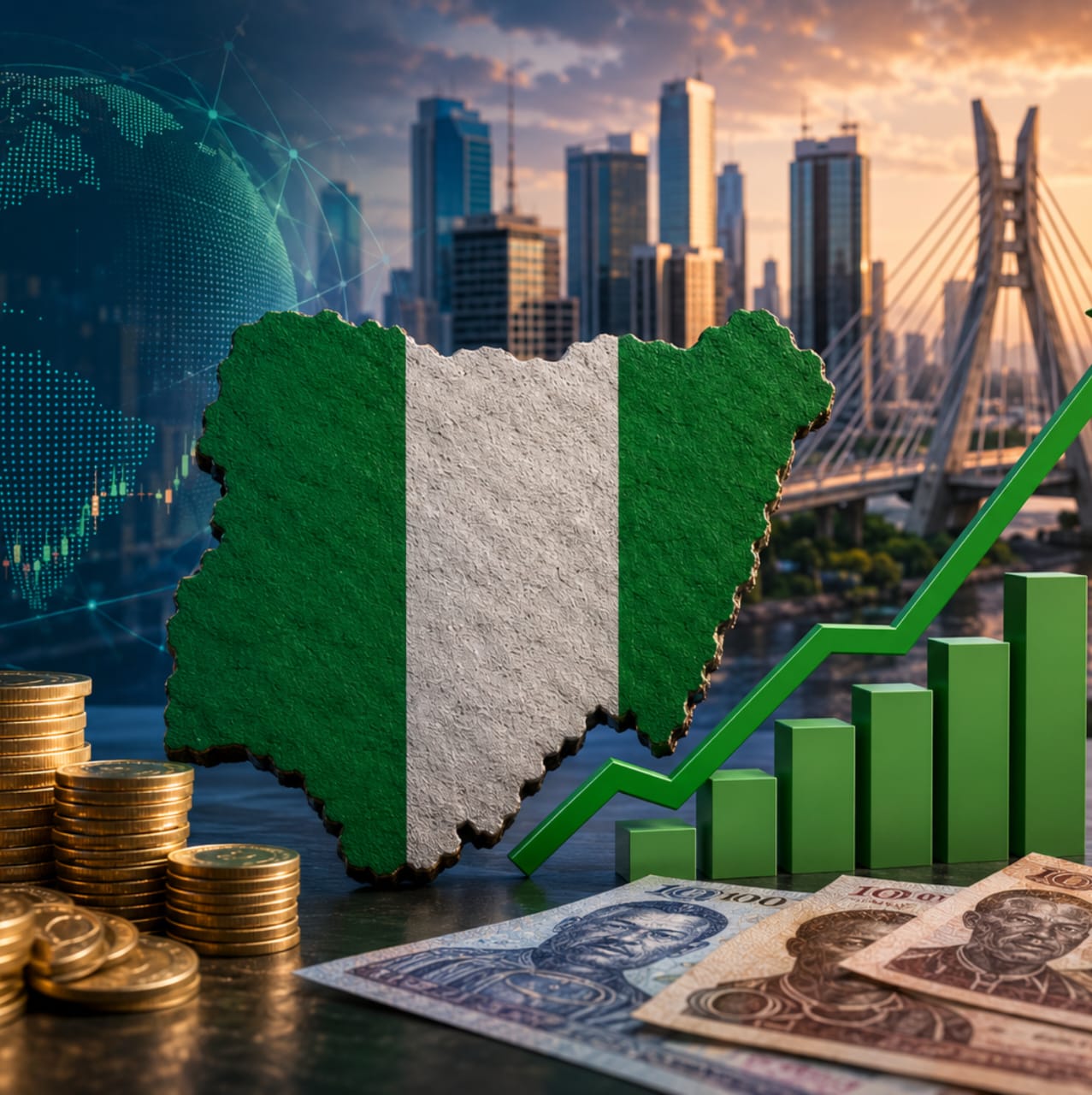
The Road Ahead of 2026 for the Nigerian Economy.
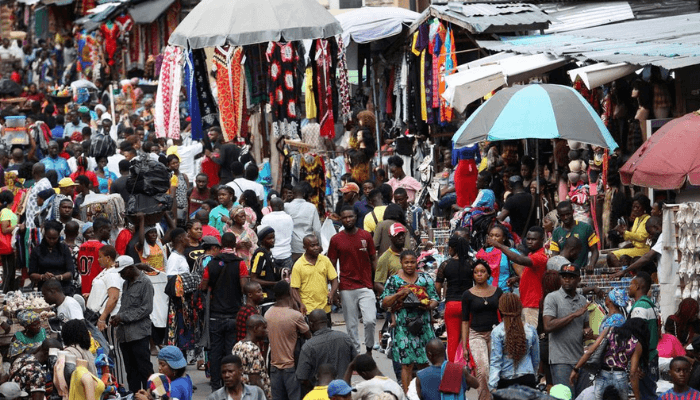
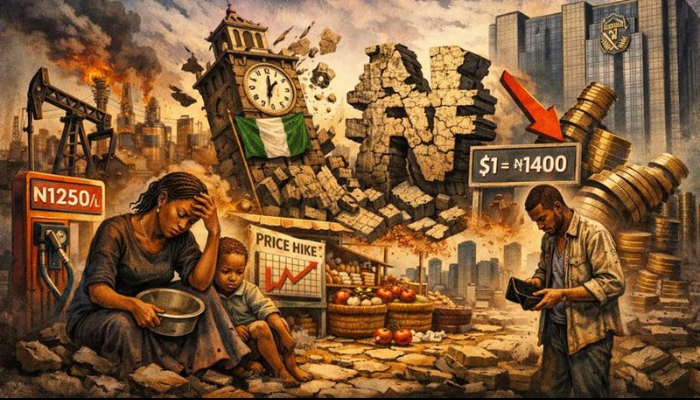
Nigeria enters 2026 standing at a crossroads. Over the past two years, the country has embarked on some of the most significant and audacious economic reforms seen in decades. Fuel subsidies were removed, the foreign exchange market was liberalised, and difficult decisions were made to address long-standing structural distortions. These reforms were never going to be painless. For millions of Nigerians, the cost of living has risen sharply. Food prices remain high, businesses continue to struggle with operating costs, and households are feeling the pressure of rising inflation. Yet many economists argue that these reforms, while painful, were necessary to prevent deeper economic challenges in the future.
Today, Nigeria finds itself in a period of transition. The old economic model is being dismantled, but the benefits of the new one have not yet fully materialised. The question is no longer whether reforms were needed. The question is whether Nigeria can sustain them long enough to achieve meaningful transformation.
A Snapshot of the Economy in 2026.
On paper, Nigeria remains Africa’s largest economy, but for many citizens, economic size has not translated into economic prosperity. GDP growth is projected to range between 3.2% and 3.8% in 2026, an improvement from previous years. Much of this growth is being driven by services, telecommunications, technology, financial services, and non-oil exports. However, with population growth estimated at approximately 2.6% annually, economic growth per person remains relatively modest.