adsSynopsis of the impact of the upcoming elections on the economy
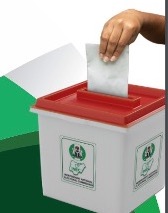
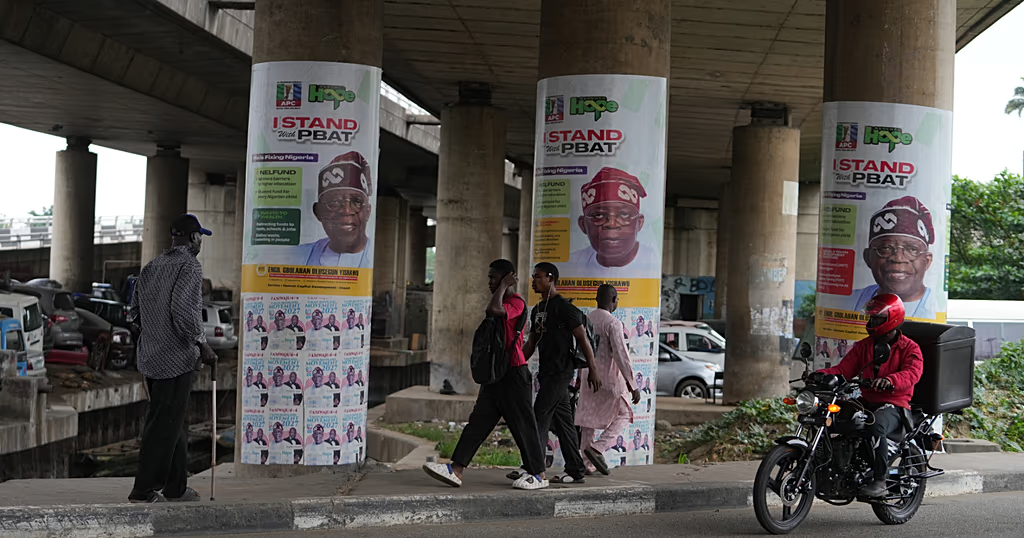
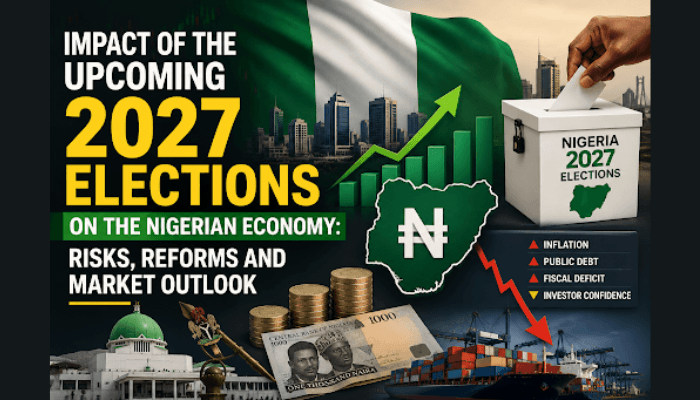
Nigeria is heading towards another election cycle, at a time when its economy is still absorbing painful reforms. That timing matters. Elections are a normal feature of democracy, but in economies like Nigeria’s, they often trigger spending surges, policy uncertainty, currency pressures, and a slowdown in investor confidence.
The real issue is not whether elections affect the economy. They do. The question is how much damage or disruption the 2027 cycle could create if political pressure begins to compete with economic discipline.
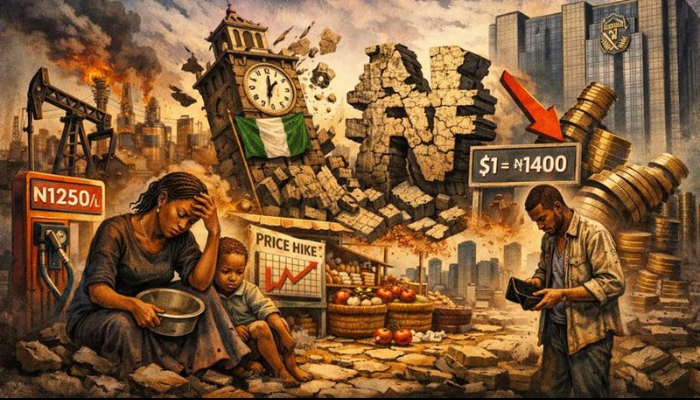
The country has spent the last two years trying to stabilise, after difficult but necessary reforms. Fuel subsidy removal, electricity subsidy removal, floating of the currency, exchange rate unification, and tighter monetary policy have all helped restore some degree of macroeconomic credibility. These reforms have been costly for households and businesses, though necessary, but they have also signalled a break from the habits that weakened confidence in the past and reduced purchasing power parity. The danger now is that the election cycle could reverse some of these gains.
Election spending and GDP: A temporary sugar rush