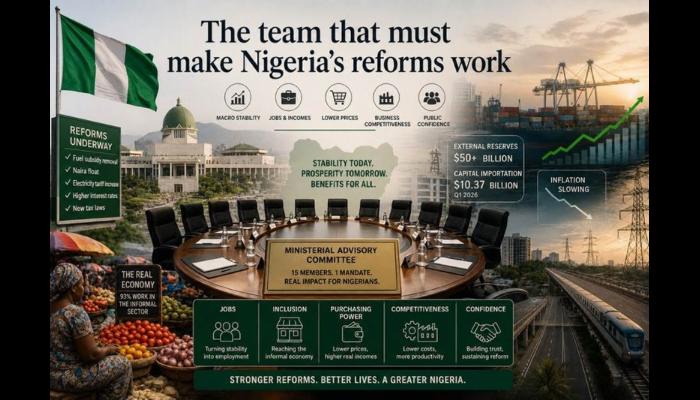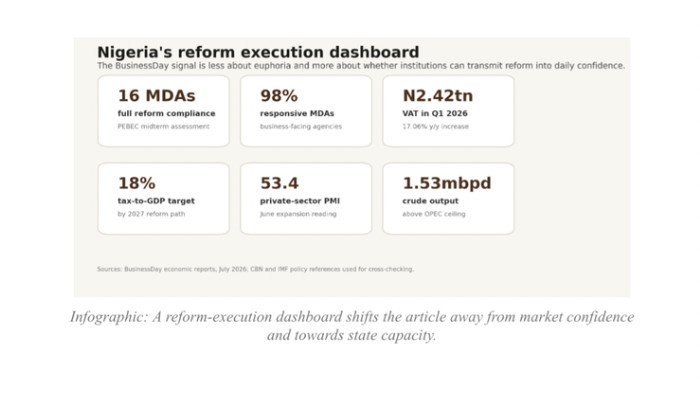
Nigeria’s economic reforms over the past few years have been among the most consequential since the return to democratic rule. The removal of fuel subsidies, exchange-rate reforms, fiscal adjustments, and proposed tax reforms demonstrate a willingness to address long-standing macroeconomic distortions. From a policy perspective, these are significant steps toward restoring economic stability.
Yet for many Nigerians, the lived experience tells a different story. Businesses continue to struggle with high operating costs, households face declining purchasing power, inflation remains elevated, and access to affordable finance is limited. The result is a growing perception that while the country may be getting its macroeconomic fundamentals increasingly aligned, it is still struggling with the microeconomics of everyday production and consumption.
The challenge before Nigeria is therefore no longer simply one of macroeconomic reform; it is how to translate those reforms into tangible improvements in productivity, investment, employment and living standards.
The missing link: Productivity
Economic history consistently shows that sustained national prosperity is built on productivity. Exchange-rate reforms, fiscal discipline and monetary policy create the environment for growth, but they do not, by themselves, produce goods, create jobs or lower production costs.