John Maynard Keynes once remarked that “in the long run we are all dead.” It was not an argument against reform. It was a warning that governments cannot ask people to endure present hardship indefinitely while promising future prosperity. That warning has become increasingly relevant in Nigeria.
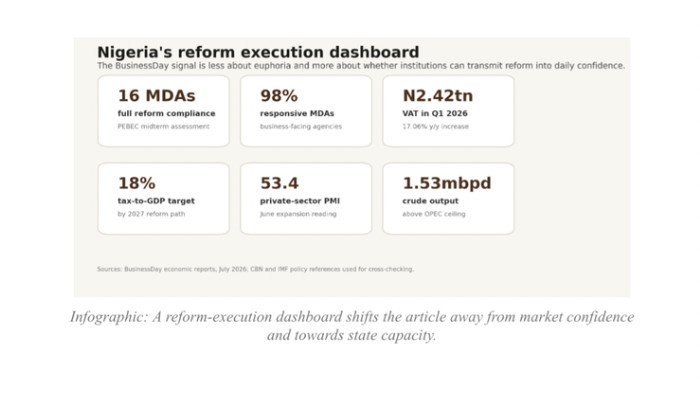
Over the past three years, the government has undertaken one of the country’s most ambitious economic reform programmes in decades. Fuel subsidies were removed. The naira was floated. Electricity tariffs rose. Interest rates climbed to their highest level in years. Four new tax laws were signed.
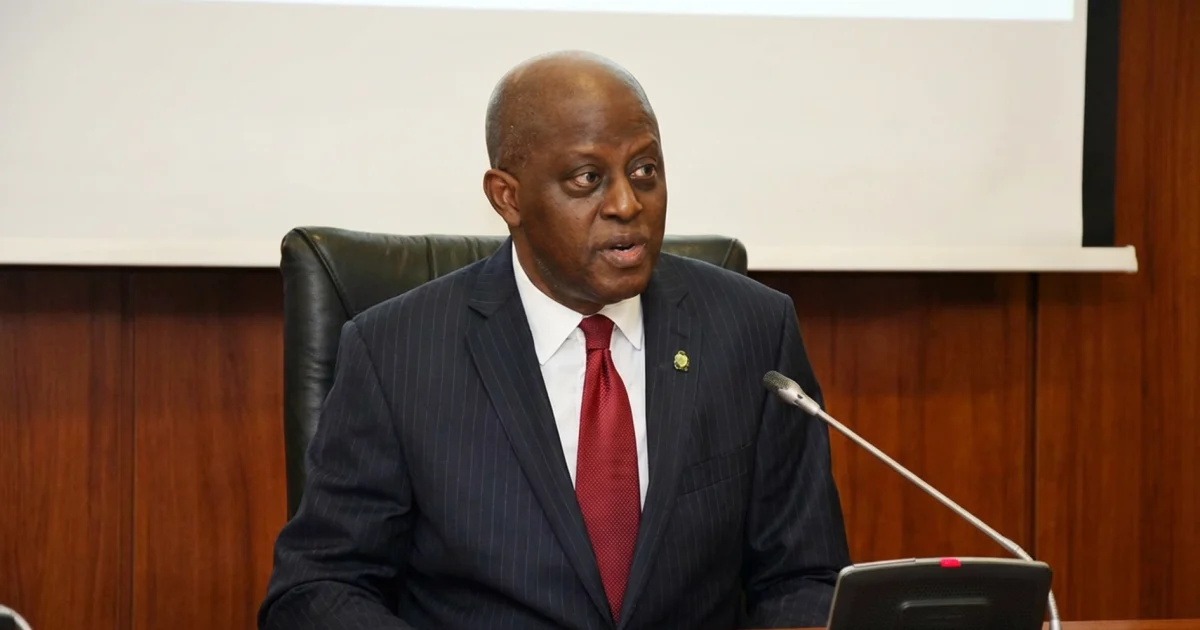
Most economists agree many of those decisions were necessary. The bigger question today is no longer whether the reforms were right. It is whether Nigerians will ever feel their benefits. That is why the Federal Government’s newly inaugurated 15-member Ministerial Advisory Committee may become one of the most important institutions of the reform era.
Its assignment is not to design another reform programme. Those decisions have largely been taken. Its task is considerably harder: ensuring the reforms already introduced begin producing visible improvements in jobs, incomes and living standards before public confidence in the reform agenda begins to fade.