Three years after Nigeria ended one of Africa’s largest fuel subsidies, the country’s finances look healthier than they have in years. Government revenues have surged. States are receiving record allocations. Investors have returned. Yet for millions of Nigerians, one question remains unanswered: Did the promised subsidy dividend ever arrive?
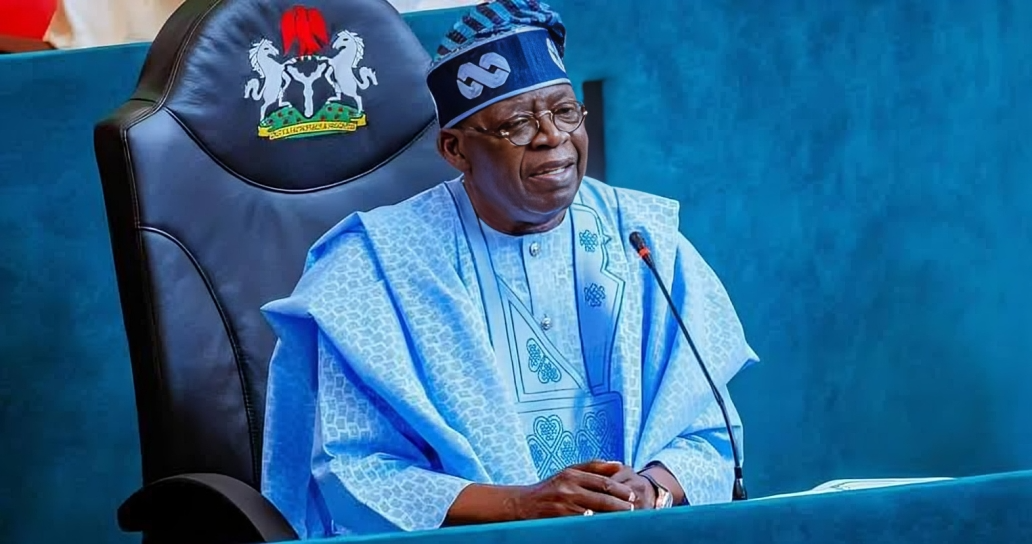
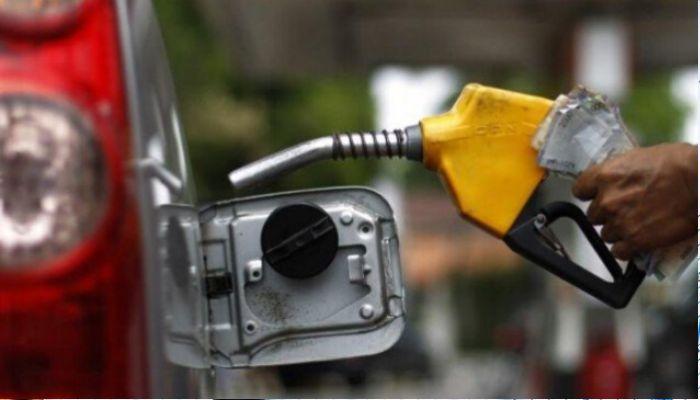
When President Bola Tinubu declared that “fuel subsidy is gone” in his May 2023 inaugural address, he set in motion the dismantling of a policy that had distorted Nigeria’s public finances for decades. The reform was widely judged unavoidable. The scheme consumed trillions of naira each year, disproportionately benefited higher-income households that consumed more fuel, encouraged large-scale smuggling into neighbouring countries where petrol was more expensive, and was repeatedly linked to inflated and fraudulent claims documented by official inquiries. Resources that could have financed roads, hospitals and schools were instead used to keep petrol prices artificially low.
The bargain offered to Nigerians was explicit: accept immediate economic pain, and the savings would be redirected to infrastructure, education, healthcare and social protection. The reform was also expected to reduce borrowing, curb corruption and strengthen investor confidence. Three years later, the subsidy has gone. The real test is whether the promised dividend followed it. That question can be answered only by examining what happened to public finances and whether those gains translated into visible improvements in citizens’ lives.