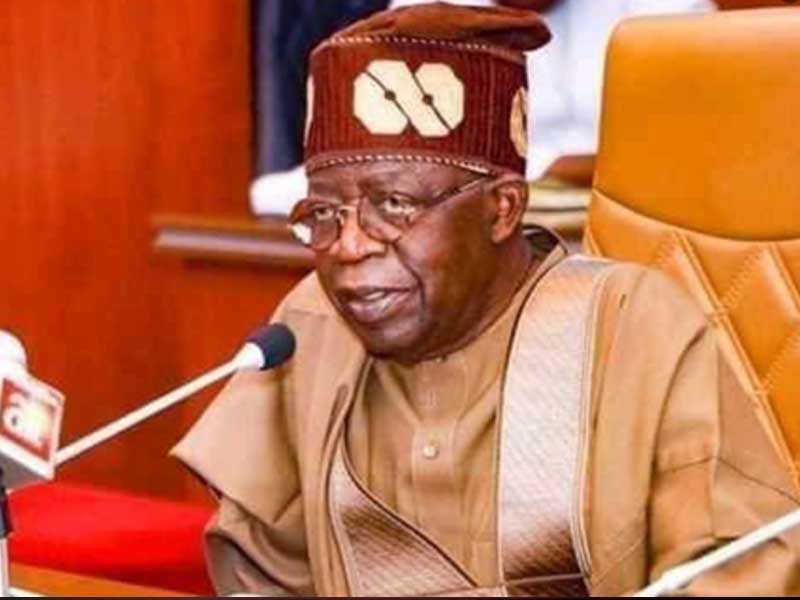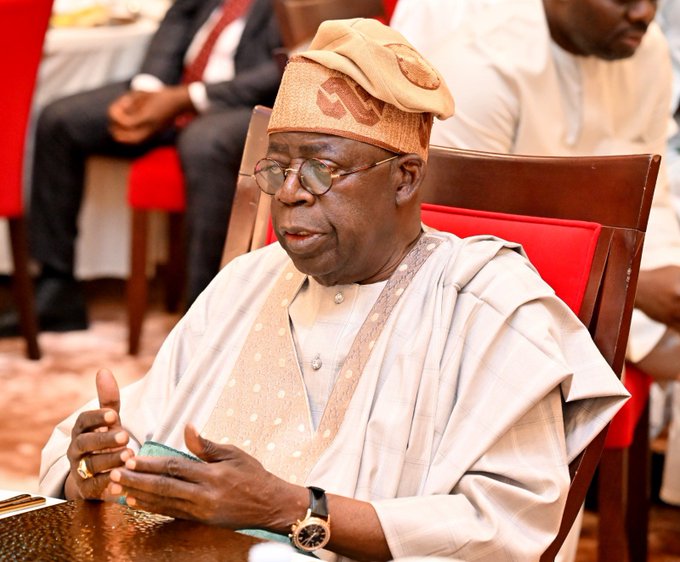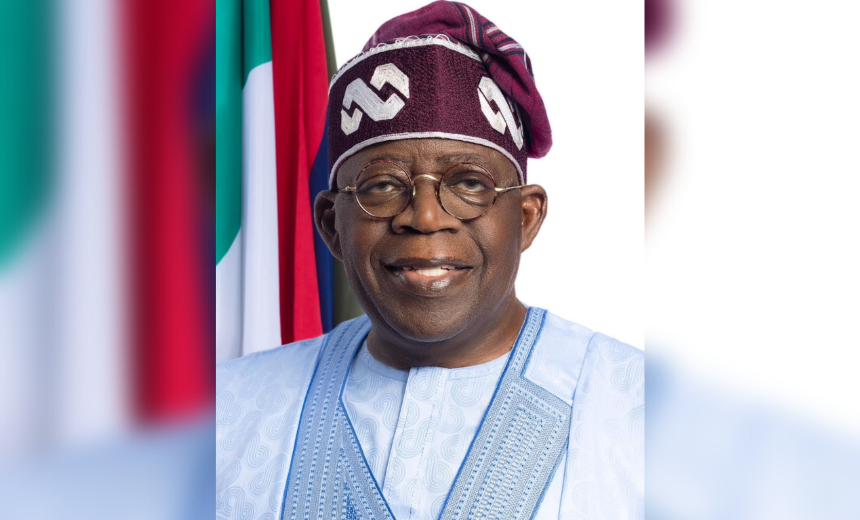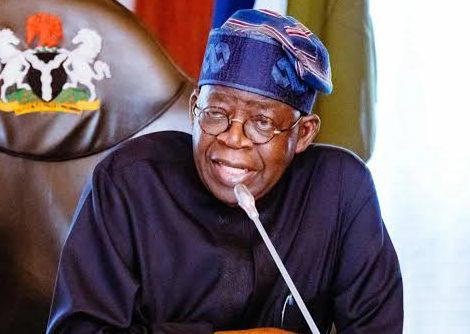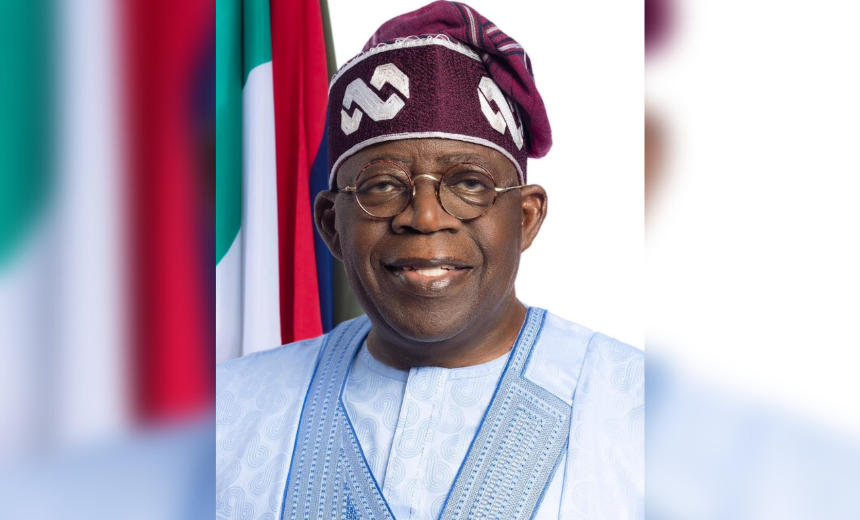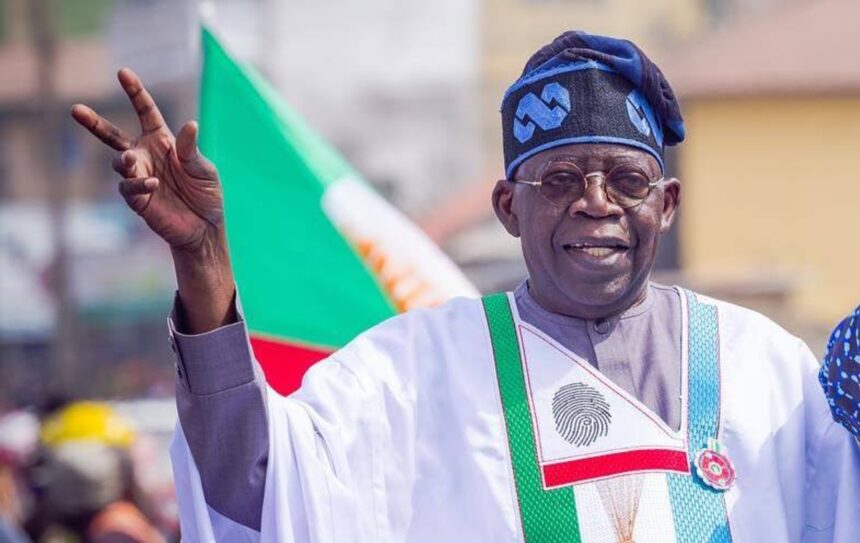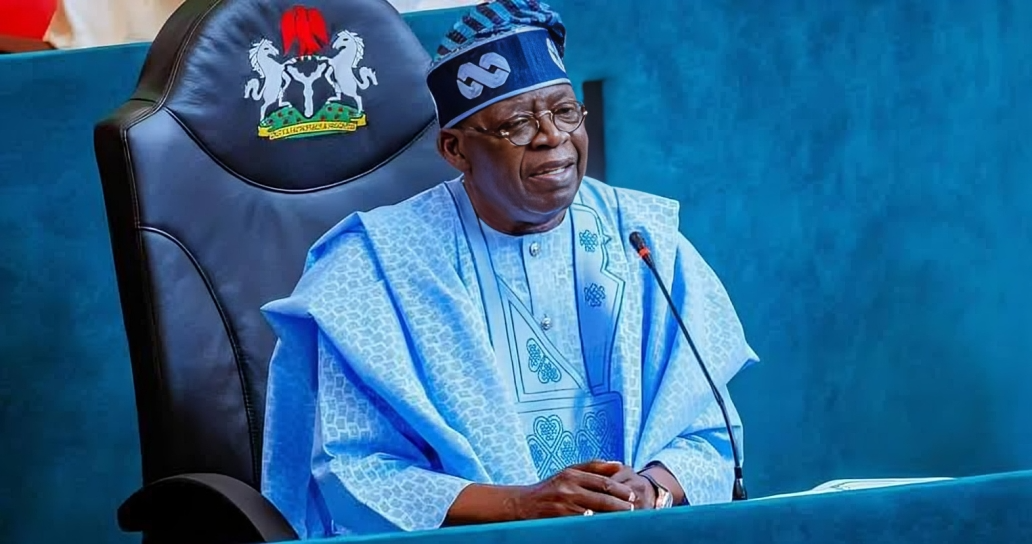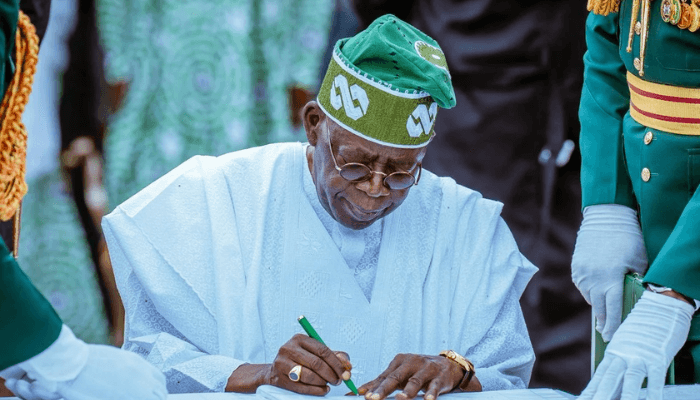
Three years after President Bola Tinubu stood at Eagle Square on his inauguration day and declared, in five words that would reshape Nigerian economic life, that “the subsidy is gone,” the serpentine queues that once strangled filling stations from Africa’s biggest oil-producing country have become something close to a distant memory.
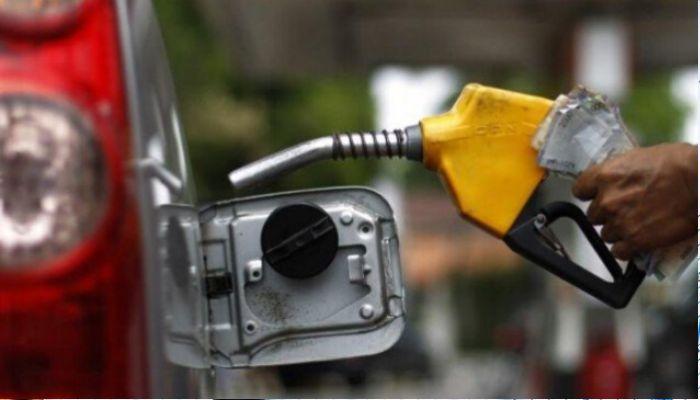
Walk into any filling station in Lagos, Abuja or Port Harcourt today, and Nigerians will find petrol.
The removal of Nigeria’s petrol subsidy in May 2023 unlocked what the federal government estimated at roughly N4 trillion in annual savings, money that had, for decades, lined the pockets of a shadowy cabal of oil traders, importers, and politically connected middlemen while ordinary Nigerians waited hours, sometimes days, for fuel.
By any honest reckoning, the subsidy was a racket. It was regressive, disproportionately benefiting wealthy Nigerians who own multiple vehicles and generators, and it made Nigeria the only significant oil producer on earth that consistently ran out of its own product.
The improving sentiment was reinforced recently when S&P Global Ratings upgraded Nigeria’s sovereign credit outlook, citing ongoing economic reforms, improving policy credibility, and signs of greater stability in the foreign exchange market.