June 6, 2026
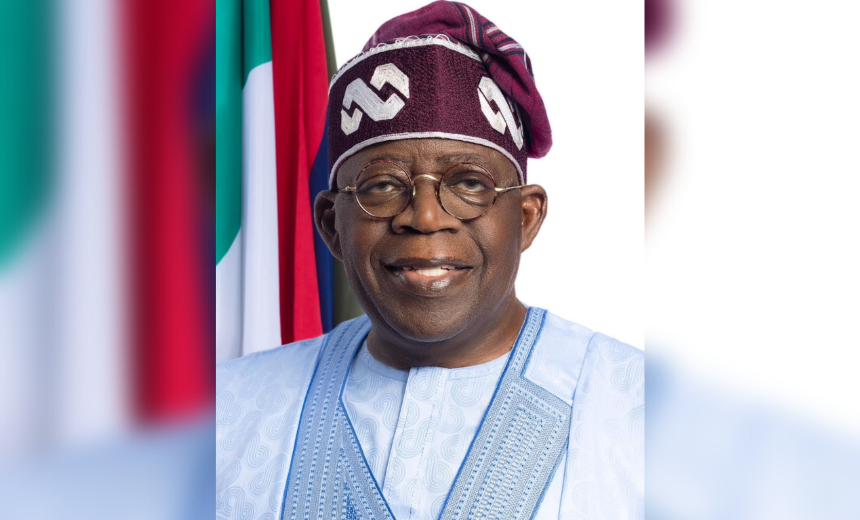
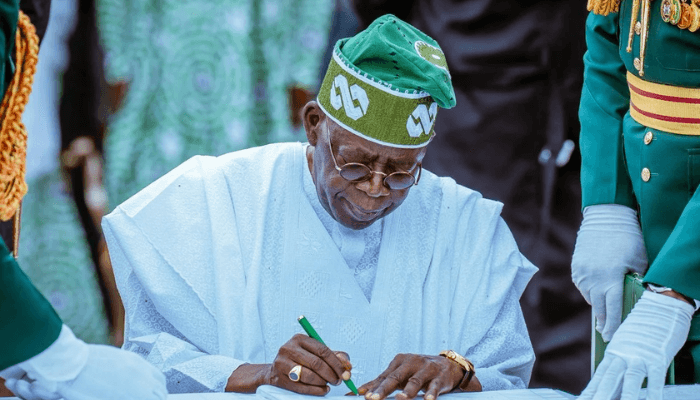
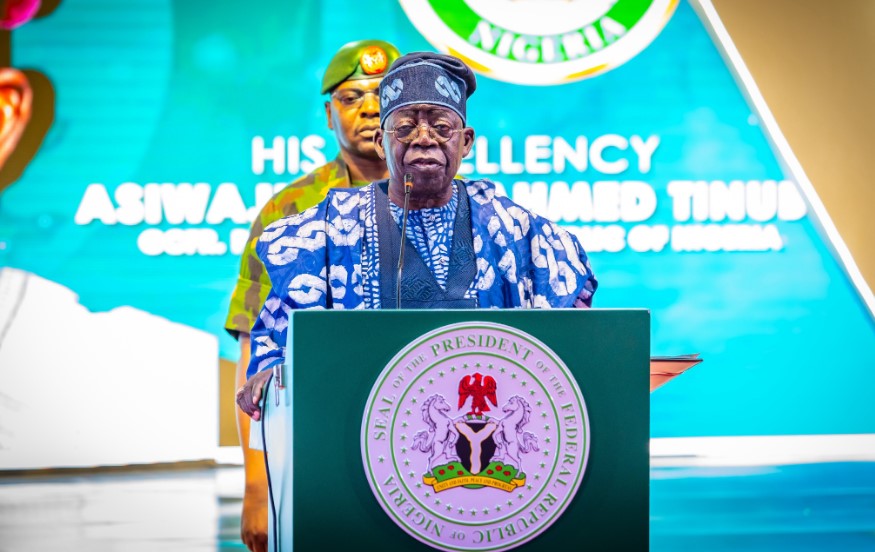
On May 29, 2023, President Bola Ahmed Tinubu took the podium at Eagle Square and delivered three words that would alter the course of Nigeria’s economic history: “Subsidy is gone.” What followed, including the swift unification of the foreign exchange windows, marked one of the most consequential shifts in economic policy since the return to democratic rule. The administration did not merely introduce a new set of policies,it dismantled an old framework that had shaped Nigeria’s economy for decades.
Three years into the Renewed Hope agenda, the dust from those decisions is beginning to settle. The story of the Tinubu administration is neither one of unqualified success nor outright failure. It is a story of difficult choices, painful adjustments, and an ongoing debate about whether the costs of reform will ultimately be justified by the benefits. It is a story defined by a tension that remains unresolved, the visible improvement in several key economic indicators alongside the persistent hardship experienced by millions of Nigerians. As the administration enters the final stretch of its first term, the question is no longer what was broken. It is whether the repair has been worth the price.