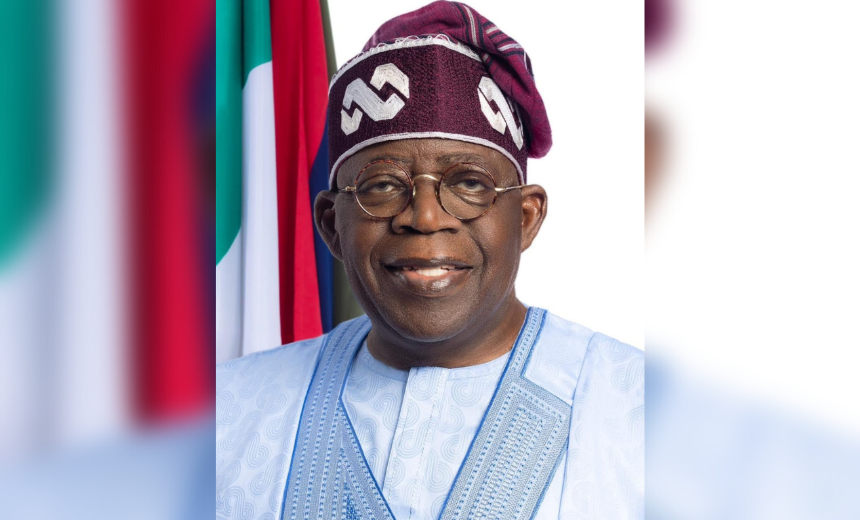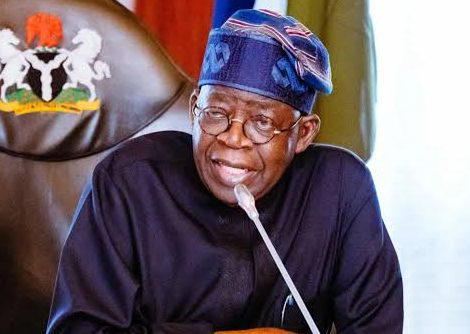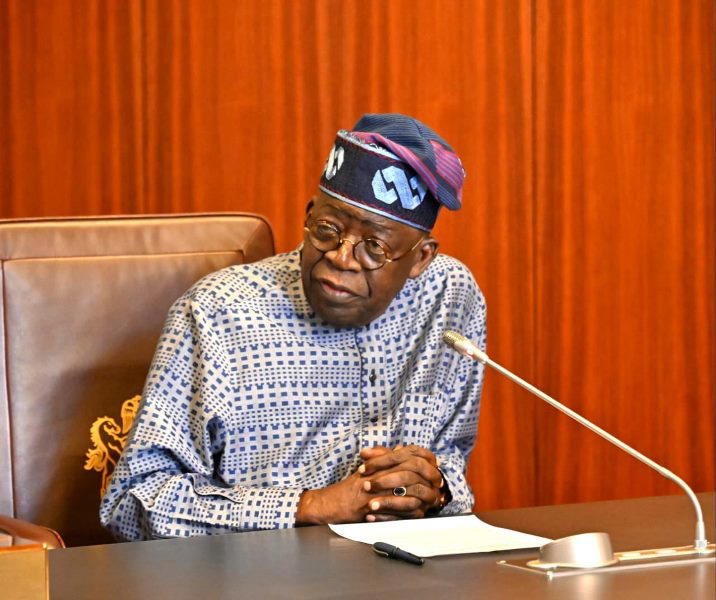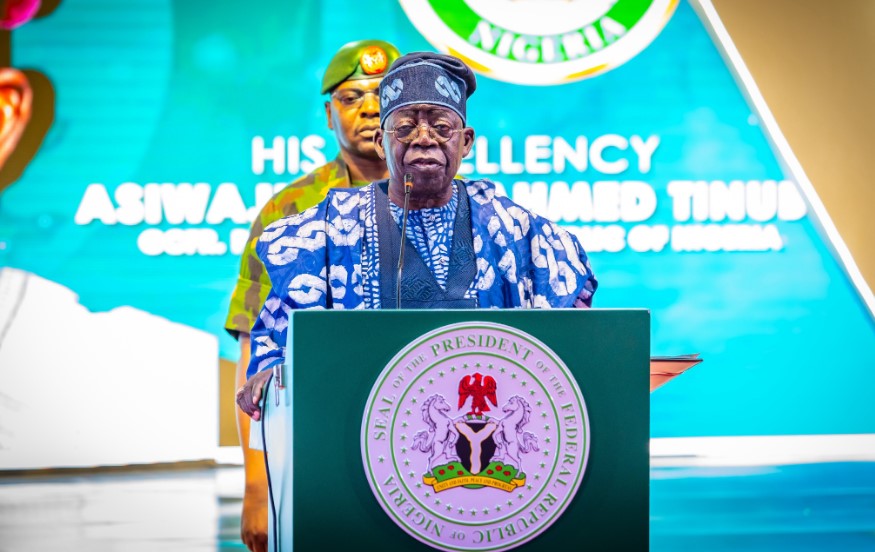
President Bola Tinubu’s administration is, three years on, quietly but steadily reshaping Nigeria’s trajectory through targeted reforms aimed at strengthening security, revitalising production and restoring national confidence, writes Linus Aleke.
Three years into the administration of President Bola Tinubu, public assessments of his stewardship continue to generate intense debate. Such scrutiny is both inevitable and healthy in a democracy as diverse and complex as Nigeria. However, beyond partisan rhetoric and the daily torrent of political criticism, a broader examination of developments across key sectors reveals a record of notable progress. From security and crude oil production to agriculture and education, the administration has embarked on reforms that are gradually altering the landscape of governance and national development.
When President Tinubu assumed office in May 2023, he inherited a daunting security environment. The country was grappling with terrorism in the North-East, banditry in the North-West, separatist violence in parts of the South-East, widespread kidnapping and criminality across several regions, as well as large-scale crude oil theft in the Niger Delta.
Faced with these multifaceted threats, the administration moved to strengthen the nation’s security architecture, recognising that sustainable economic growth and national prosperity cannot thrive in an atmosphere of insecurity. Enhanced intelligence gathering, increased funding for military operations, improved inter-agency collaboration and the acquisition of modern security assets became central pillars of the government’s response.