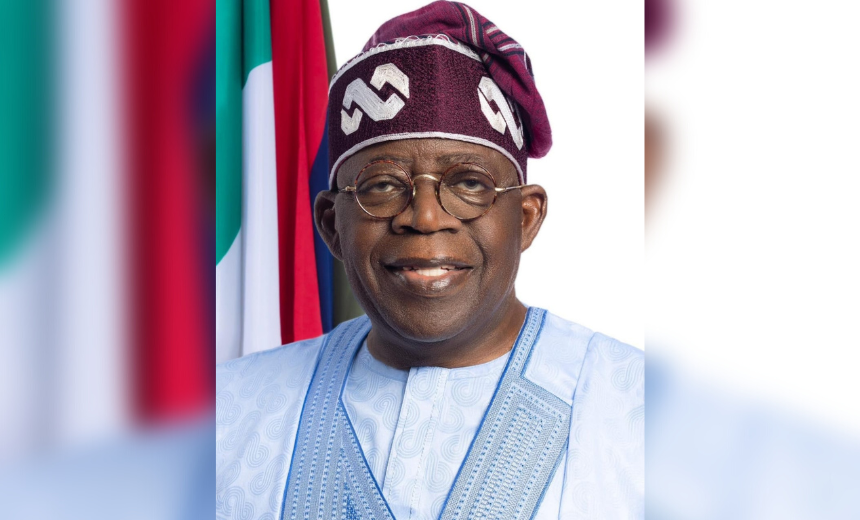
Every nation reaches a defining moment when reform moves beyond promise and becomes real, visible on the roads people travel, the hospitals they enter, and the infrastructure that powers their daily life. For Nigeria, that moment is no longer ahead. It is here.
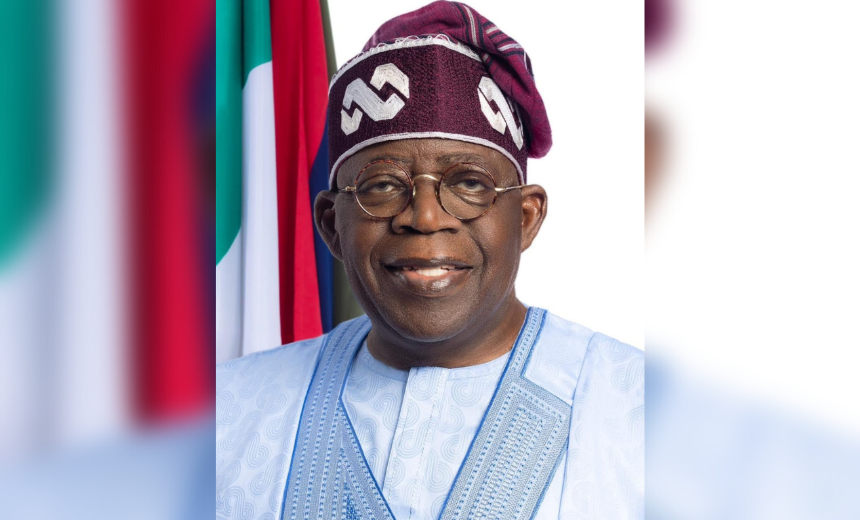
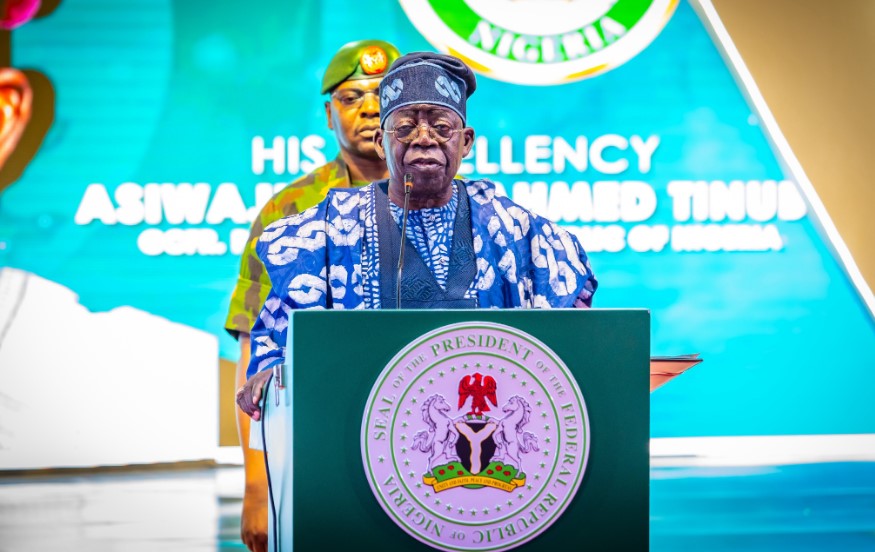
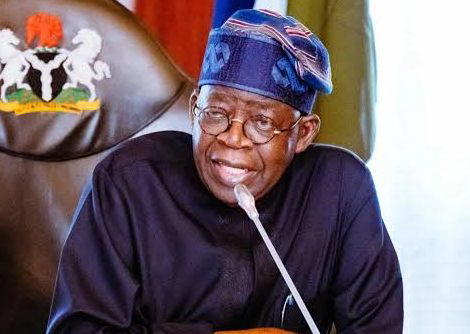
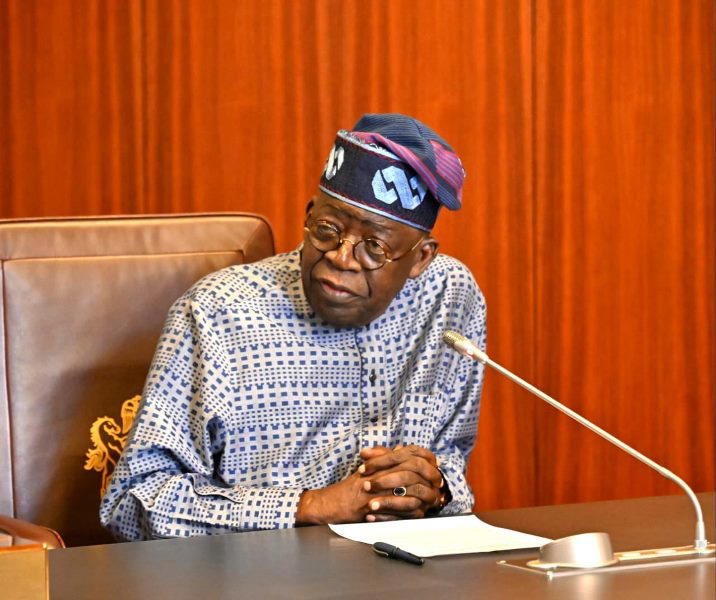
Three years since President Bola Tinubu, GCFR, assumed office on May 29, 2023, the evidence is no longer measured only in policies announced. It is measured in concessions signed, airports handed over, power plants commissioned, and investors arriving at our doorstep with capital in hand. This administration is no longer defined simply by the courage to make tough decisions, but by the visible results those decisions are delivering.
The road here was not easy, and President Tinubu never pretended it would be. According to the National Bureau of Statistics, he inherited an economy under severe strain, a fiscal deficit at 5.4 per cent of GDP, net foreign reserves of $3.99bn, and an investor community that had grown deeply sceptical of Nigeria’s promises. In those first decisive hours, he told Nigerians the truth about the cost of the journey ahead. The subsidy removal, the exchange rate unification, and the coordinated fiscal and monetary reforms that followed were acts of political courage rarely seen in any democracy. They also reflected strategic foresight, because no nation can attract the private capital needed to build a modern economy while continuing to subsidise a broken status quo.