The authorities must do more to make the country much more livable
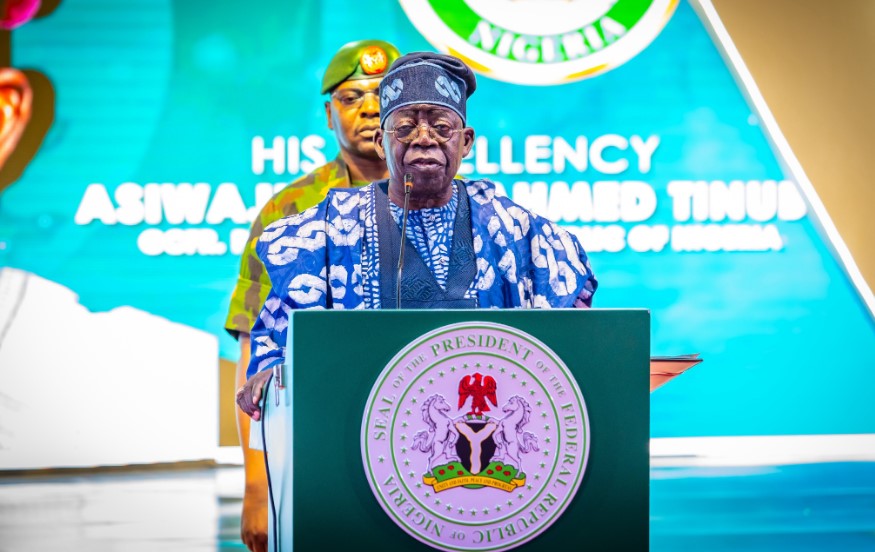
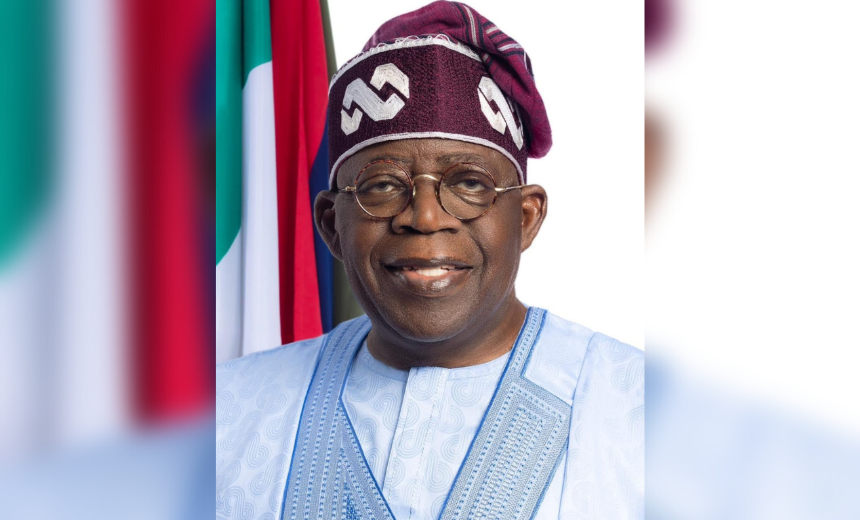
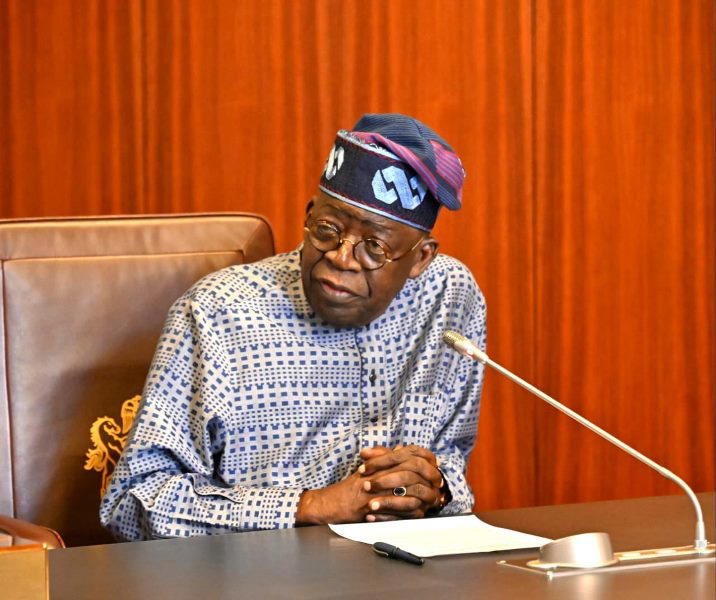
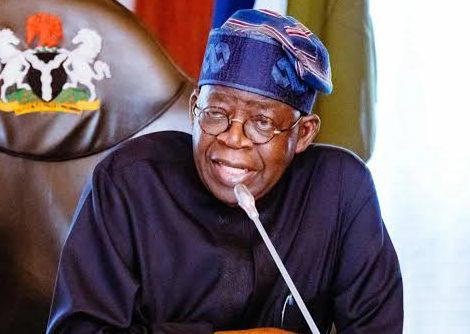
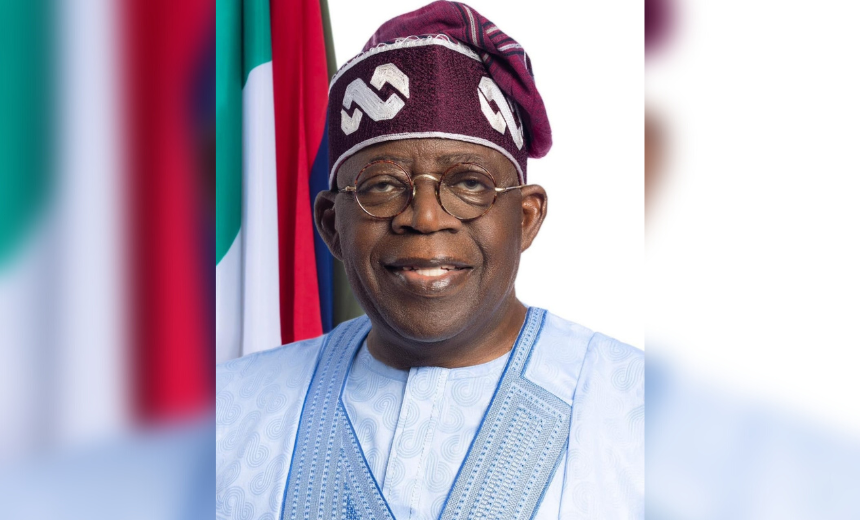
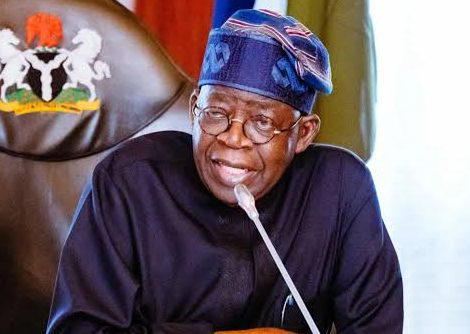
The administration of President Bola Tinubu on Friday marked three years since inauguration. Just as Nigerians marked 27 years of unbroken civil rule in the country. Quite naturally, there were congratulatory messages from supporters of the president on what is clearly a milestone moment. In a four-year presidency, the first three years symbolise the end of effective governance. The remaining year (as we have seen in recent weeks) is spent mostly in transitional politics, and navigating the trenches of democratic succession. It is therefore appropriate that the public mind identifies the character, achievements and possible legacies of the presidency in question. Although President Tinubu has given himself a pass mark, the verdict of Afenifere (Yoruba socio-cultural group) and that of the opposition political parties are not as generous.
In the idiom of the Tinubu administration, the last three years have been a period of reform in critical sectors of the economy. The twin pillars of that reform were the removal of subsidy on petroleum products and the liberalisation (or floating) of the foreign exchange (FX) market. While the improvement in macro indicators is yet to translate to relief for most Nigerians in cost of living crisis, there is an obvious shift in external reserves, foreign trade, foreign direct investment and foreign portfolio investment flows, and Gross Domestic Product (GDP) growth. Under the previous administration of the late President Muhammadu Buhari, Nigeria had been living a lie, borrowing from the Central Bank of Nigeria (CBN), including to pay salaries.