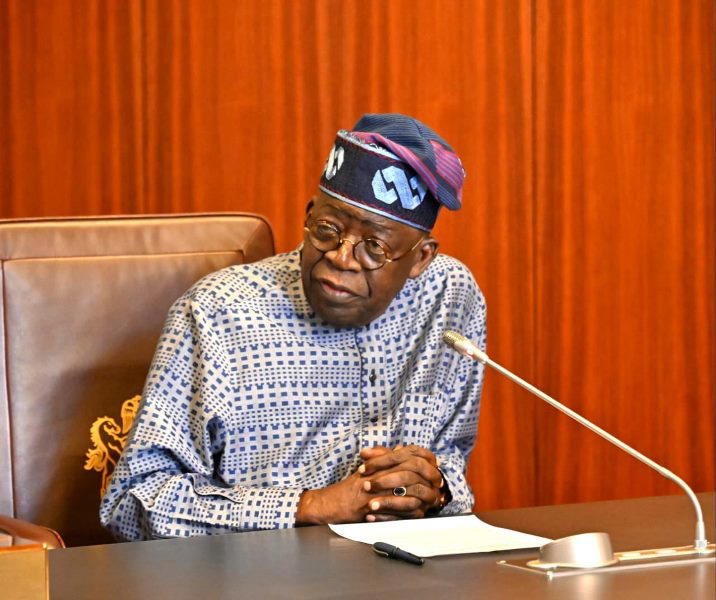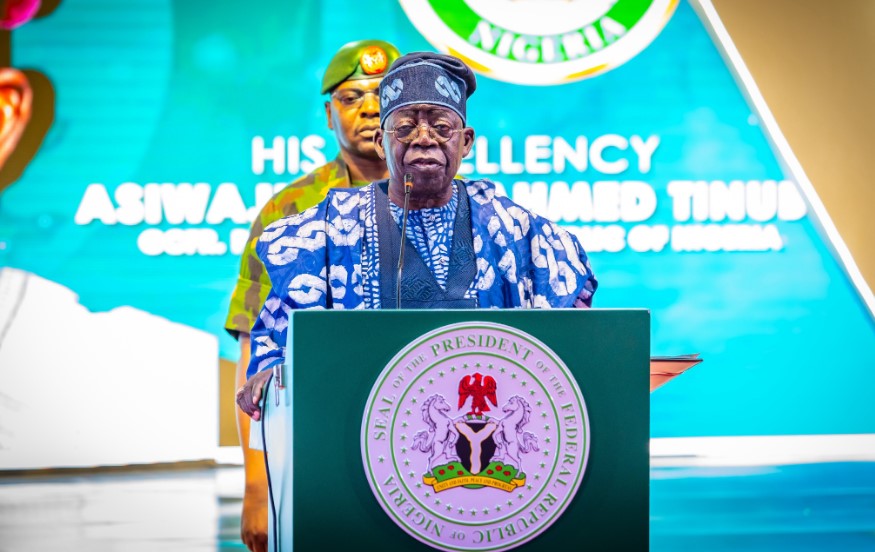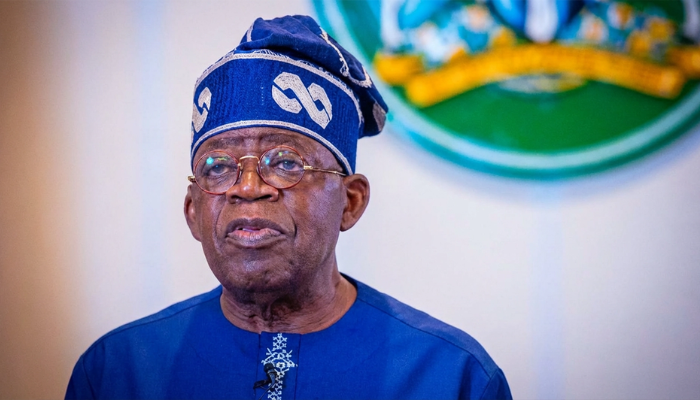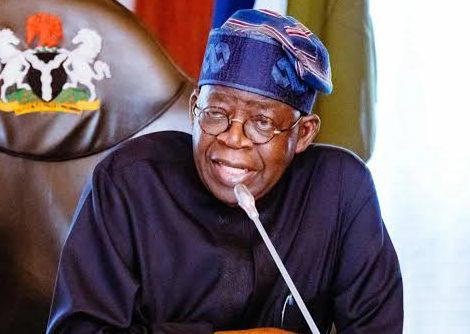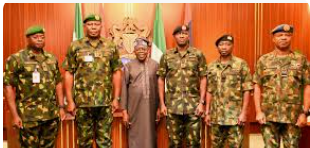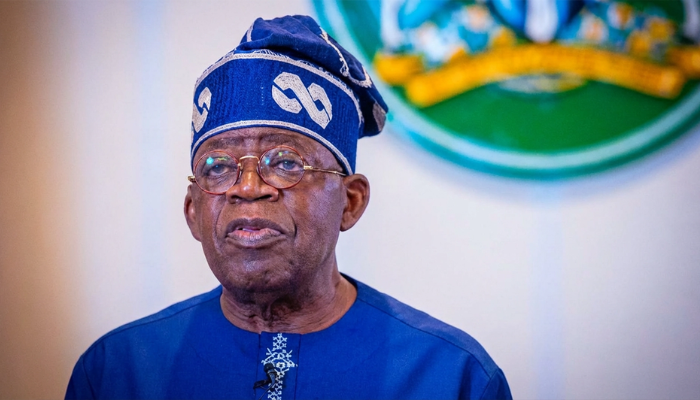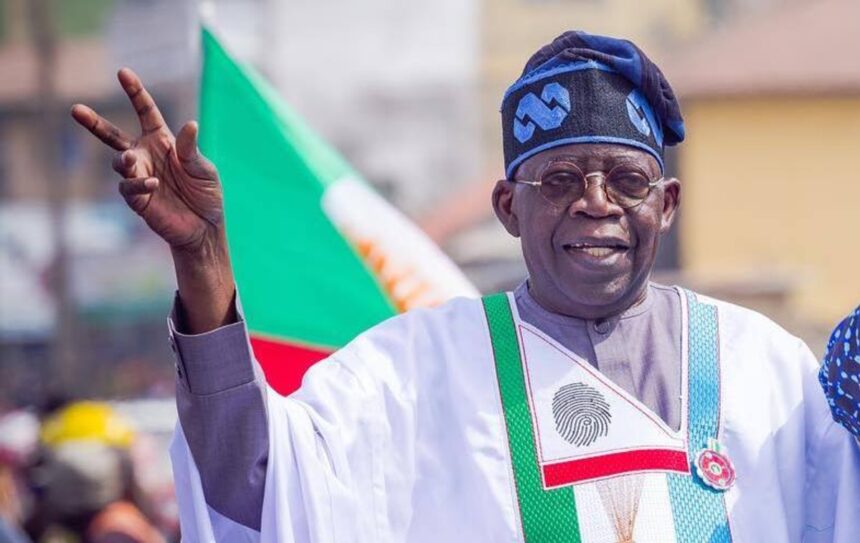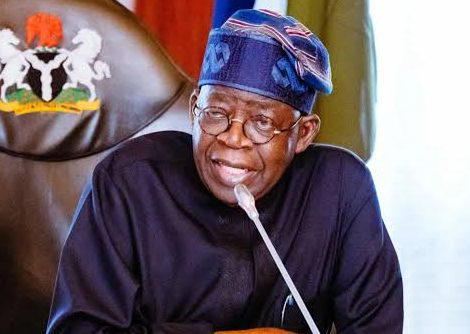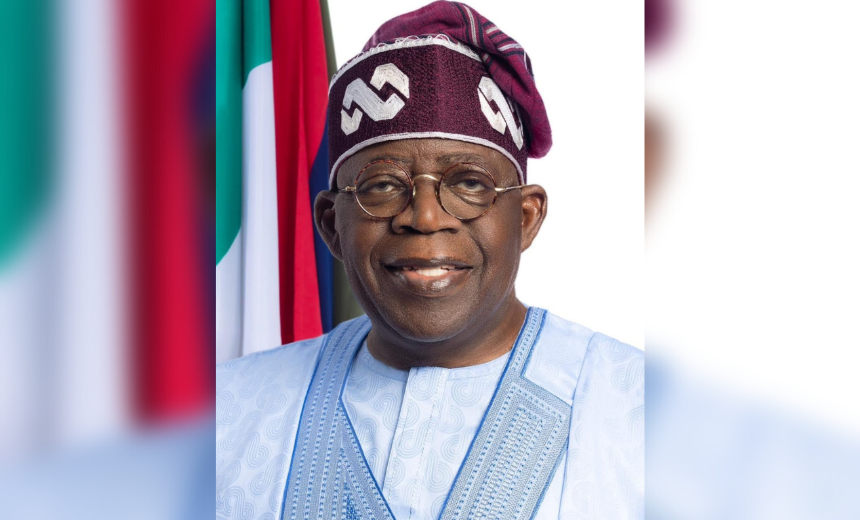
President Bola Tinubu on Friday marked his third year in office, having been sworn in as president on May 29, 2023. His assumption of office after the tenure of former President Muhammadu Buhari came with enormous hopes and expectations from Nigerians. Many citizens were justifiably optimistic that Tinubu’s presidency would usher in better days and provide solutions to some of the country’s longstanding problems.
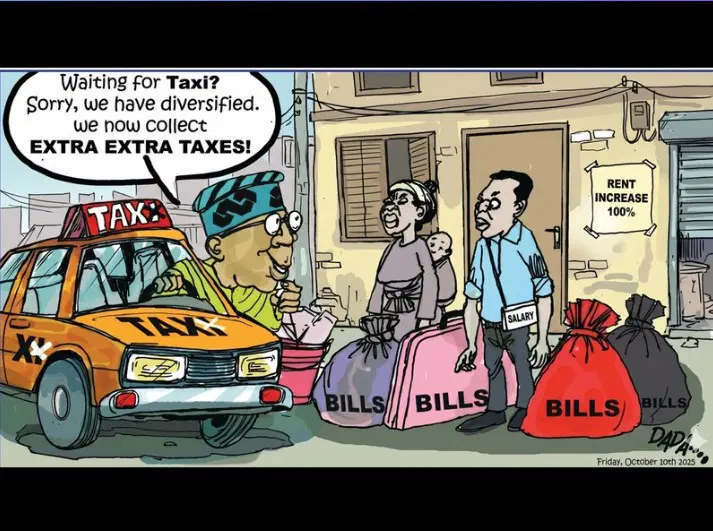
Three years down the line, however, Nigerians remain sharply divided over the direction and impact of his administration. Supporters point to bold economic reforms, renewed infrastructure ambitions, and efforts to stabilise public finances as evidence of courageous leadership willing to confront problems previous administrations repeatedly avoided. Critics, on the other hand, see a nation weighed down by worsening hardship, persistent insecurity, high inflation, and deepening public frustration.
In many ways, Tinubu’s presidency has become a study in contrasts: ambitious reforms on one hand and painful social consequences on the other. Three years after the Renewed Hope Agenda was launched, the major question confronting Nigerians is whether the sacrifices demanded by the administration are gradually laying the foundation for recovery—or merely deepening the burdens of everyday life for millions of citizens.