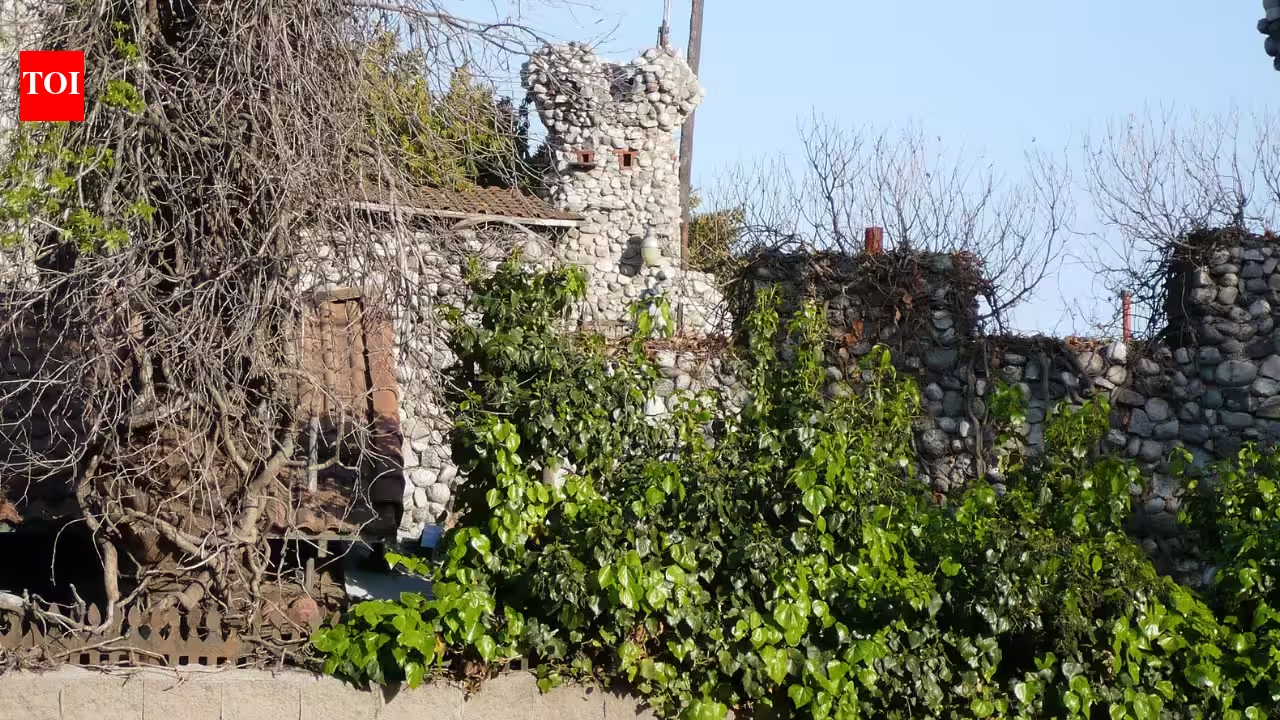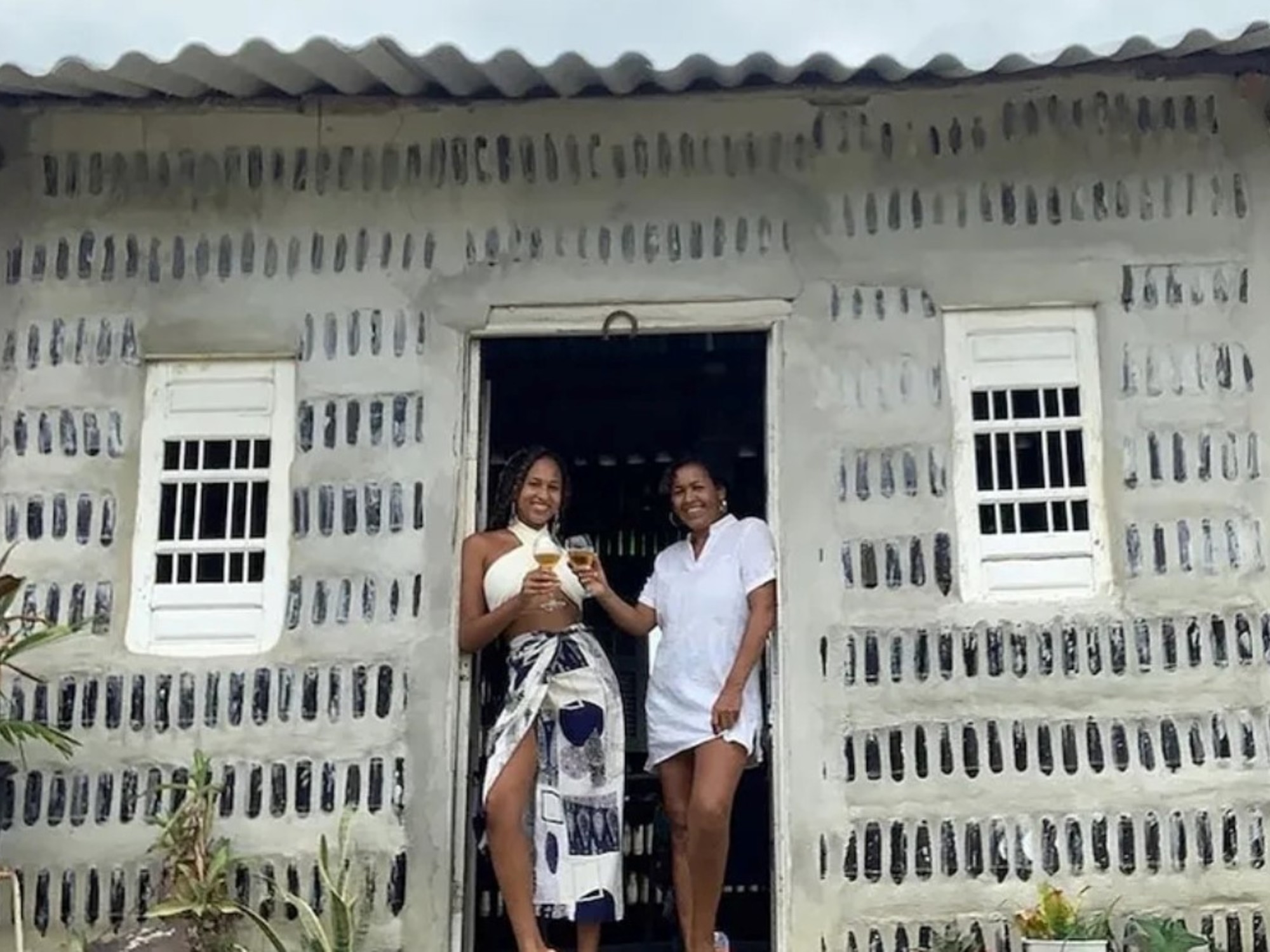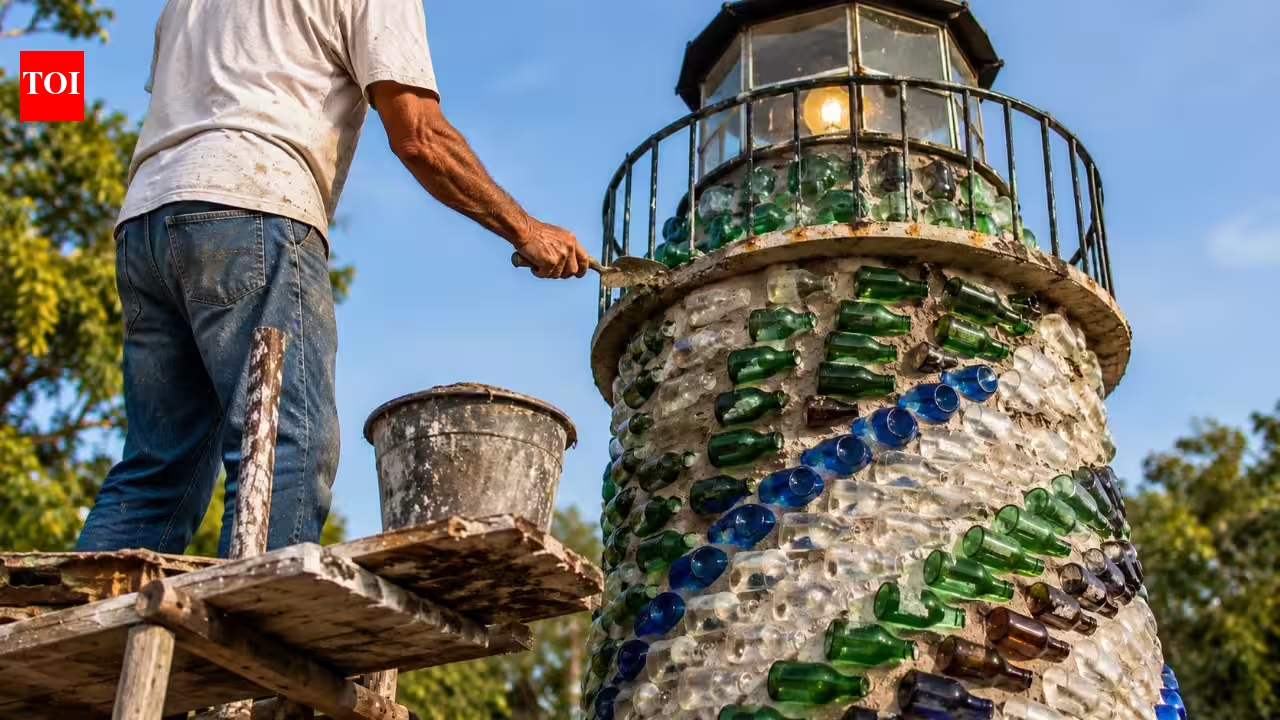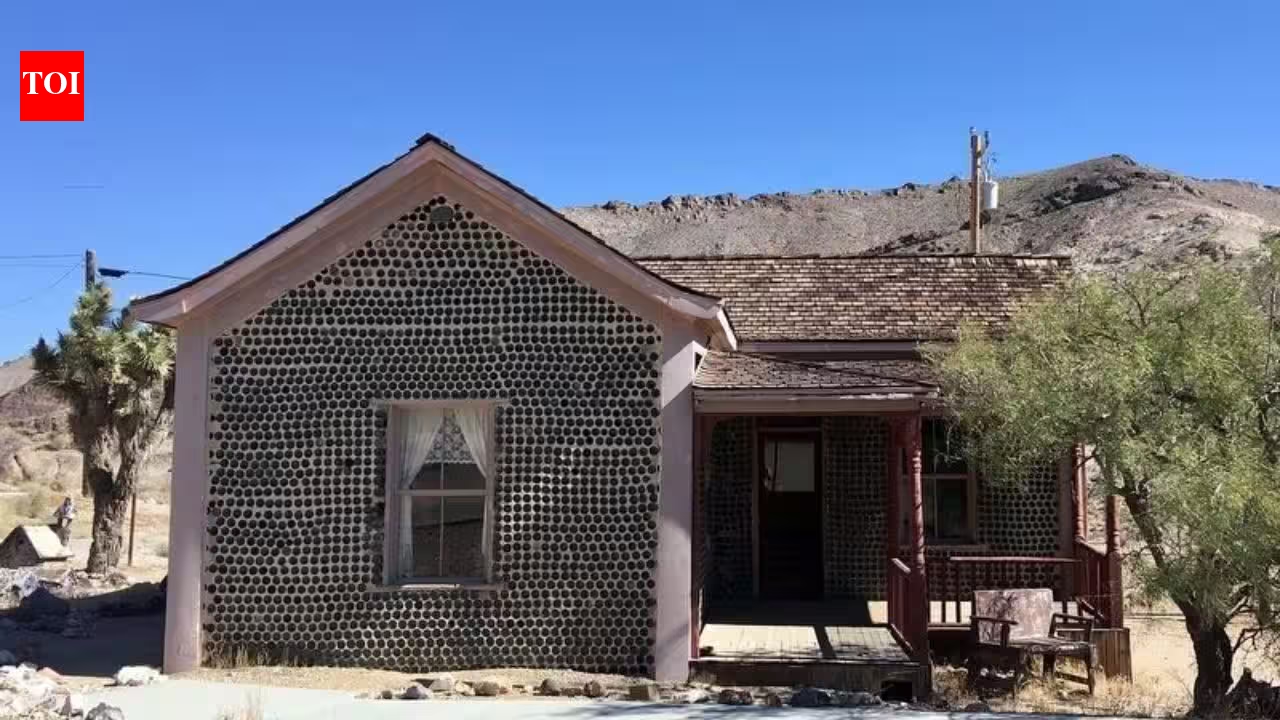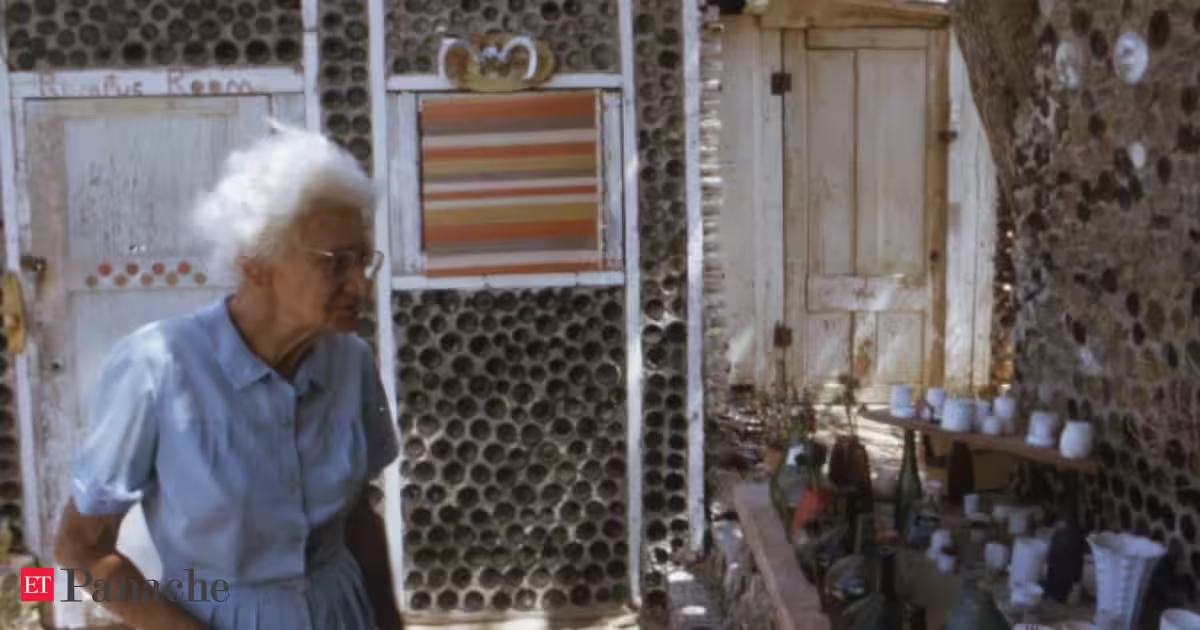
What began as a practical search for cheap building material eventually became one of California's most unusual folk-art environments. In the 1950s, Tressa “Grandma” Prisbrey began bringing home bottles and discarded objects from a local dump in her Studebaker pickup. She set them into cement, built walls and kept going. Over the years, her small plot in Simi Valley was transformed into Bottle Village, a collection of houses, pathways and structures made largely from things other people had thrown away.It Started Because Cement Blocks Were Too ExpensivePrisbrey had moved to Simi Valley by 1947 and later bought a one-third-acre property with her husband, Al Prisbrey. The couple lived near a poultry farm, and she initially needed a retaining wall and storage shed. There was one problem: conventional cement blocks cost more than she wanted to spend. According to the SPACES Archives, Prisbrey instead drove to the local dump and collected bottles and other discarded materials she could use for construction. The archive dates the main construction of Bottle Village from 1956 to 1965.Then Came the ‘Pencil House’The project soon grew beyond its original purpose. Prisbrey later told visitors that she needed somewhere to keep her enormous pencil collection, which has variously been estimated at between 2,000 and 17,000 pieces. She created what became known as the Pencil House. But finishing it did not stop her. Prisbrey continued collecting unwanted objects and incorporating them into her property. Eventually, she had created 13 small houses and other structures, connected by colourful mosaic pathways. Bottles, concrete, dolls, pencils, tiles and other found objects became building and decorative materials.‘Grandma’ Became Part of the AttractionBottle Village was not simply a collection of unusual buildings. Prisbrey herself became closely associated with the experience. SPACES records that she became known as “Grandma” and personally showed visitors around the property. During tours, she shared stories, pointed out unusual features and even sang and played the piano inside a building she called the Meditation Room. Her unconventional creation eventually gained official recognition. Bottle Village became a Ventura County Cultural Landmark in 1979 and a California Registered Historical Landmark in 1981.An Earthquake Nearly Destroyed Her WorkPrisbrey moved to San Francisco in 1982 as her health declined and died in 1988. Six years later, the 1994 Northridge earthquake, which had a magnitude of 6.7, severely damaged Bottle Village. Efforts to preserve the site continued, however, and it was placed on the National Register of Historic Places in 1996. Volunteers have since carried out restoration work.What Others Threw Away Became Her LegacyPrisbrey did not begin Bottle Village with plans to create a recognised piece of American folk art. She was looking for inexpensive materials and found them among objects others had discarded. Bottle by bottle, that practical solution became something much larger. Decades later, the survival and historic recognition of Bottle Village offer an enduring reminder that discarded objects do not always have to mark the end of a story. Sometimes, they can become the beginning of one.
In 1956, this Californian grandmother began building with discarded bottles. Years later, she had created an entire village out of plastic waste
Tressa Prisbrey transformed waste into wonder by creating Bottle Village, a whimsical collection of thirteen structures crafted from discarded materials in Simi Valley. Fondly nicknamed "Grandma," she welcomed visitors to explore her artistic haven. Although an earthquake struck and inflicted damage, passionate restoration efforts ensured the village's legacy lived on, showcasing how creativity can breathe new life into what others deem worthless.
496 words~2 min read