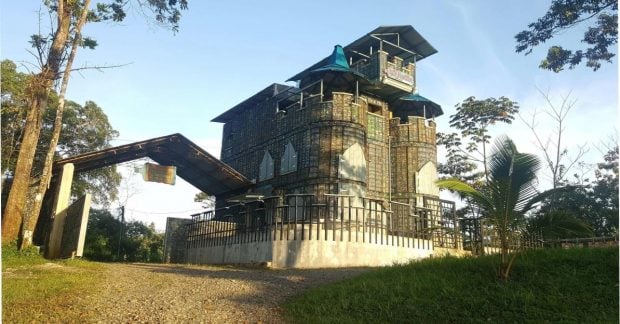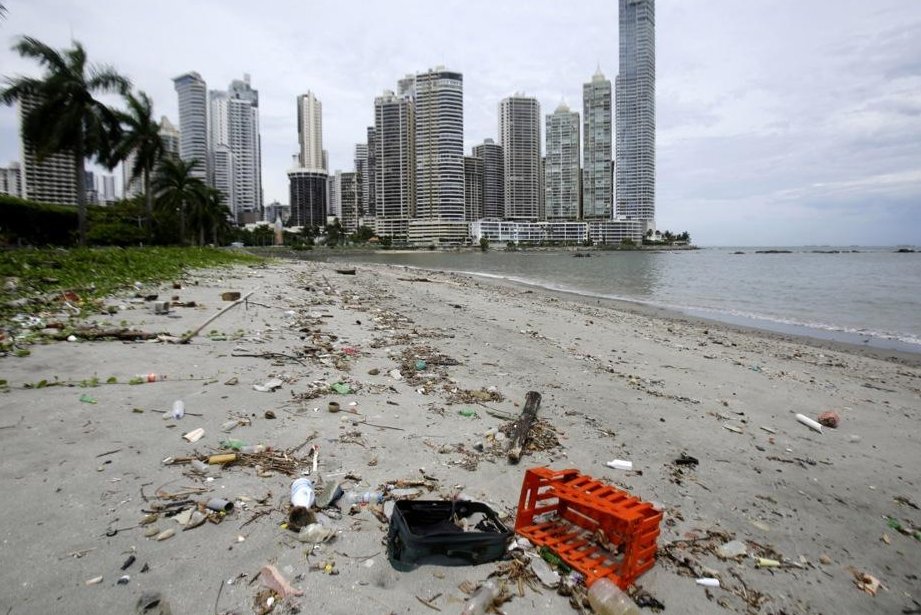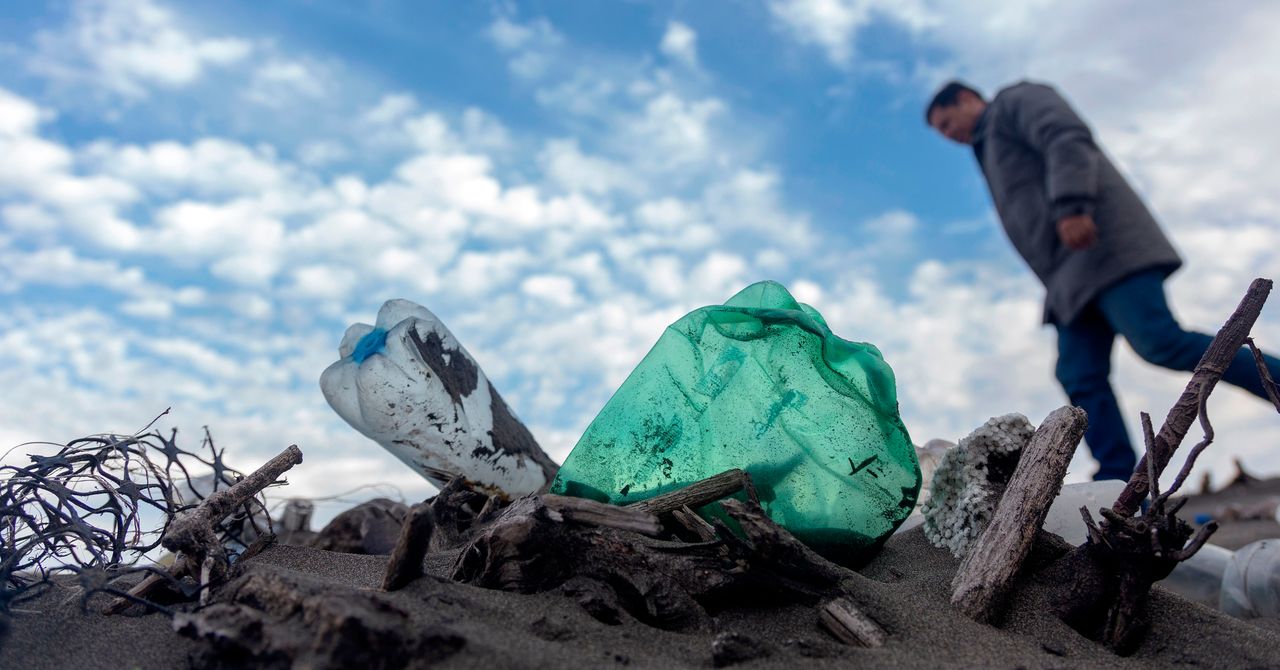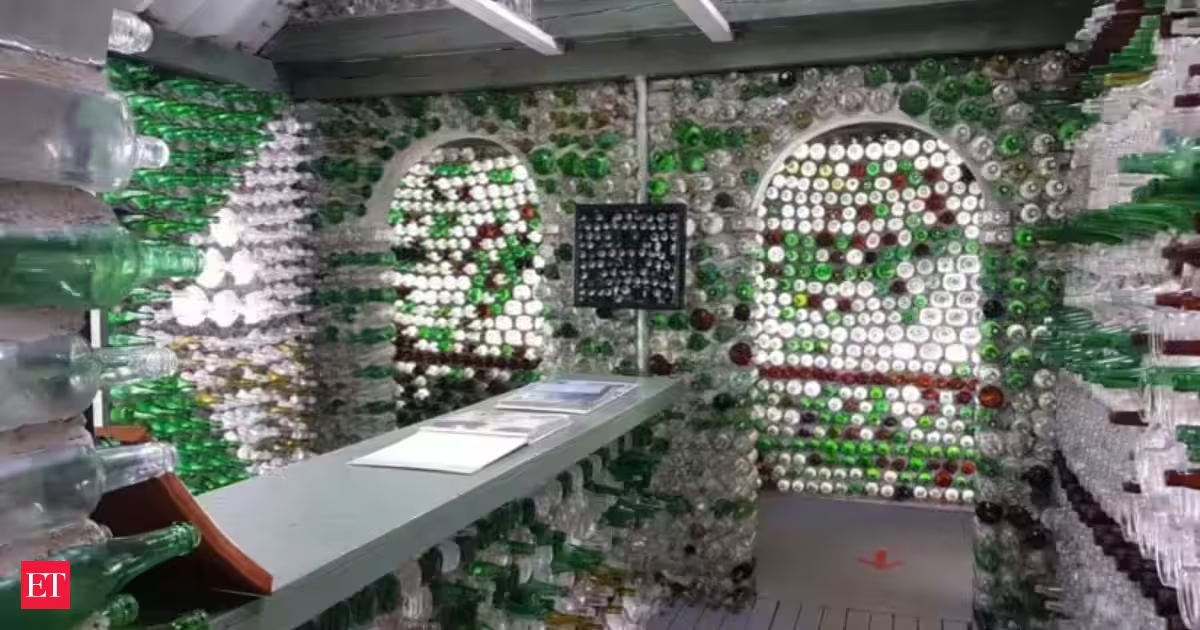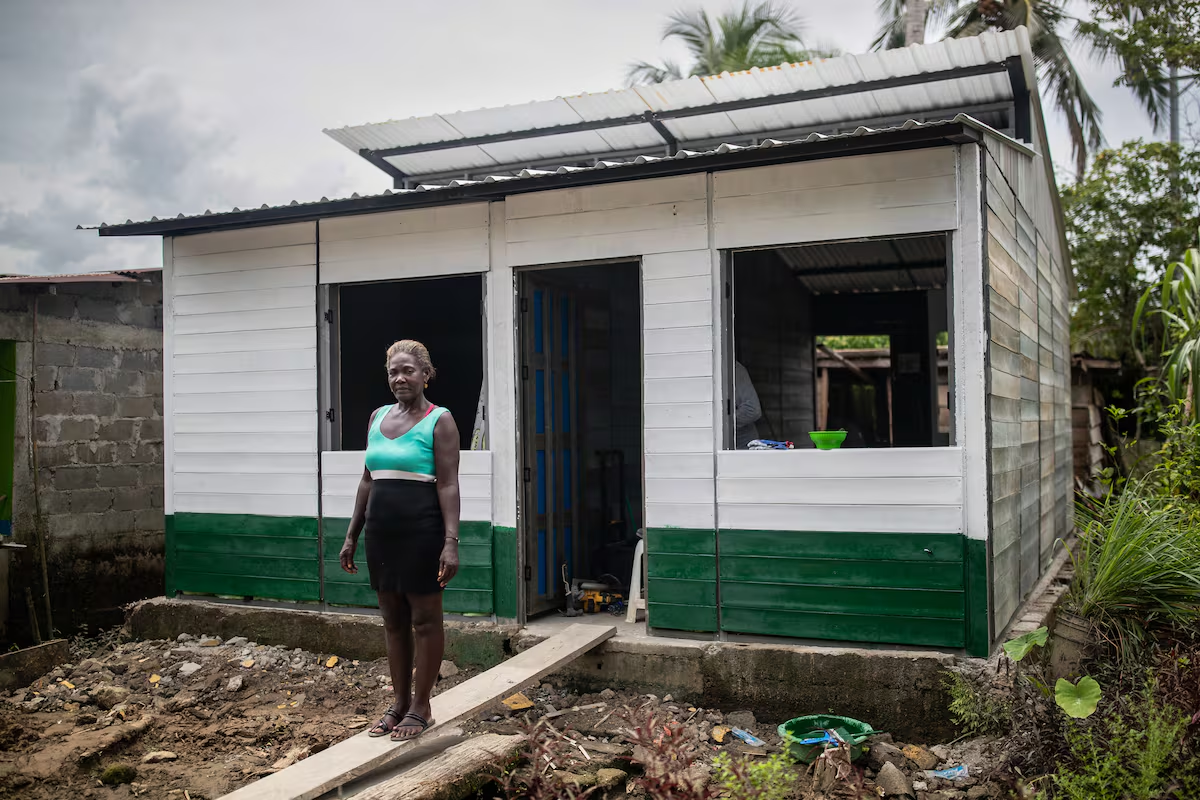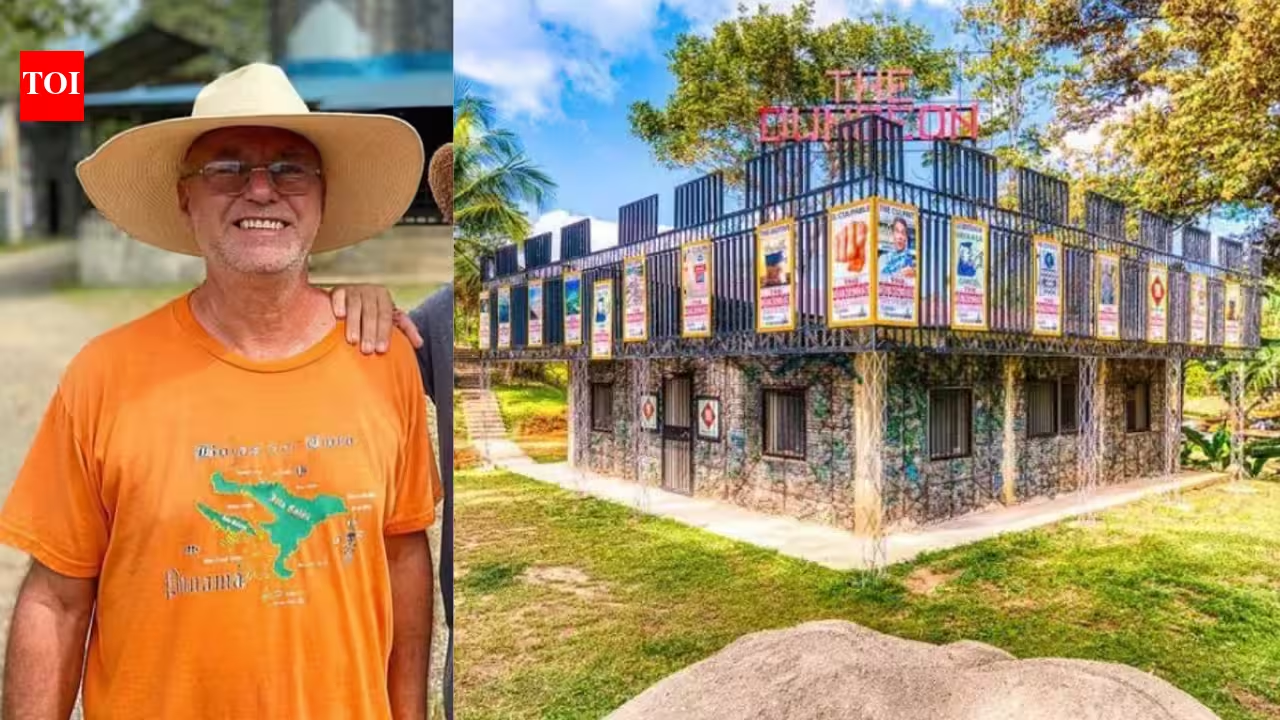
The project collected waste from across the island, and Bezeau later expanded the effort by collecting discarded bottles from businesses | instagram/@plastic.bottle.villageIn 2012, Robert Bezeau began looking closely at the waste piling up on Isla Colón in Panama's Bocas del Toro archipelago. The Canadian entrepreneur had moved to the islands a few years earlier and was struck by the amount of trash in an area heavily visited by tourists. That year, he helped start a recycling effort to understand what was being thrown away and where it was ending up, and he noticed that plastic bottles quickly emerged as one of the most visible parts of the problem. The project collected waste from across the island, and Bezeau later expanded the effort by collecting discarded bottles from businesses. The bottles became the material inside the walls of houses. The idea grew into Panama's Plastic Bottle Village, a development built around structures that use discarded PET bottles as part of their construction. The project's own account says Bezeau's recycling program began in 2012 and that more than a million bottles were accumulated over about a year and a half.The project collected waste from across the island, and Bezeau later expanded the effort by collecting discarded bottles from businesses | instagram/@plastic.bottle.villageThe waste study that changed the projectA survey was carried out in 2012, after which, the scale of the waste problem became clearer. Reporting on the project, The National said Bezeau and a team of 15 others collected 60,000 bags of rubbish on Isla Colón between August and December that year. Examining what had been collected showed how frequently plastic bottles appeared in the waste stream. After the study ended, Bezeau bought a truck and hired workers to collect bottles from hotels and restaurants, and by the end of 2013, he had accumulated a large stockpile.The question was what to do with it. Bezeau's background was in manufacturing, and he eventually developed a modular construction system using steel cages. Empty PET bottles were packed into the cages, which could then be joined together to form walls. The National reported that the cages varied in capacity, holding roughly 120 to 300 bottles depending on bottle size. They could be arranged in different combinations to build structures of different dimensions. The steel framework formed part of the construction system, with the bottle-filled cages incorporated into the walls. The idea moved beyond a single experimental house and became the basis for a planned residential community. The project was intended to demonstrate one possible use for a waste material that had accumulated in large quantities on the island.Houses first, then a castle made from 40,000 bottlesBy 2017, Panamanian newspaper La Prensa reported that the initiative had built two houses as well as a castle. The newspaper said Bezeau had begun investigating the waste produced on Isla Colón in 2012 and found that plastic bottles made up a significant part of it. He said that about half a million bottles had been collected within six months of the collection effort described in the report.One of the most visible structures associated with the project is the four-story Inspiration Castle, which uses 40,000 plastic water and soda bottles, according to Smithsonian Magazine. The Smithsonian's account of unusual homes built from everyday objects also described a bottle-built dungeon using 10,000 bottles. These structures were part of the larger experiment that turned discarded containers into a building material rather than simply treating them as rubbish.Earlier plans described a community of about 120 homes on Isla Colón, though plans and construction progress should not be confused with completed development. The most firmly documented fact is that several bottle-based structures were constructed, including homes and the 40,000-bottle castle, while the broader village concept developed around them. La Prensa reported on the two reuse projects, Bezeau's 2012 waste investigation and the bottle collection effort on Isla Colón.The most firmly documented fact is that several bottle-based structures were constructed, including homes and the 40,000-bottle castle | instagram/@plastic.bottle.villageThe project is still promoting the bottle-built sitePlastic Bottle Village continues to operate from Bocas del Toro, and its website currently lists the Inspiration Castle as a place visitors can tour and identifies Robert Bezeau as the project's creator. The site still presents the central idea behind the development in simple terms: discarded bottles can be collected and used in construction instead of being abandoned in the local environment.The numbers associated with the project have also changed over time, which is why the story is better understood as one that began with waste collection in 2012 and expanded as more bottles were accumulated. The project's own website now says Bezeau collected more than a million bottles before deciding to build an entire village from them. Its present-day site also continues to display the castle, the village project and information about its bottle collection initiatives.
In 2012, a man in Panama began collecting plastic discarded along streets and beaches: Years later, those bottles had become a village
In 2012, Robert Bezeau began looking closely at the waste piling up on Isla Colón in Panama's Bocas del Toro archipelago. The Canadian entrepreneur had moved to the islands a few years earlier and was struck by the amount of trash in an area heavily visited by tourists.
805 words~4 min read