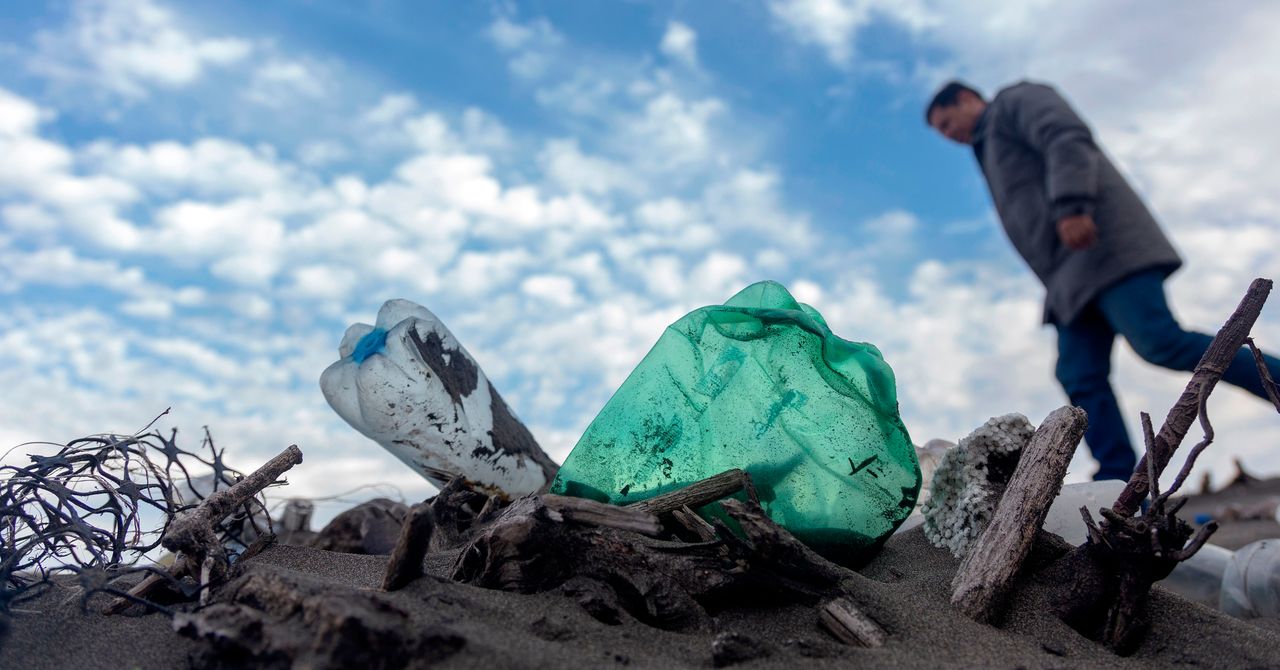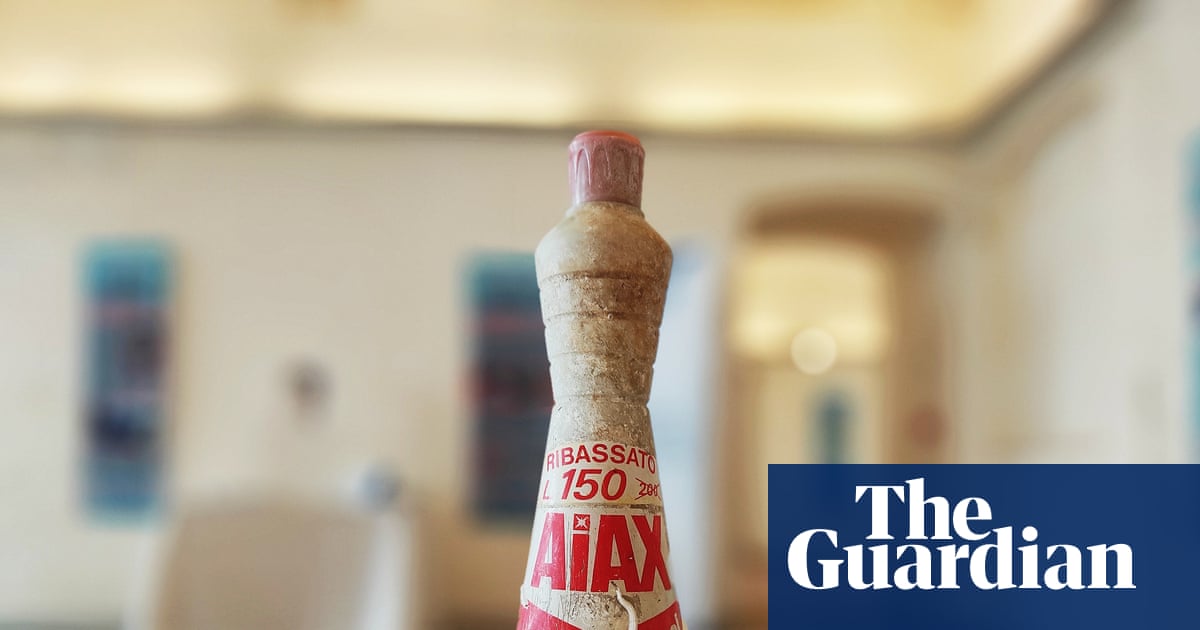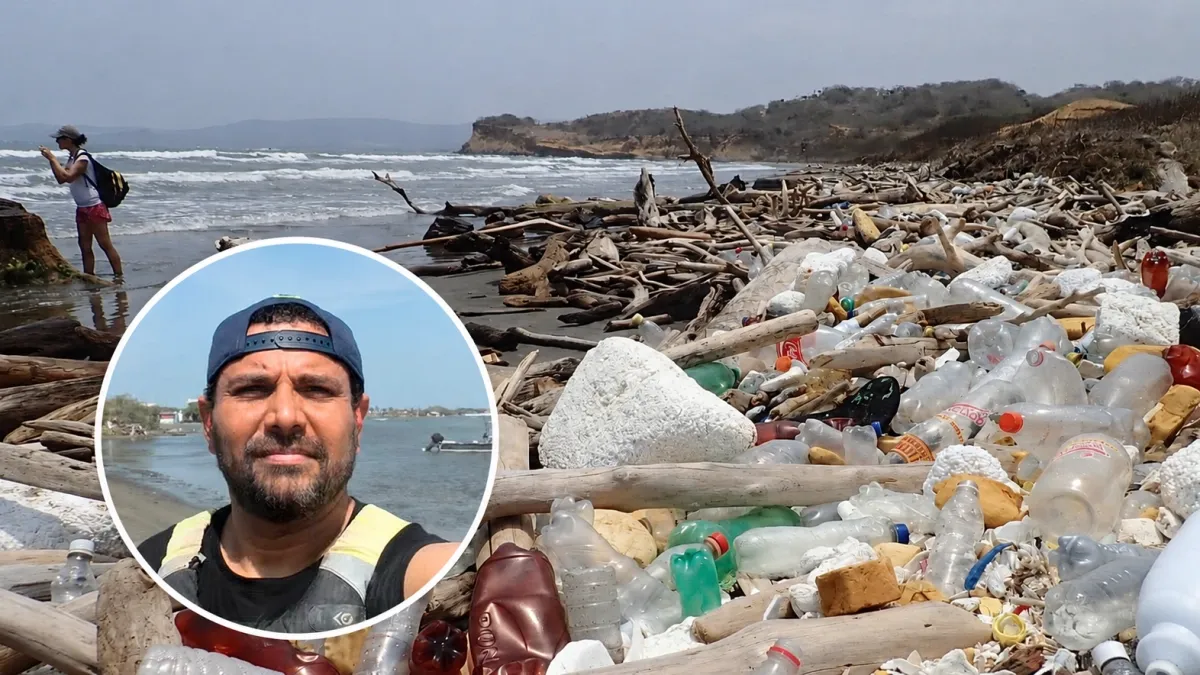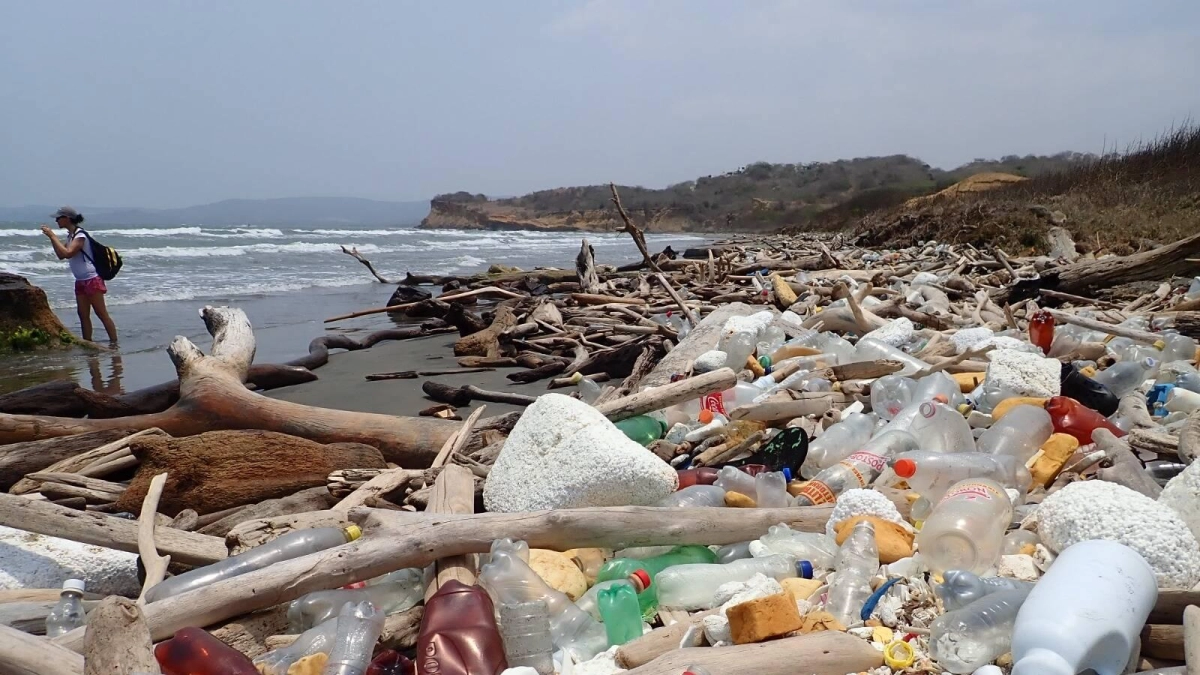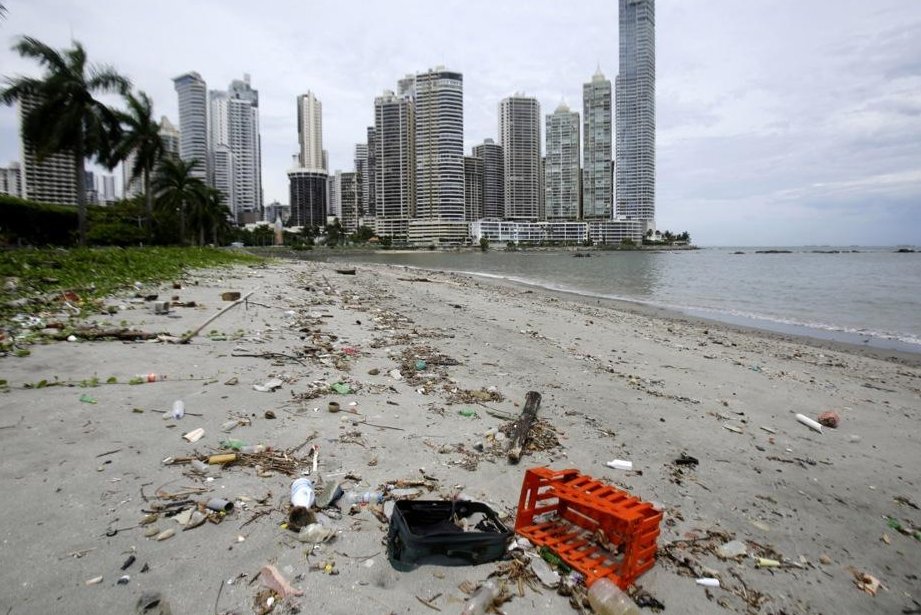
Aug. 11 (UPI) -- Bottles more than 20 years old -- encrusted with marine organisms and worn from long exposure to the sea -- were among the debris collected by the "Científicos de la Basura, or Trash Scientists, network at Chile's Universidad Católica del Norte for a study aimed at determining the origins of plastic waste on Latin American beaches.
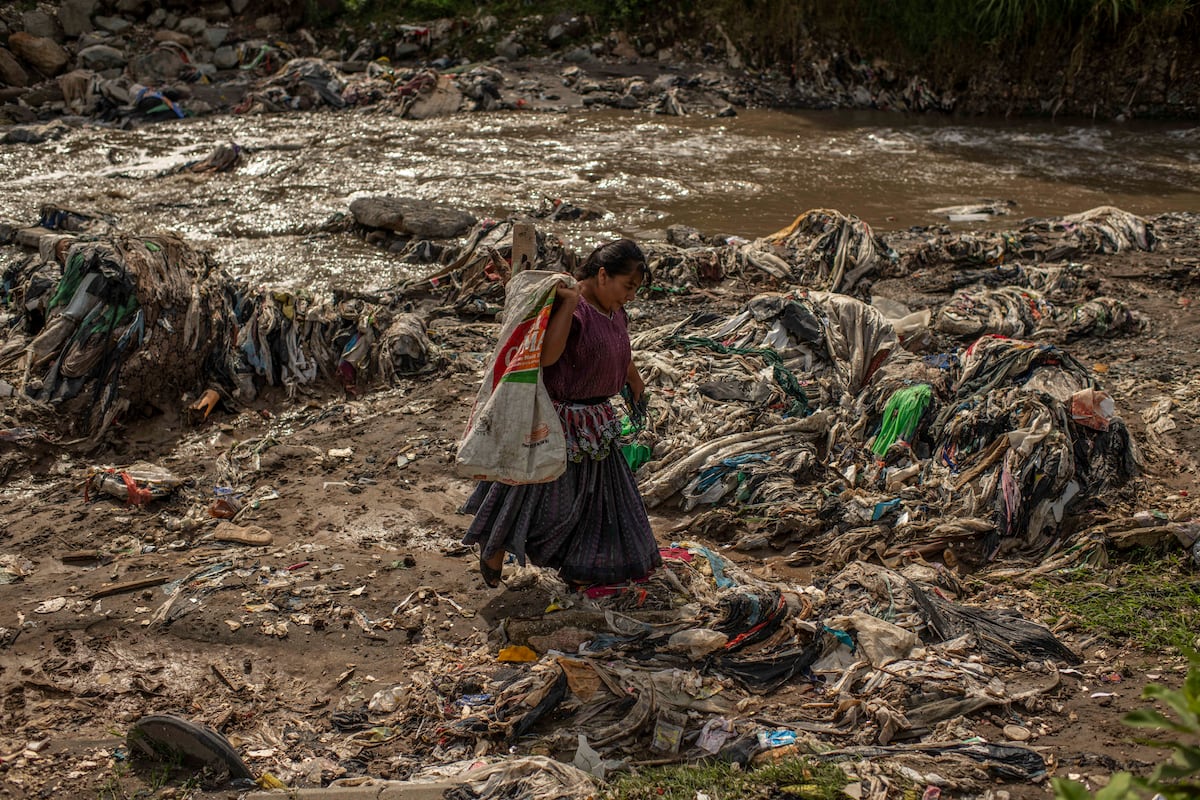
After two years of research, the results showed that 59% of the waste analyzed came from the same country where it was found and that Central America's beaches have become the most polluted in the Pacific Ocean by plastic debris -- primarily bottles and loose caps.
The study, published in the Journal of Cleaner Production, also found that coastal communities and beaches in Guatemala, El Salvador, Nicaragua, Costa Rica and Panama had the highest levels of contamination, driven mainly by high domestic beverage consumption and shortcomings in waste management.
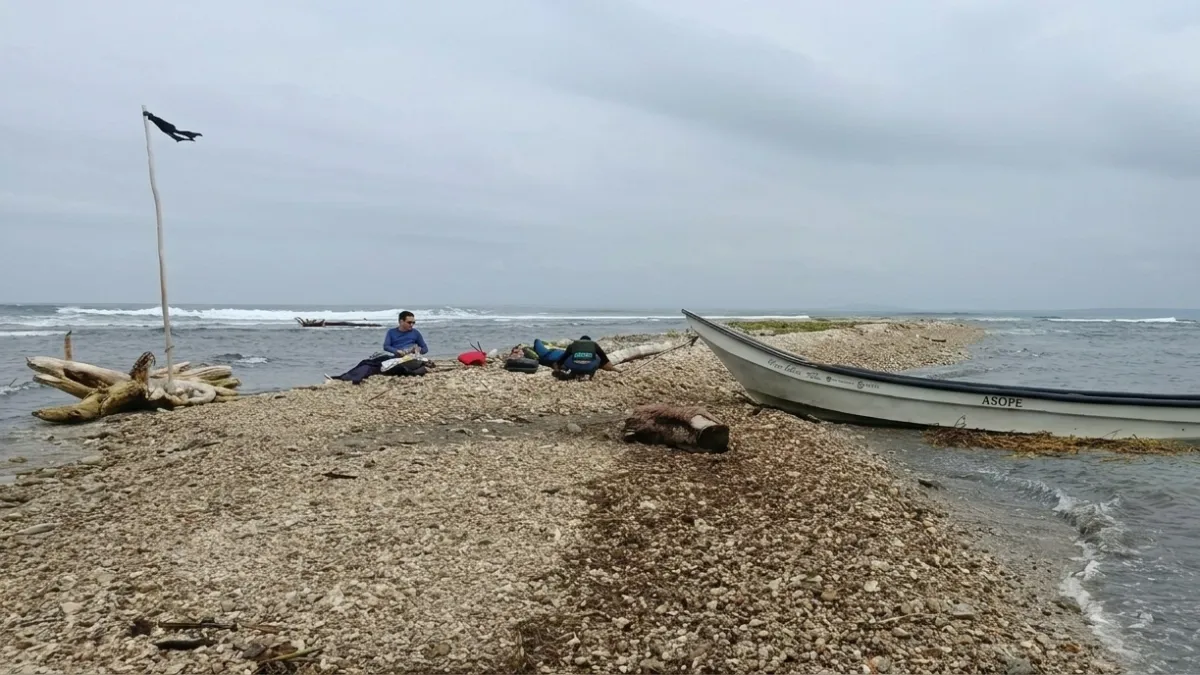
However, on oceanic islands such as Rapa Nui in Chile and the Galápagos in Ecuador, most plastic bottles came from multiple countries, including Asian brands -- pointing to transoceanic pollution and discharges from vessels such as cruise ships and industrial fishing boats.
Related