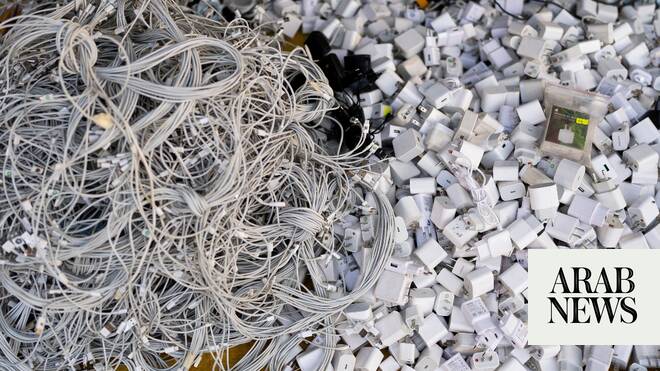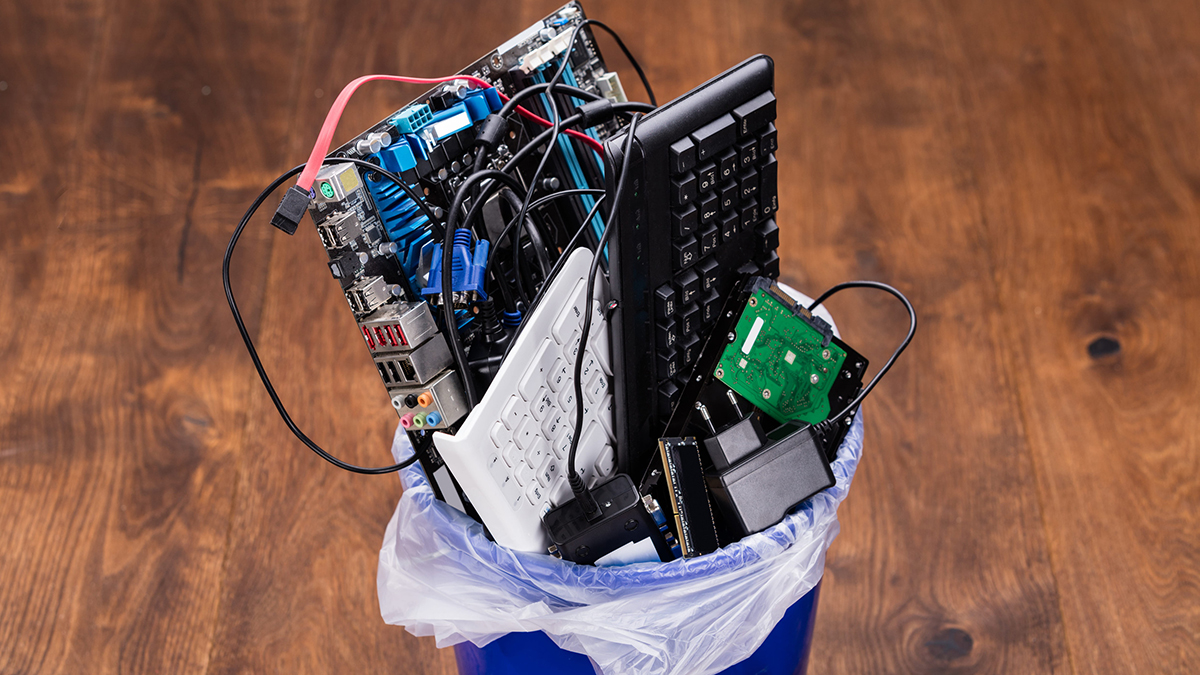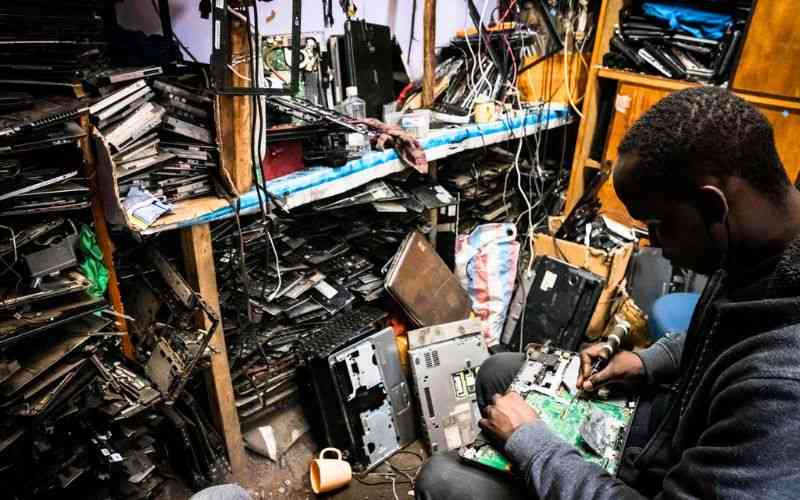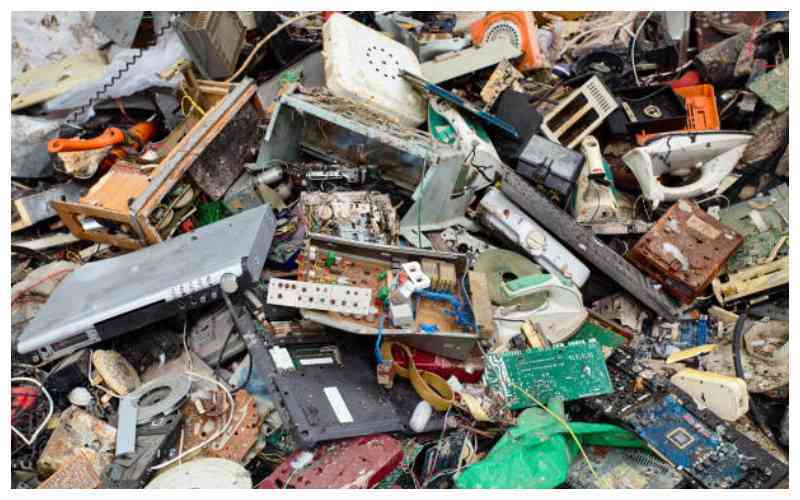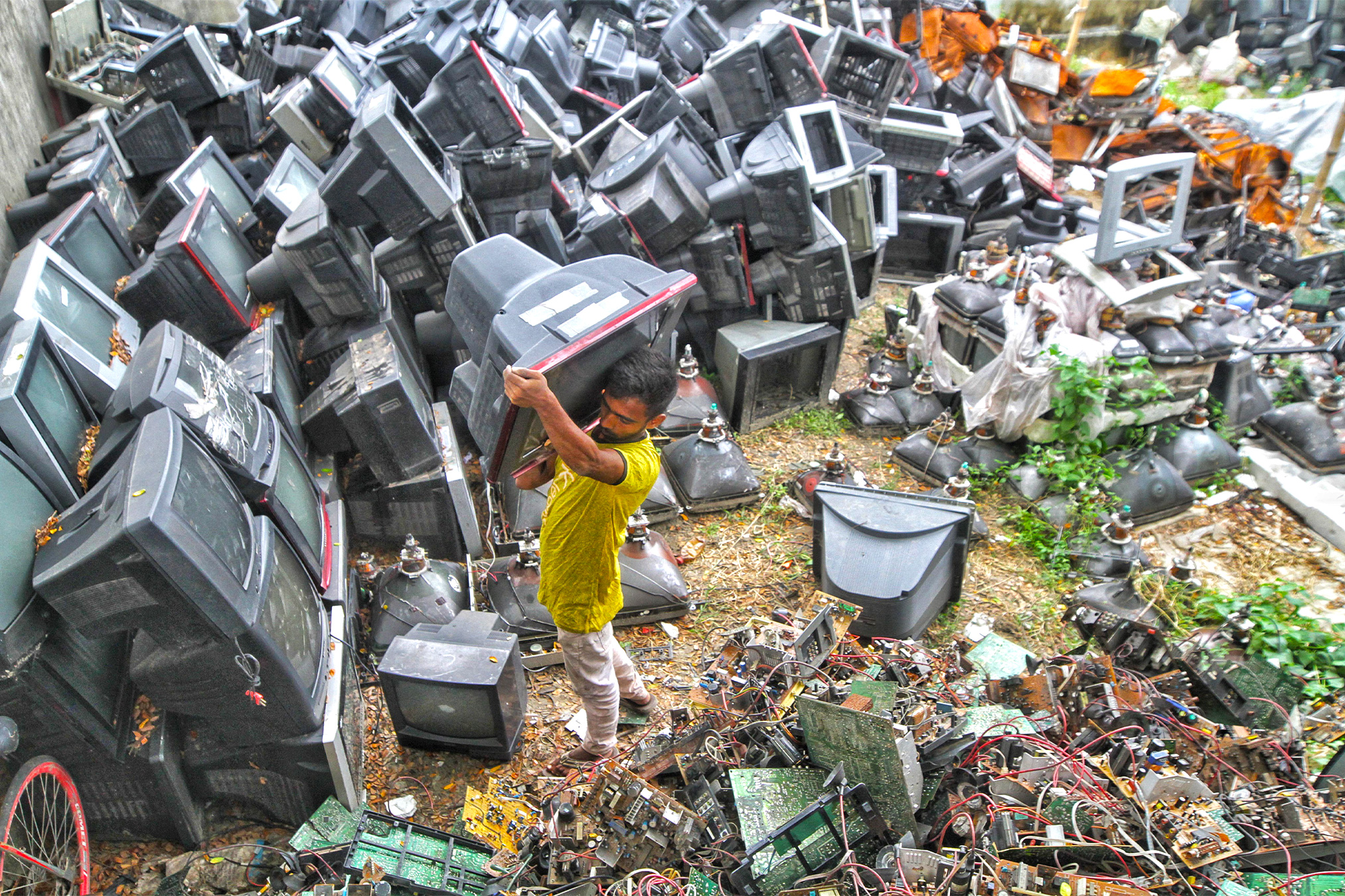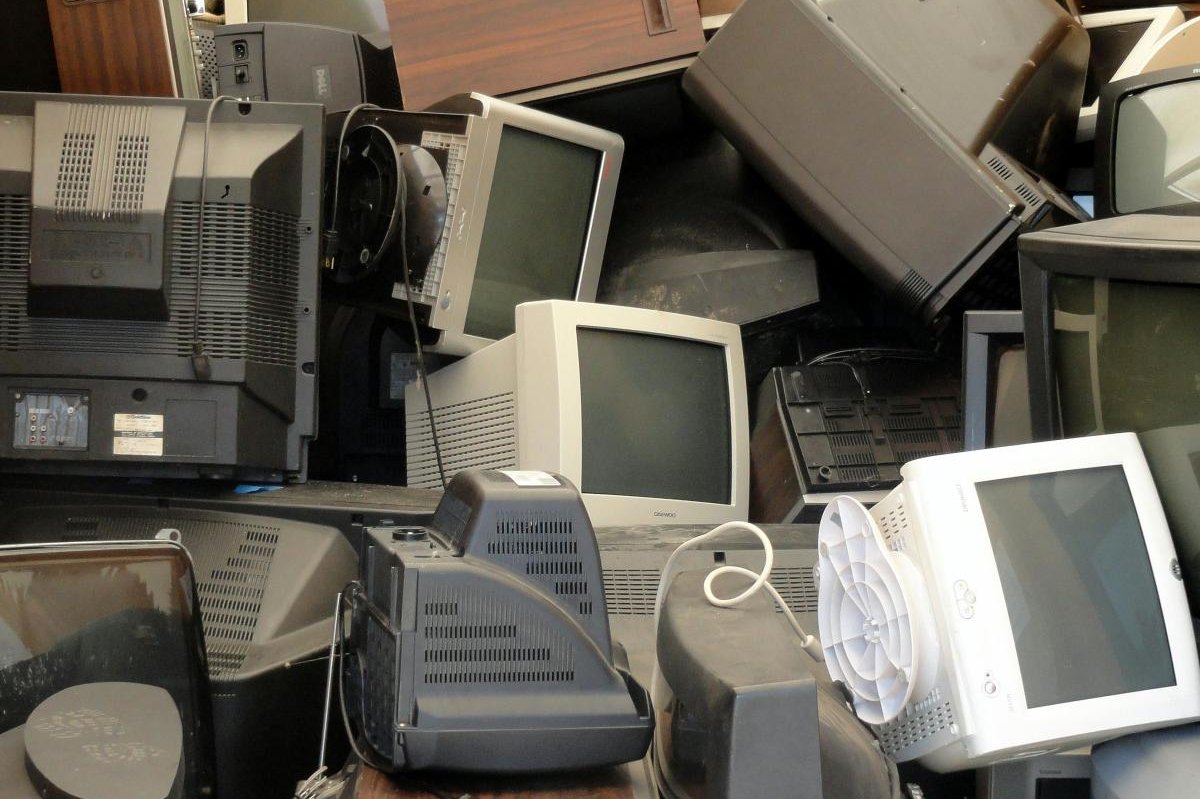
SANTIAGO, Chile, June 20 (UPI) -- Growing demand for technology in Latin America has made the region a major importer of electronic devices, but it still lacks clear regulations for managing the resulting waste -- a problem with serious environmental, public health and economic implications.
"The absence of clear regulations, combined with low public awareness and the lack of efficient recycling infrastructure, is fueling an environmental and health crisis that threatens future generations," said Carmen Gloria Ide, president of the Association of Companies and Professionals for the Environment and an international sustainability consultant.
Planned obsolescence and the shrinking lifespan of electronic devices are fueling a steady flow of e-waste, much of which ends up in informal landfills or is poorly managed, releasing toxic substances like lead, mercury and cadmium into the soil, water and air.
"We're facing a major regional challenge," Ide said. "The European Union offers a model worth replicating, built on collaboration among countries, that could help us address the issue regionally."
Electronic waste generation in Latin America rose 49% between 2010 and 2019, increasing from 10.4 pounds per person to 14.8 pounds, according to the United Nations' Global E-waste Monitor 2022 and the Latin America and Caribbean E-waste Platform.