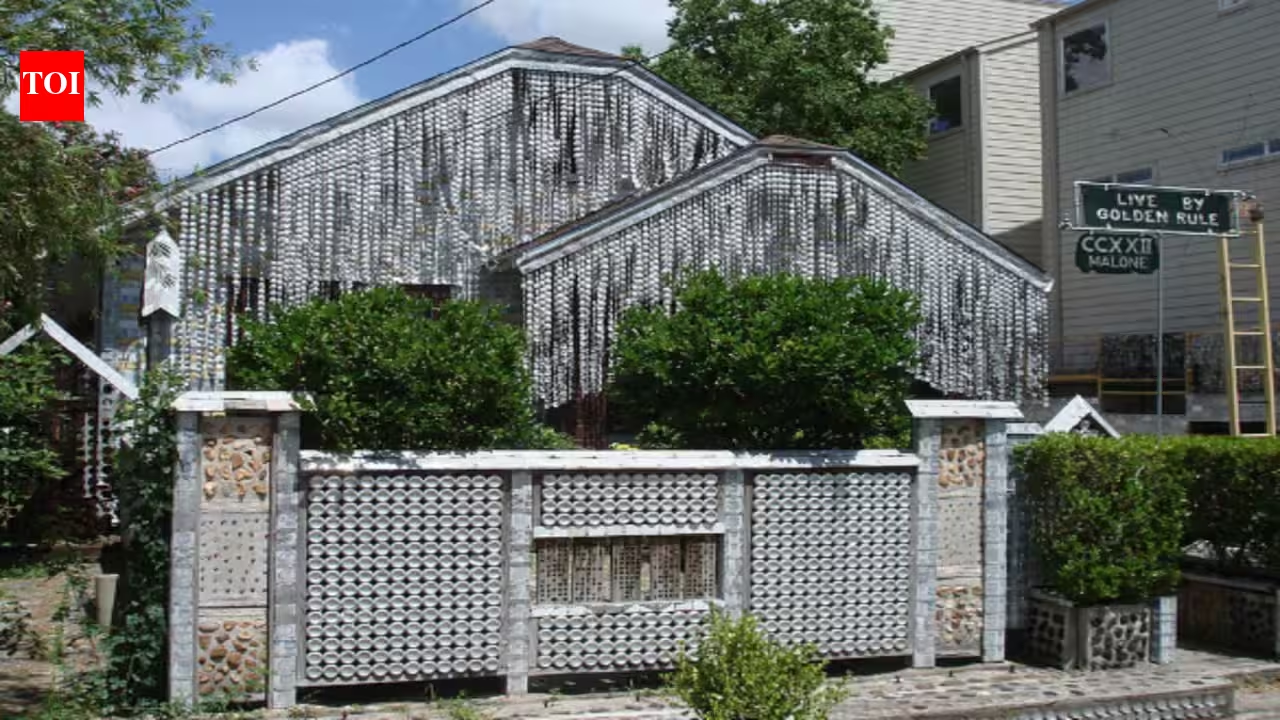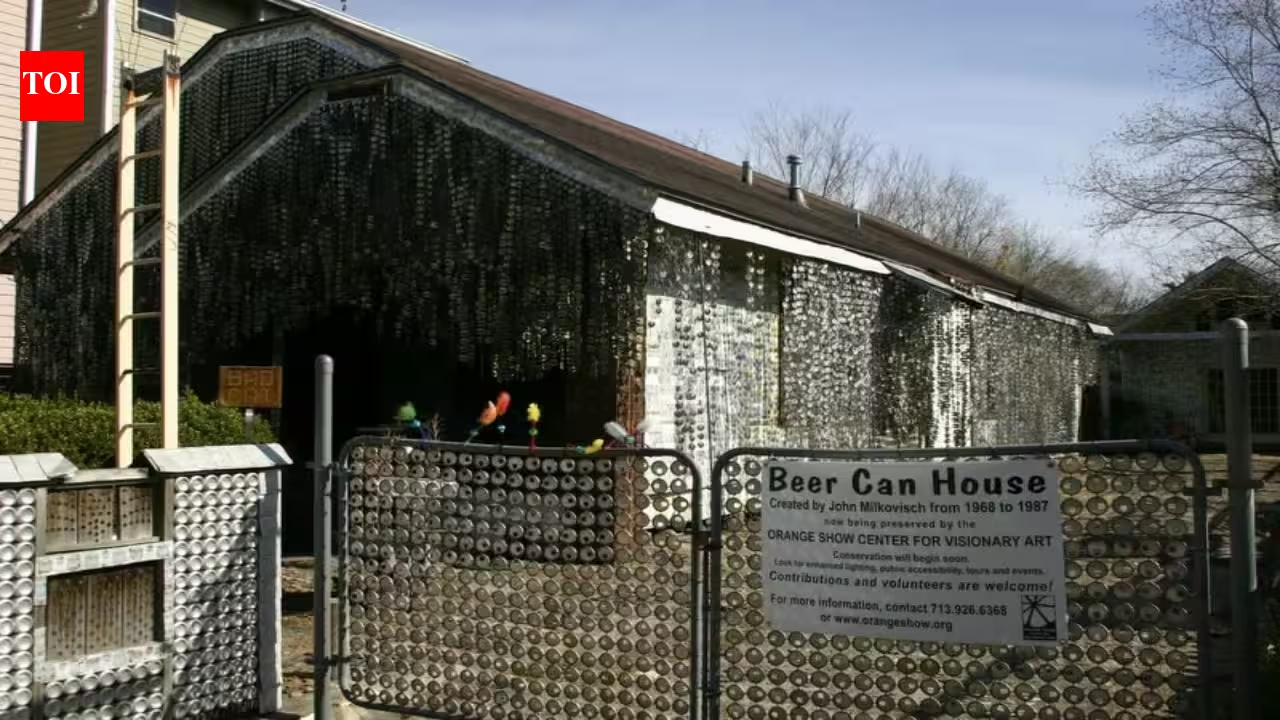
The Beer Can House, built by John Milkovisch using thousands of discarded beer cans. Credits - Wikipedia A retired Southern Pacific Railroad upholsterer named John Milkovisch began covering his Houston home with flattened beer cans in 1968, and by the time he stopped nearly two decades later, he had used more than 50,000 cans to transform an ordinary bungalow into one of America's best-known pieces of folk art. Milkovisch started small, embedding marbles, buttons and pieces of metal into concrete around his yard simply because he was tired of mowing the lawn. What began as a way to avoid yard work eventually grew into a full-scale renovation of the house, using almost every part of each can he emptied. Today, the property is known as the Beer Can House. It stands at 222 Malone Street in Houston’s Rice Military neighborhood and continues to draw visitors from across the country.How a tired lawn turned into a life's projectAccording to the Orange Show Center for Visionary Art, the nonprofit that now owns and operates the property, Milkovisch began by concreting over his front and back yards and pressing thousands of marbles, buttons, rocks and scraps of metal into the wet cement to avoid ever having to cut grass again. Once the yard was finished, his attention turned to the house itself. Mary reportedly asked him to clad the wooden bungalow in aluminium siding, and rather than buy sheets of the material, Milkovisch decided to make his own out of the beer cans he and his wife had been collecting for years.As a report from the Houston Chronicle stated, Mary returned from her job at the Foley’s cosmetics counter to find that the border John had started around the house had grown thicker and thicker until the entire house was covered. The project occupied him for nearly 18 years. Accounts often describe Milkovisch as drinking about a six-pack a day, but the house ultimately incorporated more than 50,000 cans, including cans he had collected, received from others or accumulated over time. That combination of personal collecting and donated or accumulated cans gave Milkovisch a steady supply of material, allowing him to use nearly every part of each can.How Milkovisch wasted almost nothing from a single canWhat set Milkovisch's project apart from an ordinary home renovation was how little of each can went unused. He cut off the tops and bottoms of each can, flattened the remaining cylinder and nailed it to the house as siding, arranging the printed designs into patterns across the walls. The leftover pieces, including the tops, bottoms and pull tabs, were strung together into long garlands that hung from the porch and eaves, jingling and shimmering whenever the wind picked up. Milkovisch once said the hanging curtains were an idea that had been in the back of his mind for years. The remaining scraps of metal were bent into whirligigs, planters, arches and small sculptures that filled the yard, along with the concrete inlaid with marbles and glass. Even the brand of beer mattered little to him; he reportedly said his favourite was whatever happened to be on sale that week, so the walls ended up carrying a mix of Coors, Texas Pride and other labels rather than a single uniform pattern. By finding a use for nearly every scrap of metal that passed through his hands, Milkovisch left behind a structure that reflected his daily habits.The front of the beer can house on Malone Street. Credits: Wikipedia How the house survived after Milkovisch's deathAfter Milkovisch died in 1988, his wife Mary remained in the property and welcomed curious visitors for more than a decade. The Orange Show Center for Visionary Art later acquired the house and yard from the family and took on the task of preserving a structure never built for permanence. Restoration work took several years because decades of Houston humidity, storms and sun exposure had weathered, oxidised and damaged many of the original cans. Volunteers gradually replaced the most damaged sections with donated vintage cans that matched the originals as closely as possible. The house reopened to the public in 2008 and has since been recognised by preservation groups for its unusual place in American folk art. A line Milkovisch painted on an interior wall still greets visitors today: 'Every man should leave something behind to be remembered by,' he wrote, adding that he felt he had accomplished that goal. Nearly sixty years after he grew tired of mowing his lawn, the beer cans still catch the Texas sun and rattle gently in the wind.
In 1968, a retired Texas railway worker began covering his home with flattened beer cans; 18 years and more than 50,000 cans later, almost nothing had gone to waste
A retired Southern Pacific Railroad upholsterer named John Milkovisch began covering his Houston home with flattened beer cans in 1968, and by the time he stopped nearly two decades later, he had used more than 50,000 cans to transform an ordinary bungalow into one of America's best-known pieces of folk art. Milkovisch started small, embedding marbles, buttons and pieces of metal into concrete around his yard simply because he was tired of mowing the lawn.
760 words~3 min read