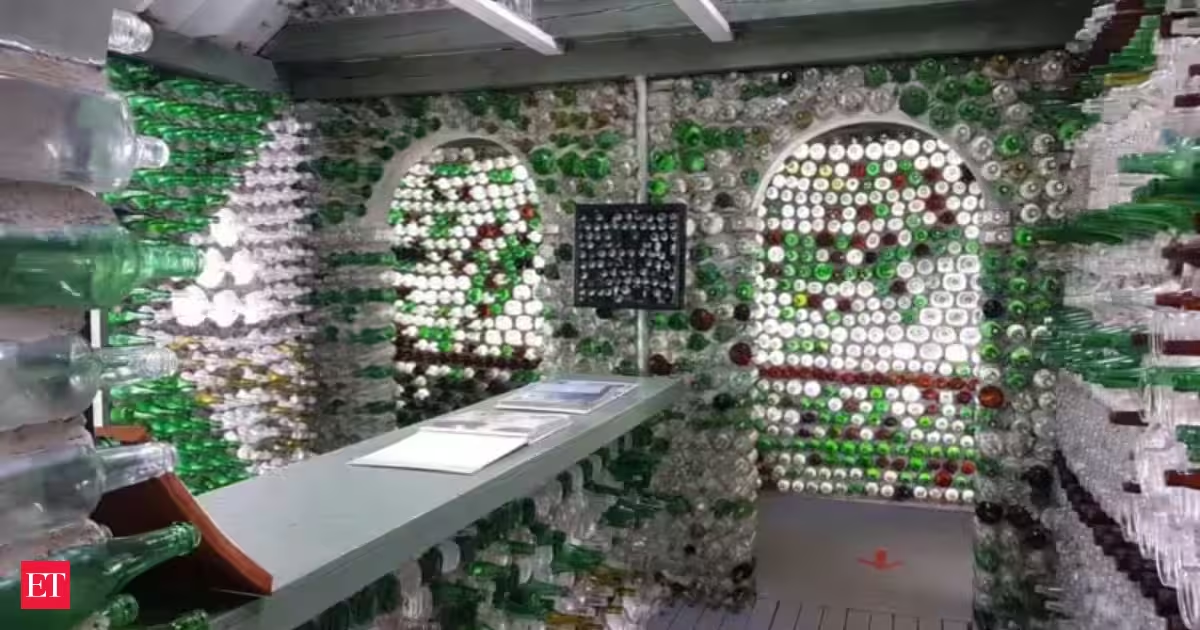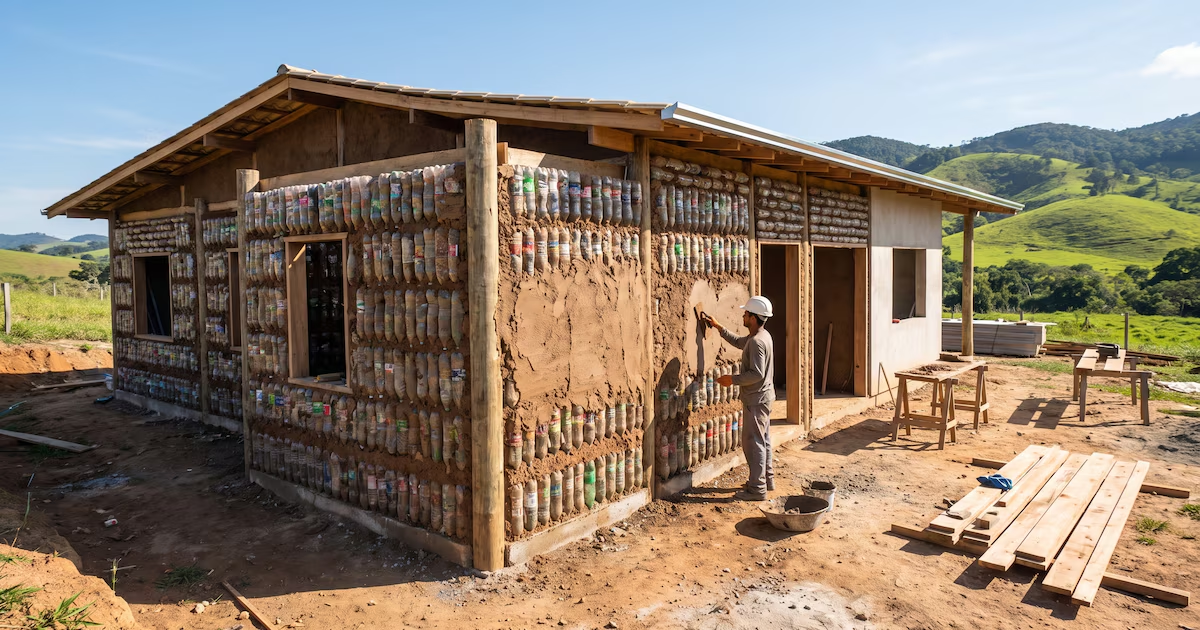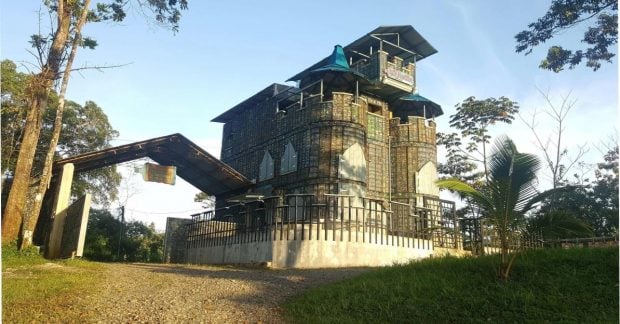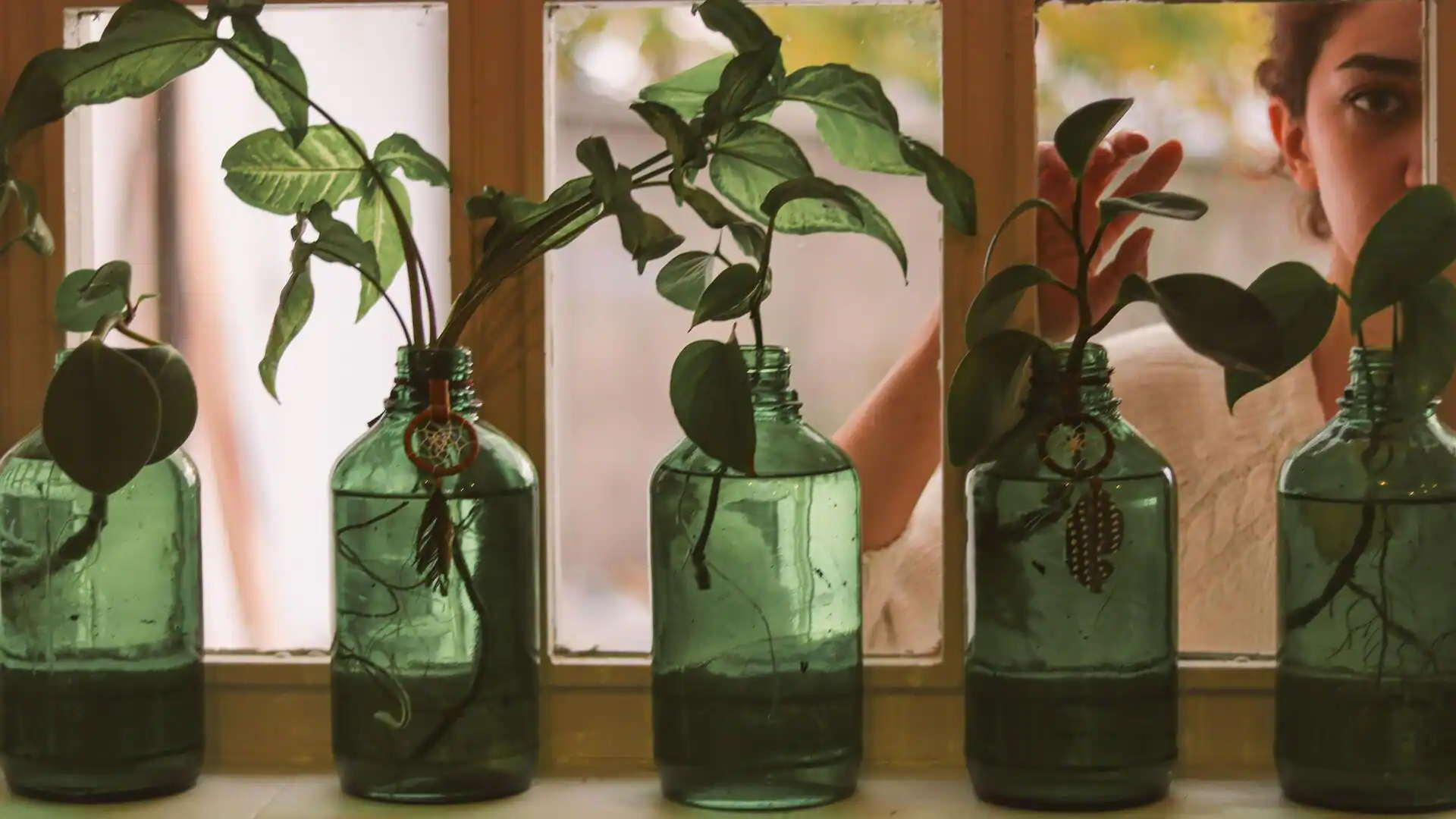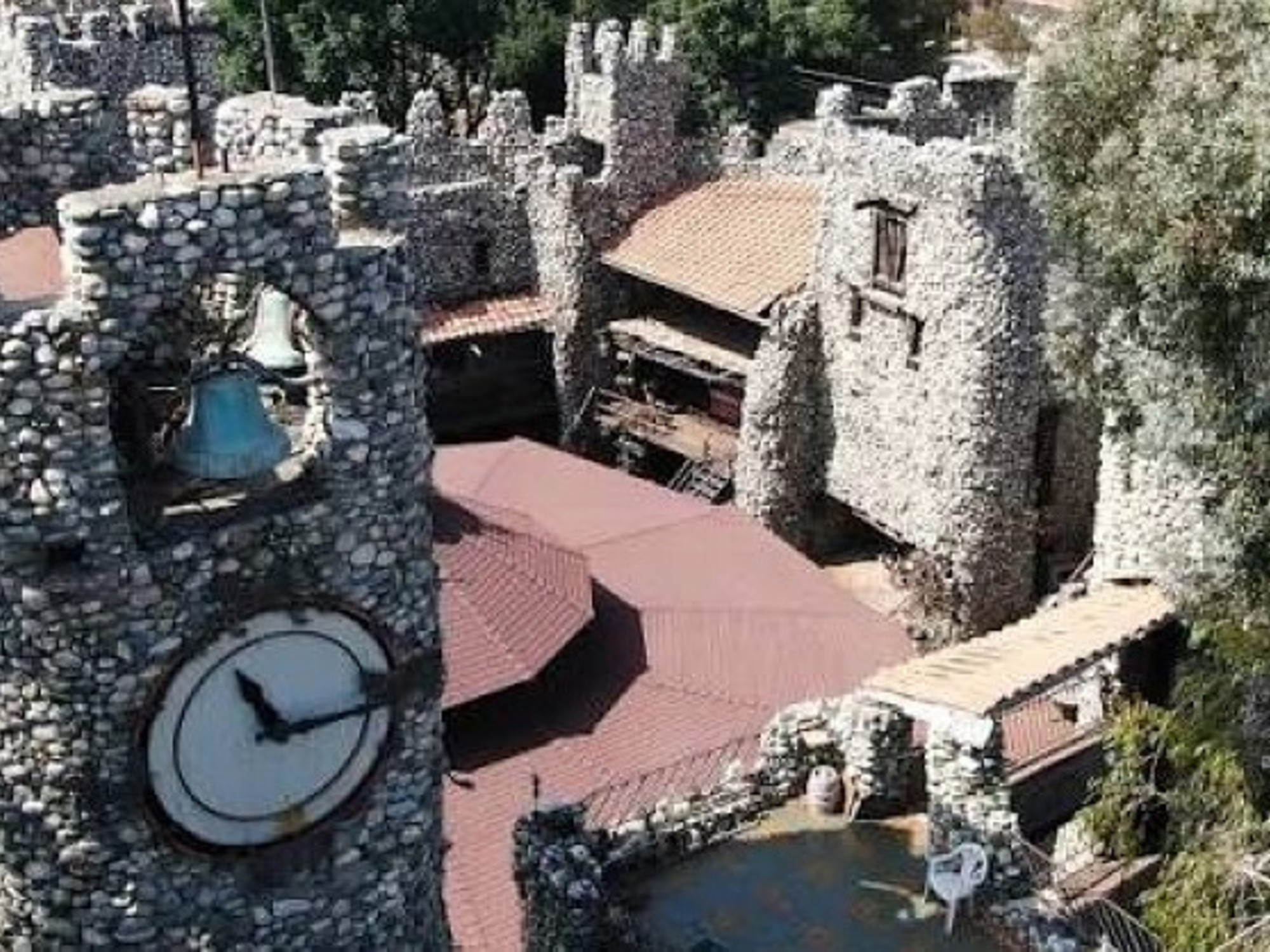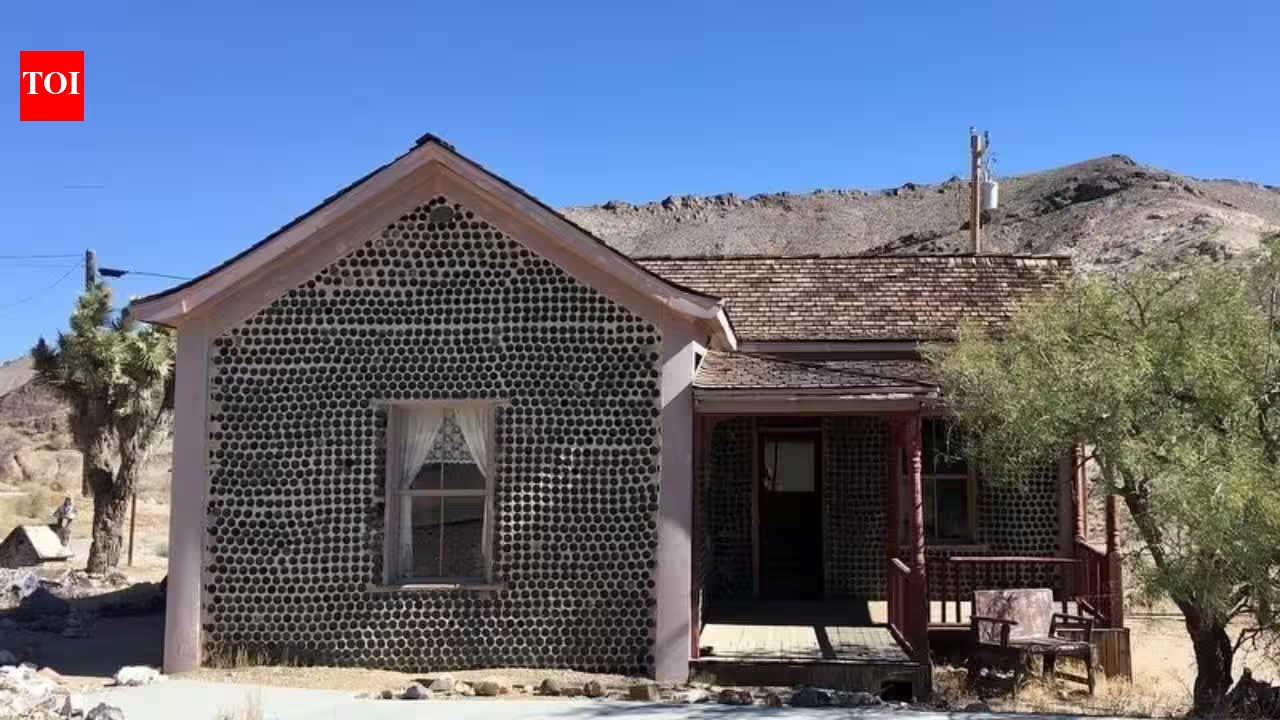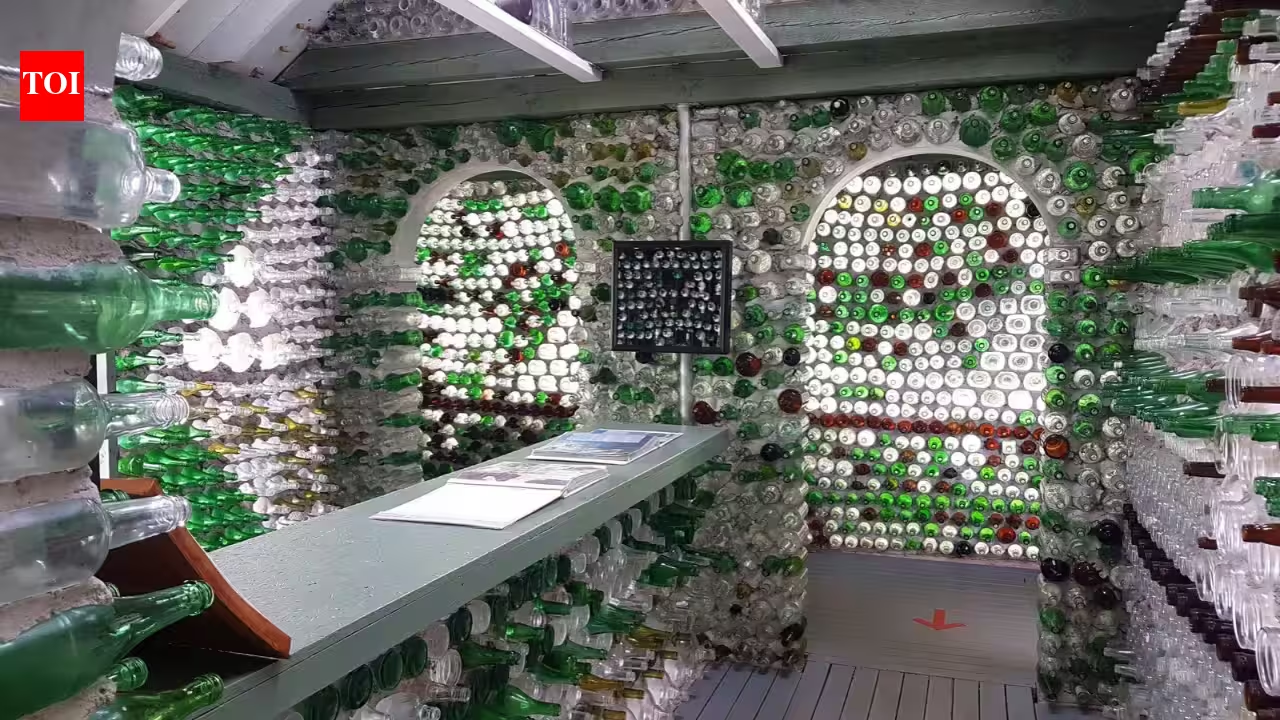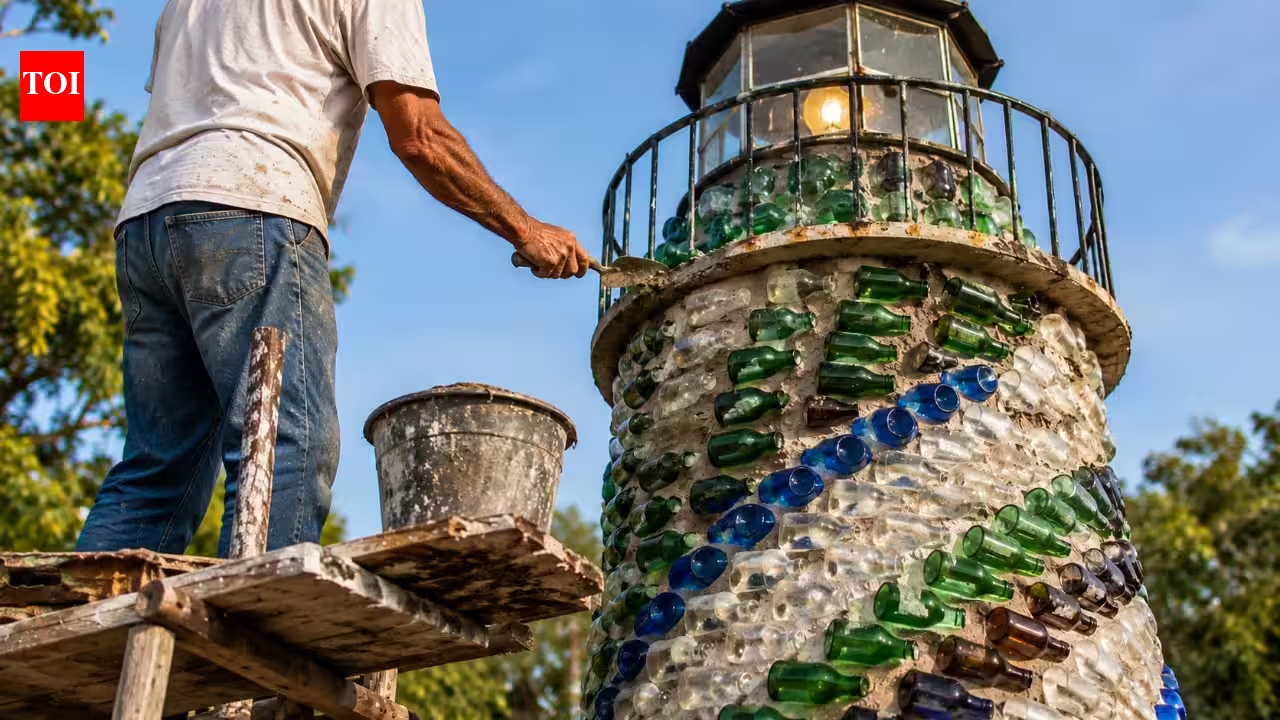
Representation of an artist building a lighthouse from discarded glass bottles. Image Credits: ChatGPT.In 2012, retired art professor Leon Wiesener set out to build a house from glass bottles in his small Florida town. Just 11 months later, he had transformed more than 6,000 discarded bottles into a pentagonal structure in his backyard. The project soon grew. Wiesener added a 15-foot lighthouse with a working revolving light, along with giant geometric sculptures and other outdoor artworks. What began as a retirement project eventually became one of Carrabelle’s most unusual landmarks.According to Atlas Obscura’s account of the Carrabelle Bottle House, Leon Wiesener built the pentagon-shaped structure using more than 6,000 glass bottles. Its walls are 12 feet long and 8 feet high, while the roof rises 14 feet above the ground. Antique bottles line the tops of the walls, and wide-mouth jars are set horizontally to provide storage. Wiesener also incorporated handmade German stained glass and colourful round lenses from school buses and fire trucks, adding light and vibrant colour to the structure.A retirement project takes shapeWiesener has said that the idea came to him suddenly in 2012. His interest in bottle buildings was not entirely accidental. As an artist and former set painter, he was familiar with unusual materials and visual effects, but the bottle house also became a practical experiment in what could be built by hand. He collected bottles from a variety of sources. Friends and neighbours donated them, while others came from recycling centres and what Wiesener described as dumpster diving. He even placed an advertisement in a local newspaper seeking bottles. The collection eventually grew to include thousands of beer and wine bottles in a range of shapes, sizes, and colours.The bottles served a practical purpose as well as an aesthetic one: their coloured glass filtered daylight into the structure, while wide-mouth jars were set into the walls to provide storage. This approach reflects a broader interest in giving waste materials new uses in construction. Research published in Construction and Building Materials has explored ways of converting waste glass into construction materials, noting its potential to reduce demand for conventional resources while addressing the problem of glass waste. Wiesener’s approach differs from these engineered systems because he used intact bottles rather than processing glass into aggregates or powders, but the underlying principle is similar: a material normally regarded as waste can be transformed into a useful and functional element through thoughtful design.From bottle house to bottle lighthouseThe bottle house was only the beginning of Wiesener’s experiments with glass. He later expanded the backyard collection with a 15-foot-tall bottle lighthouse, a playful nod to Carrabelle’s maritime identity and its historic Crooked River Lighthouse. Unlike a purely decorative structure, Wiesener’s lighthouse features a working revolving light at the top, making it both a functional feature and a striking piece of folk art. The garden also contains several large geometric sculptures, including a giant static geodesic sphere made from layers of smaller spheres, which Wiesener described as an abstract self-portrait representing his life. Another, roughly eight-foot-wide kinetic sphere incorporates coloured glass panels and mirrors and rotates on a stand, scattering reflected light across the garden. Together, these creations show how Wiesener continued to experiment with bottles and other discarded materials long after completing the house, turning them into imaginative structures that connect his artistic interests with Carrabelle’s coastal characterGlass bottles collected around a public recycling bin, highlighting the scale of discarded glass and the importance of proper collection and recycling. Image credits: Wikimedia Commons.A backyard becomes an artworkThe bottle house has attracted visitors from beyond Carrabelle, with its unusual appearance and construction history making it a local roadside curiosity. Wiesener continued adding to the property, gradually transforming the area around the house into an outdoor gallery filled with glass, metal, household objects, and other salvaged materials. The house also reflects a broader tradition of incorporating discarded bottles into buildings for decoration, natural light, and, in some cases, construction. Rather than being presented as a large-scale solution to glass waste, Wiesener’s project is better understood as a personal artistic experiment that gave discarded bottles new uses. More than 6,000 bottles became part of the house, while other salvaged objects were incorporated into artworks and structures throughout the property. Together, the house, lighthouse, and geometric sculptures illustrate how Wiesener turned everyday materials into distinctive features of a landscape shaped by his artistic vision.
In 2012, a retired Florida art professor began cementing discarded bottles into his yard: more than 6,000 bottles, later, he built a house, lighthouse, and giant geodesic sphere
In 2012, retired art professor Leon Wiesener set out to build a house from glass bottles in his small Florida town. Just 11 months later, he had transformed more than 6,000 discarded bottles into a pentagonal structure in his backyard.
732 words~3 min read