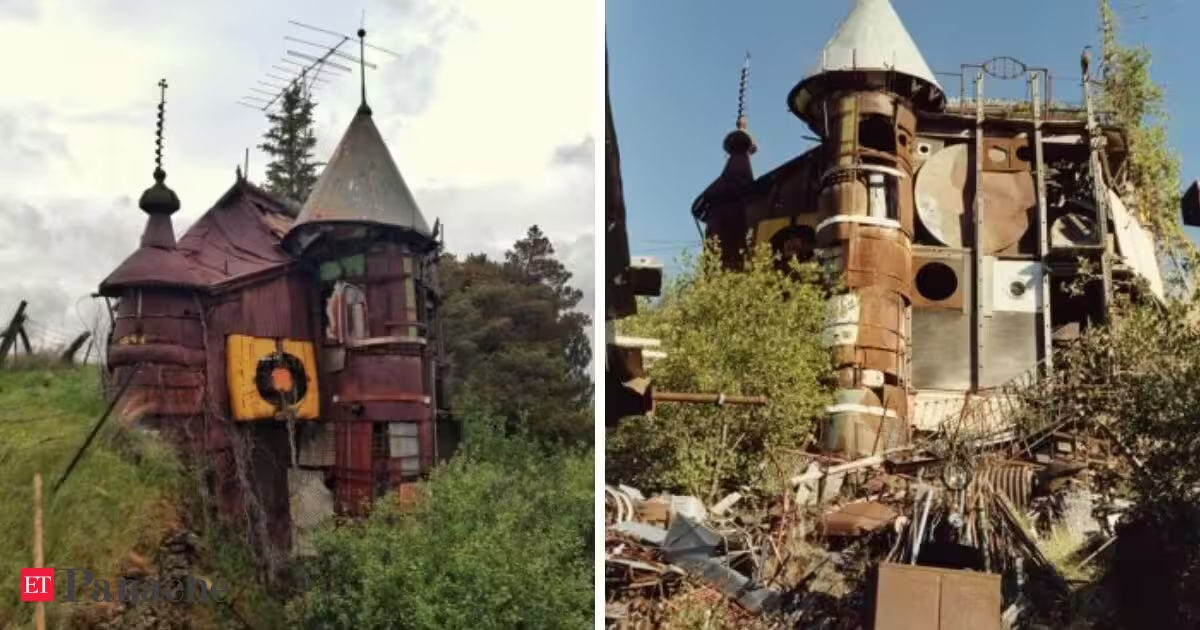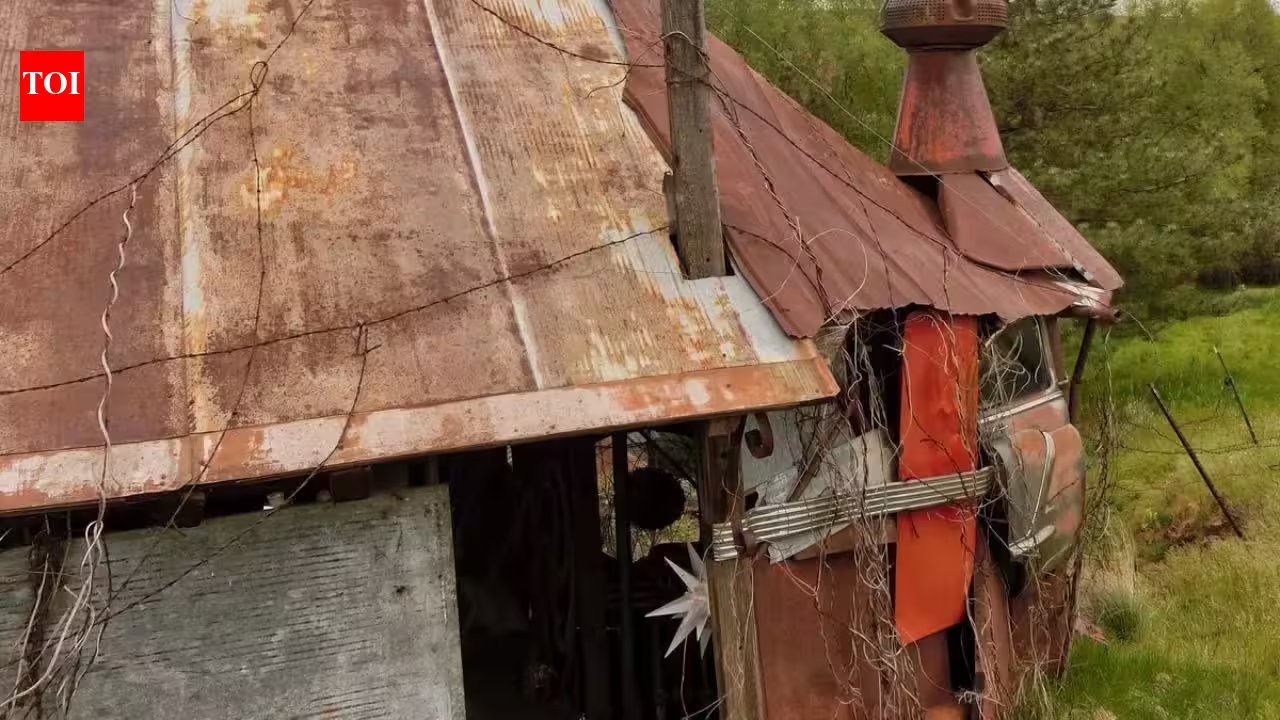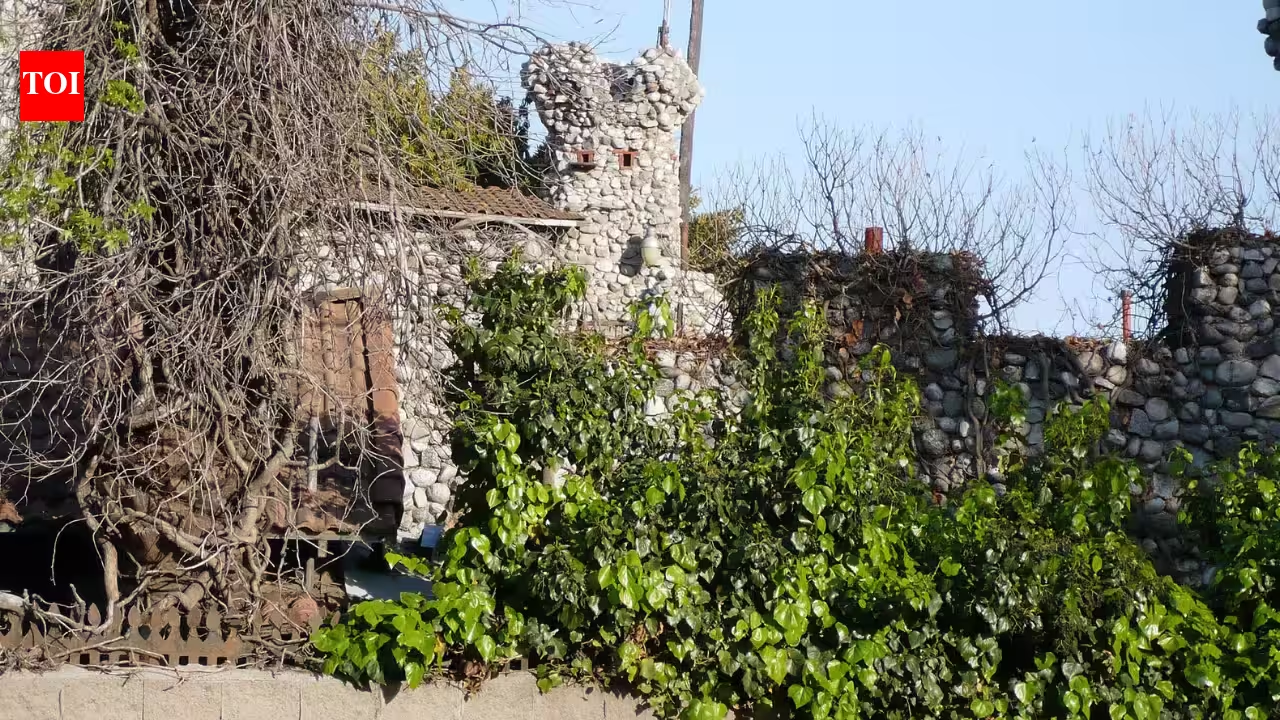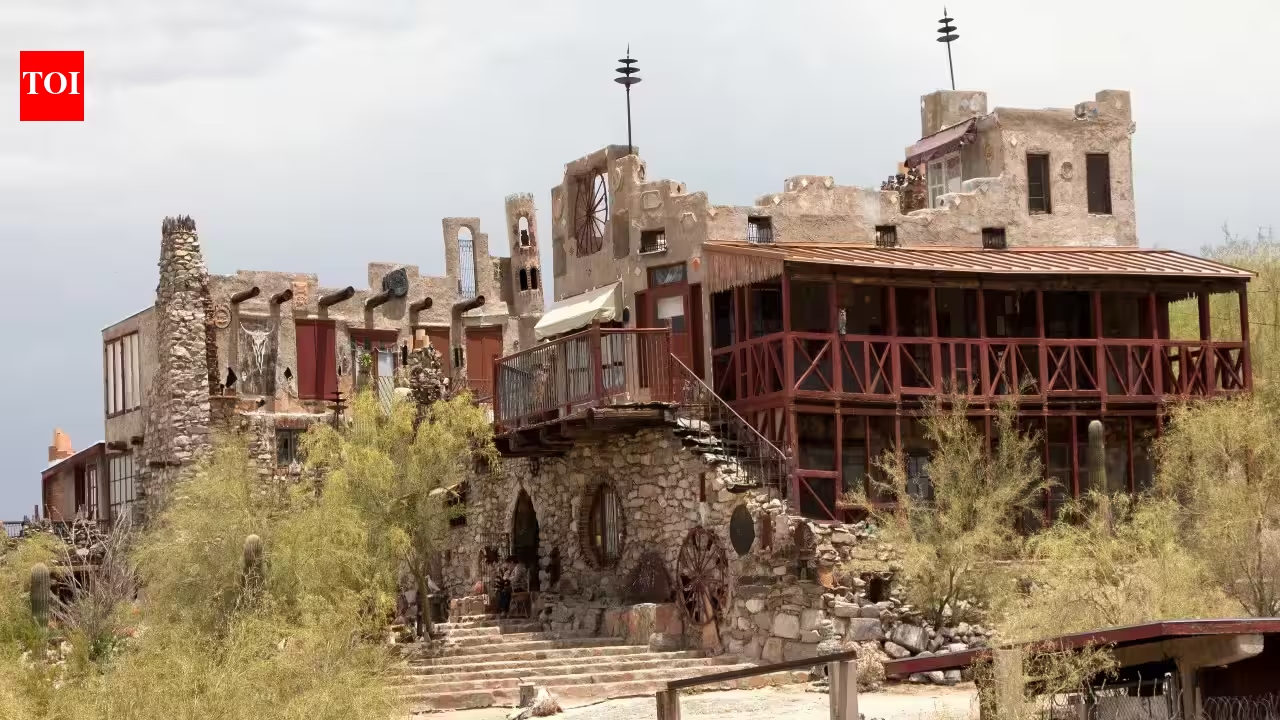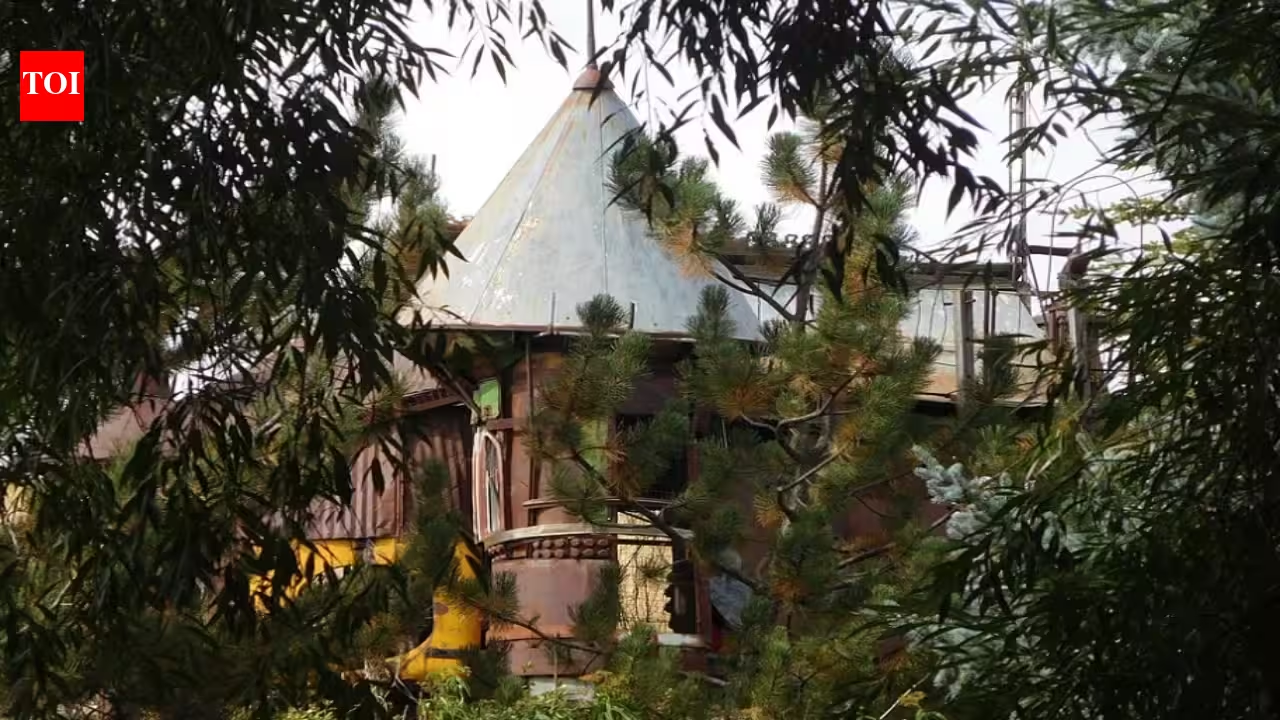
Victor (Vic) Moore’s Junk Castle, an assemblage of salvaged materials built by the former Pullman High School art teacher in Pullman, Washington. Credits - Wikimedia Commons A high school art teacher in Pullman, Washington, spent the final years of the 1960s collecting other people's discarded washing machine glass, car doors and sheets of twisted metal, then welded and bolted the pile into a 1,200-square-foot castle perched on a hillside above the wheat fields of the Palouse. The finished structure, built for a reported total of $500, still stands today on private property along US 195, more than five decades after its creator first started scavenging.The man behind the project was Victor Moore, a World War Two veteran who taught art at Pullman High School for more than two decades. According to SPACES Archives, a non-profit dedicated to documenting artist-built environments across the country, Moore and his wife Bobbie built the castle together in the late 1960s, and the structure served two purposes: it became the couple's home, and it doubled as Victor's thesis project for his Master of Fine Arts degree, a combination that turned an ordinary act of home construction into a formal piece of academic art.Crafting a castle out of the leftoversMoore did not buy new materials for the project. The walls, window frames and roofline of the castle were assembled almost entirely from things other people had thrown away, including car doors, dryer housings, bedsteads and sheet metal salvaged from wherever he could find it around the region. Several of the windows were made from the curved glass panels of old washing machine doors, giving the structure the strange stained glass look that has made it a minor roadside curiosity ever since. One especially well-documented detail is that the door of a 1952 Oldsmobile was incorporated directly into the building, a small but telling sign of how literally Moore treated the idea of reuse.None of this happened quickly. Moore had already been experimenting with sculptures and small living spaces made from recycled goods as far back as the 1950s, long before he chose the site on Armstrong Road, just off US 195, that would eventually hold the finished castle. By the time the structure was far enough along to serve as his 1970 thesis submission, he had spent years refining the techniques that let him turn scrap that most people would have hauled to a landfill into load-bearing walls and functioning windows.A thesis project that became a permanent homeTo explain its academic significance, the castle was never meant to be a stunt or a roadside attraction. It was submitted as Moore's formal thesis project for his graduate degree in fine art, meaning the building had to stand up not just to weather and time but to the scrutiny of an academic committee evaluating it as a piece of sculpture as much as a place to live. Reports from the period suggest Moore faced little resistance from local officials over his unconventional building methods, and the couple moved in and kept refining the structure for years afterward, adding new sections and details as more scrap material became available.Moore’s refusal to treat the castle as finished reflected a broader pattern in his career as an artist. Washington State Arts Commission records on Moore's work note that he became best known not only for the Junk Castle itself but also for a long-running body of hand-carved wooden whirligigs, a form he first introduced to his own high school art students as a class assignment before developing it into a serious personal practice that continued for decades.Victor (Vic) Moore’s Junk Castle stands among trees and rolling farmland near Pullman, Washington, showcasing the unusual structure he created from discarded materials. Credits - Wikimedia CommonsAn artist who never really stopped buildingThat same creativity appears in individual pieces from later in his career. State records describing one surviving whirligig trace the piece back to Moore's memories of travelling magic shows and note that the wind-activated sculpture was built years after the castle was finished, evidence that Moore kept working in the same spirit of playful reuse and reinvention long after his graduate thesis was complete.The castle itself has passed to new owners since then, and it remains standing today, visible from the road for anyone driving along US 195 through the rolling hills west of Pullman, though visitors are asked to admire it from a distance rather than step onto private land. More than fifty years after it was finished, the Junk Castle still reflects Moore’s thesis: that a liveable home does not have to be built from anything new.
In the late 1960s, a Washington art teacher collected car doors, washing-machine windows and scrap appliances: He turned the junk into a 1,200-square-foot castle for reportedly less than $500
A high school art teacher in Pullman, Washington, spent the final years of the 1960s collecting other people's discarded washing machine glass, car doors and sheets of twisted metal, then welded and bolted the pile into a 1,200-square-foot castle perched on a hillside above the wheat fields of the Palouse. The finished structure, built for a reported total of $500, still stands today on private property along US 195, more than five decades after its creator first started scavenging.
766 words~3 min read