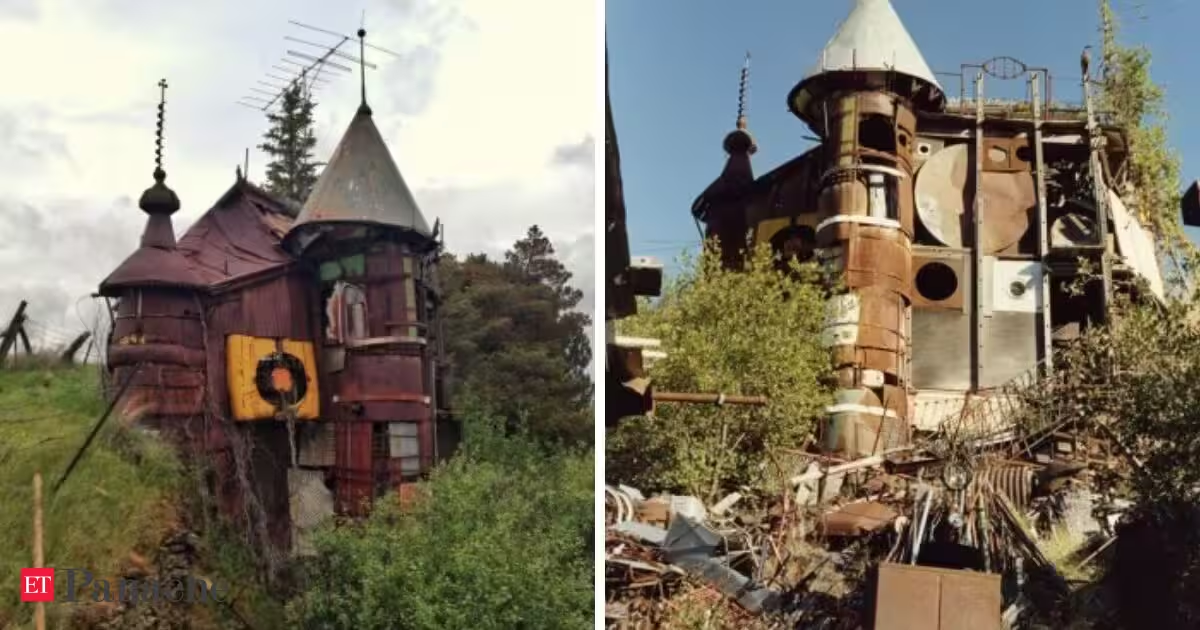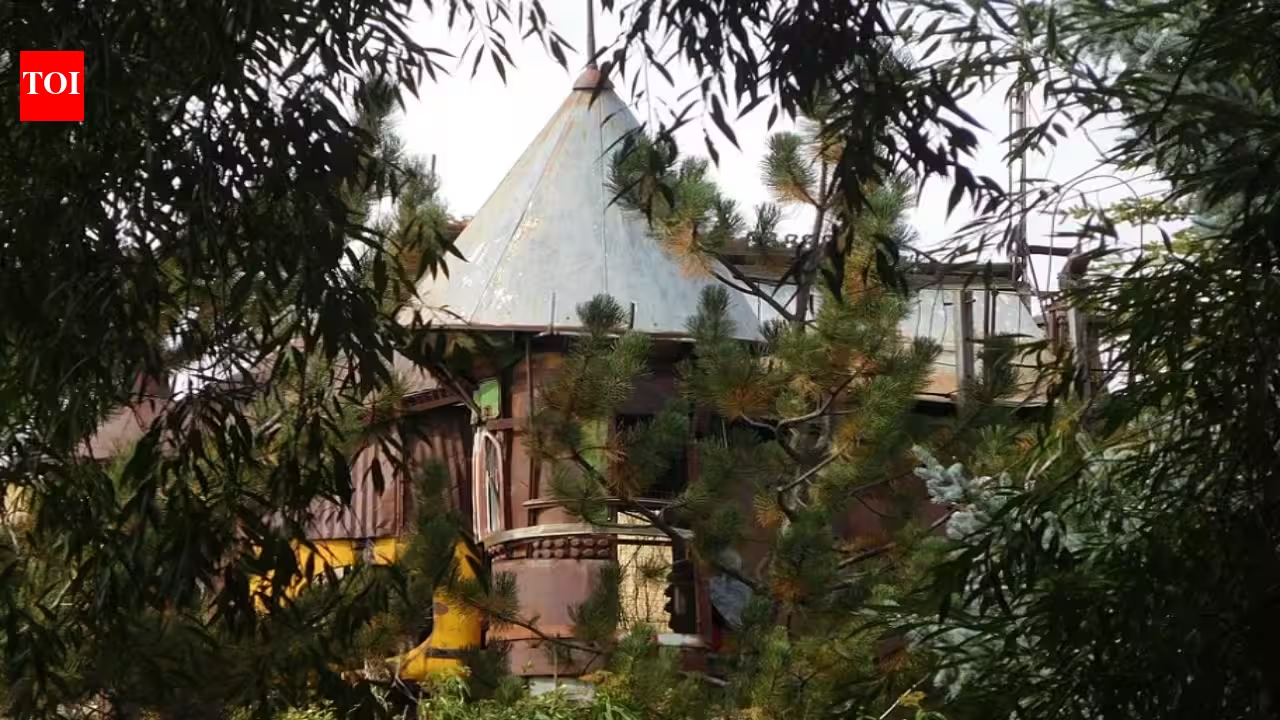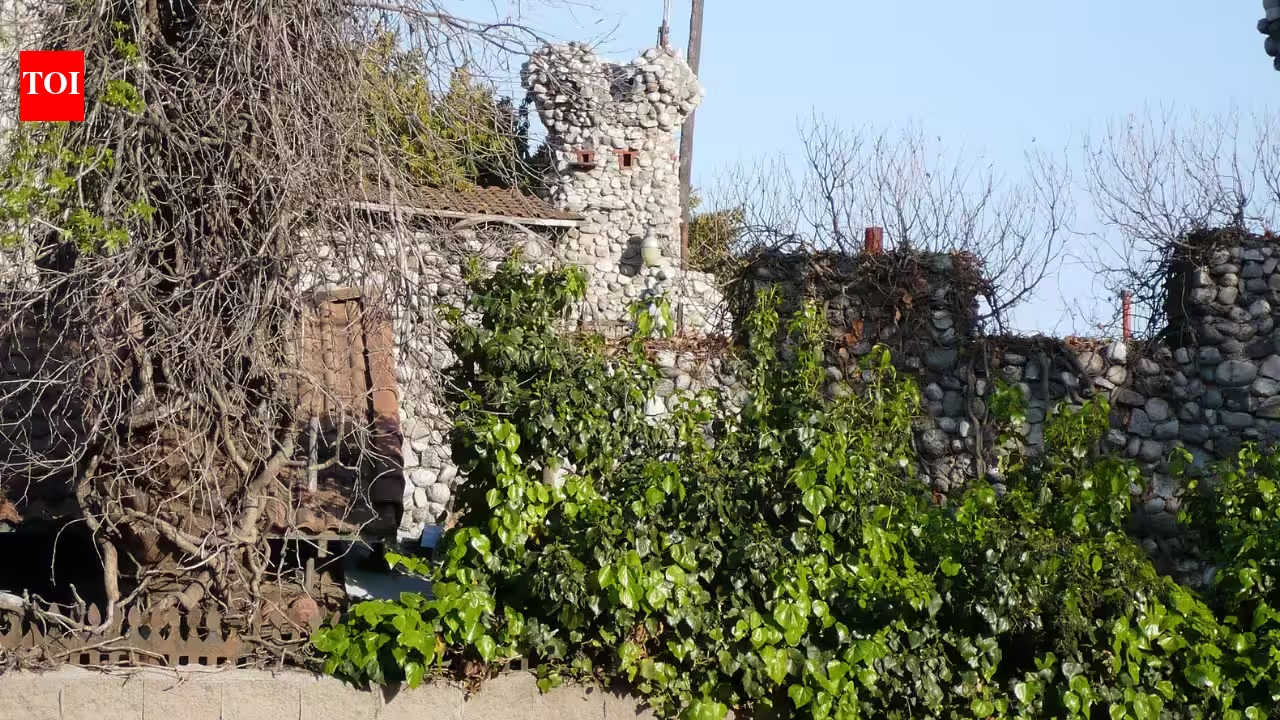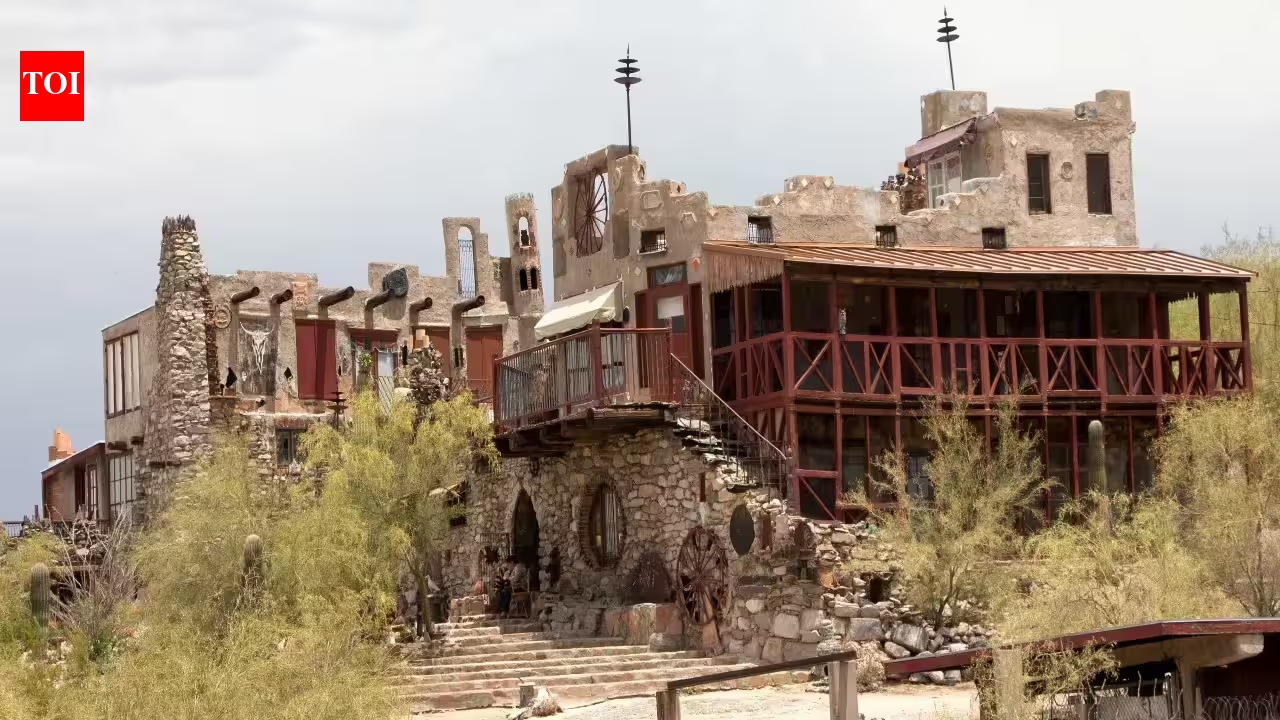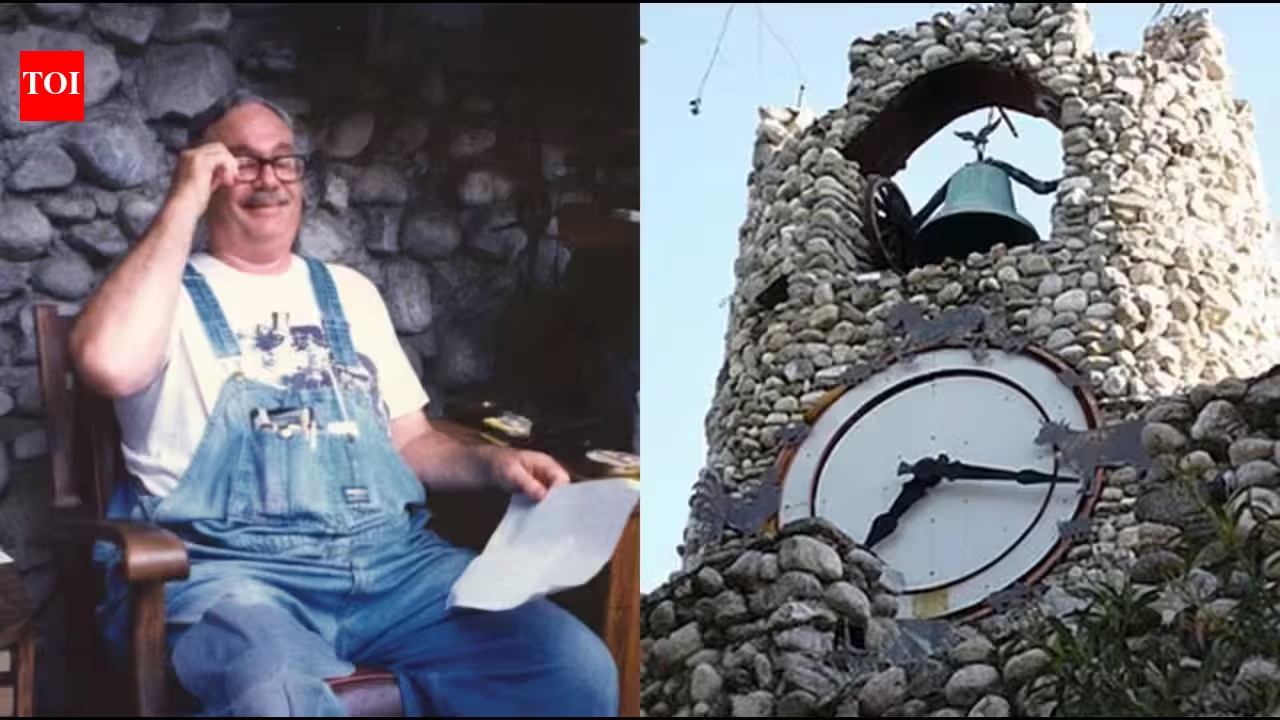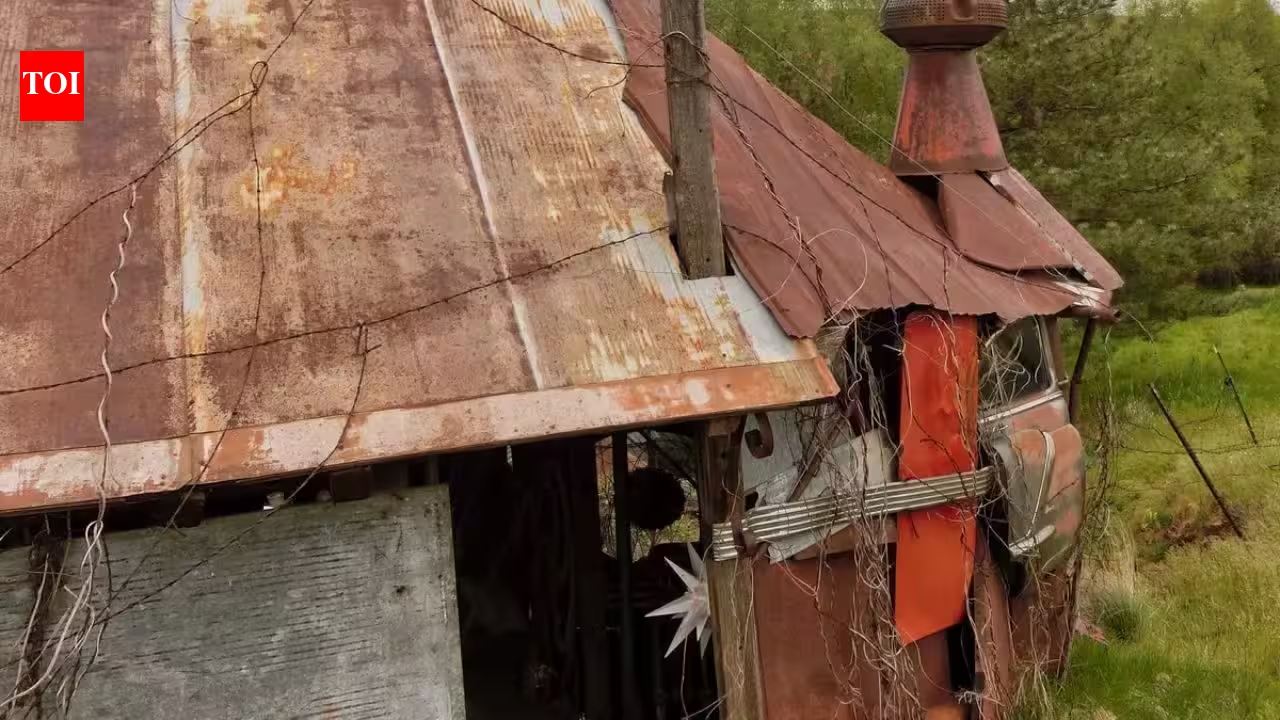
The Junk Castle in Pullman. Image Credit: Amber-Rae Orchard/FlickrA curious castle on a hillside near Pullman, Washington, was built from materials most people would have thrown away. Popularly known as the ‘Junk Castle,’ this unusual home grew from artist and teacher Victor Moore’s fascination with turning discarded objects into something new. After marrying Bobbie Moore, Victor moved into the property with her, and the couple spent years adding to and developing the strange structure. Its walls and exterior incorporated old sheet metal, household appliance parts, bedsteads, car components and other salvaged objects. Even its windows were made from glass taken from washing machine doors and old cars. What began as an art project eventually became a home that attracted curious visitors and gained a life of its own. Today, the Pullman landmark remains a striking example of how imagination can transform forgotten objects into something surprisingly memorable.Birth of the $500 Junk Castle in WashingtonThe story of the Junk Castle began with Victor Moore, a Pullman High School art teacher, writer and artist who was interested in creating things from materials that had already been used. According to Inhabitat, Moore created the castle in the late 1960s and completed it as part of his 1970 Master of Fine Arts thesis. Rather than using conventional building materials, he gathered pieces from a nearby junkyard and objects found around the property. The entire castle reportedly cost just ‘$500.’ That low price was part of what made the project so remarkable. Moore was not simply decorating an ordinary house with recycled objects. He was constructing an entire unusual structure from things that had previously served completely different purposes.‘Explore Washington State’ reports that Moore had already been experimenting with sculptures and living spaces made from discarded materials as early as the 1950s. The Junk Castle therefore grew from an interest he had developed over many years rather than appearing as a one-off experiment.Materials used to build the Junk CastleAlmost every part of the building tells a story of reuse. Inhabitat reports a collection of sheet metal, tin, washing machine parts, dryer doors, miscellaneous housings and bedsteads(the structural frame of a bed that supports the mattress and springs) incorporated into the structure. Perhaps the most unexpected item was the door from a ‘1952 Oldsmobile,’ which became part of the castle. The exterior is a mixture of old auto-body parts, reclaimed sheet metal, household appliance parts and other materials that Moore assembled in his workshop and studio. The windows were made using glass from washing machine doors and old car windows. The result was not a neat collection of matching materials. Instead, unrelated objects were brought together into one structure. Twisted metal, old machinery and vehicle parts became architectural features, giving the castle its improvised appearance. The sheer variety of materials helps explain why the building looks so different from an ordinary home.Junk Castle Detail. Image Credit: Marcus ObstHow did it become a home for Victor and Bobbie MooreThe Junk Castle was more than an artwork sitting on a hillside. It became part of the Moores' everyday life. ‘Atlas Obscura’ reports that Victor and Bobbie moved into the unusual property shortly after their marriage. Together, they spent countless hours making additions to their strange new home. Their involvement meant that the building continued to develop beyond Moore's original artistic idea. The couple's main home on the property was also made using reclaimed material. According to Inhabitat, it was constructed from old floor joists taken from a grain warehouse. That detail shows that the reuse of discarded materials was not limited to the castle itself; it was part of the way the Moores approached the property. The home and the castle therefore became closely connected to the couple's life. What began as Moore's art project eventually became a place where the two lived and worked together.Why did the strange building attract so much attentionIt was difficult for the Junk Castle to remain unnoticed. After the structure appeared on the property, it began attracting visitors who wanted to see it for themselves. Moore found numerous people arriving at his door hoping to get a look at the unusual creation. Its unique appearance was clearly part of the appeal. The castle stood on a hillside above a former rock quarry, giving it an especially distinctive setting. From the road, it looked less like a conventional residence and more like an enormous piece of outdoor artwork. Over time, the Junk Castle also became recognised beyond Pullman. Inhabitat reports that the structure has been featured in books including ‘Strange Sites,’ ‘Fantasy Worlds’ and ‘Fantastic Architecture.’ Explore Washington State describes the building as a historical landmark and notes that it has attracted visitors for more than 30 years.Backside of the Junk Castle. Image Credit: Marcus ObstWhat happened to the Junk Castle laterThe property eventually changed hands. Atlas Obscura says Victor and Bobbie Moore sold the unusual arrangement they had called home, and the property is now cared for by a new owner. Victor Moore died in late 2013, but the structure he created remains on the Pullman landscape. The Junk Castle is now on private property, so visitors cannot simply walk inside. Its lasting appeal comes from the simple idea behind it: things that looked useless did not have to stay useless. In Moore's hands, old car parts, appliances, metal and other discarded objects became walls, windows and decoration. For the Moores, the result was not merely an unusual sculpture, it was a home that turned other people's rubbish into something that continues to make people stop and look.
A newlywed Washington couple turned scrap metal and old car parts into a Junk Castle that cost them just $500
A curious castle on a hillside near Pullman, Washington, was built from materials most people would have thrown away. Popularly known as the ‘Junk Castle,’ this unusual home grew from artist and teacher Victor Moore’s fascination with turning discarded objects into something new.
926 words~4 min read